
When is the best time to visit Oaxaca?
Unveiling the Seasons of Oaxaca
Oaxaca beckons with its rich tapestry of indigenous cultures, stunning landscapes, and mouthwatering cuisine, but choosing when to visit can make all the difference in your experience. The state’s diverse geography, from misty mountains to sun-kissed beaches, means weather plays a starring role. You will find that the best time hinges on what you seek, whether it is dry, comfortable days for hiking ancient ruins or the electric energy of traditional festivals.
Generally, the dry season from October to April offers the most reliable weather, with cooler temperatures and clear skies perfect for exploring. If you crave a balance of mild weather and fewer crowds, consider the shoulder months. Locals cherish sharing their homeland year-round, and you will feel that warm invitation no matter when you arrive, as Oaxaca’s spirit shines through every season.
As you plan, think about your priorities, be it cultural immersion, outdoor adventures, or simply relaxing on the coast. Oaxaca’s climate varies by region, with the valleys milder than the highlands, but overall, it is a destination that rewards those who align their visit with its natural rhythms.
The Dry Season: October to April
From October to April, Oaxaca transforms into a traveler’s paradise with dry weather and pleasant temperatures averaging 70 to 80 degrees Fahrenheit in the day, cooling off at night. This period is ideal for wandering the cobblestone streets of Oaxaca City, visiting archaeological sites like Monte Albán, or lounging on the beaches of Puerto Escondido without the threat of afternoon showers.
You will appreciate the clarity of the skies for stargazing in the Sierra Norte or hiking to Hierve el Agua’s petrified waterfalls. November brings the mesmerizing Día de los Muertos celebrations, where altars bloom with marigolds and communities honor their ancestors, making you feel part of a profound tradition. December and January offer holiday magic with the Night of the Radishes on December 23, a whimsical event where artisans carve intricate scenes from oversized radishes.
As winter fades into spring, February to April sees wildflowers blooming and fewer tourists, allowing for more intimate experiences. Locals take pride in this season’s vibrancy, inviting you to join in markets buzzing with fresh produce and handmade crafts. If you visit during Holy Week in late March or early April, you will witness processions that blend indigenous and Catholic rituals, a testament to Oaxaca’s layered history.
Keep in mind that coastal areas like Huatulco remain balmy, with ocean waters inviting for snorkeling. This season’s predictability makes it a favorite for families and first-timers, ensuring your adventures unfold smoothly.
Shoulder Seasons: April to May and September to October
For those seeking a sweet spot between weather and affordability, the shoulder seasons of April to May and September to October deliver moderate temperatures around 75 degrees and occasional rains that keep the landscapes lush. These months offer a quieter Oaxaca, where you can snag better deals on accommodations and enjoy sites without the high-season hustle.
In April and May, the tail end of dry season lingers, perfect for exploring before the rains fully arrive. You might catch the tail of Easter festivities or dive into mezcal tastings amid blooming jacarandas. September and October bring the onset of drier days after the peak rains, with the added bonus of lower humidity on the coast.
These periods are excellent for cultural enthusiasts, as you can attend events like the Independence Day celebrations on September 16, filled with fireworks and traditional cries of freedom. Locals appreciate visitors during these times, as it supports the economy year-round, and you will find guides more available for personalized tours of weaving villages or chocolate factories.
Be prepared for sporadic showers, but they often pass quickly, leaving refreshed air and vibrant greens. This balance makes shoulder seasons ideal for photographers capturing Oaxaca’s dramatic scenery.
The Rainy Season: May to September
May to September marks Oaxaca’s rainy season, with afternoon downpours nourishing the earth and creating a verdant backdrop. Temperatures hover in the 80s, with higher humidity, but mornings are typically clear, giving you ample time for activities before the clouds gather.
While some might shy away, this time offers unique charms, like fewer crowds at popular spots and lower prices. You can hike through misty cloud forests or surf world-class waves in Puerto Escondido, where the rains bring bigger swells. Inland, the valleys turn emerald, enhancing visits to artisan communities.
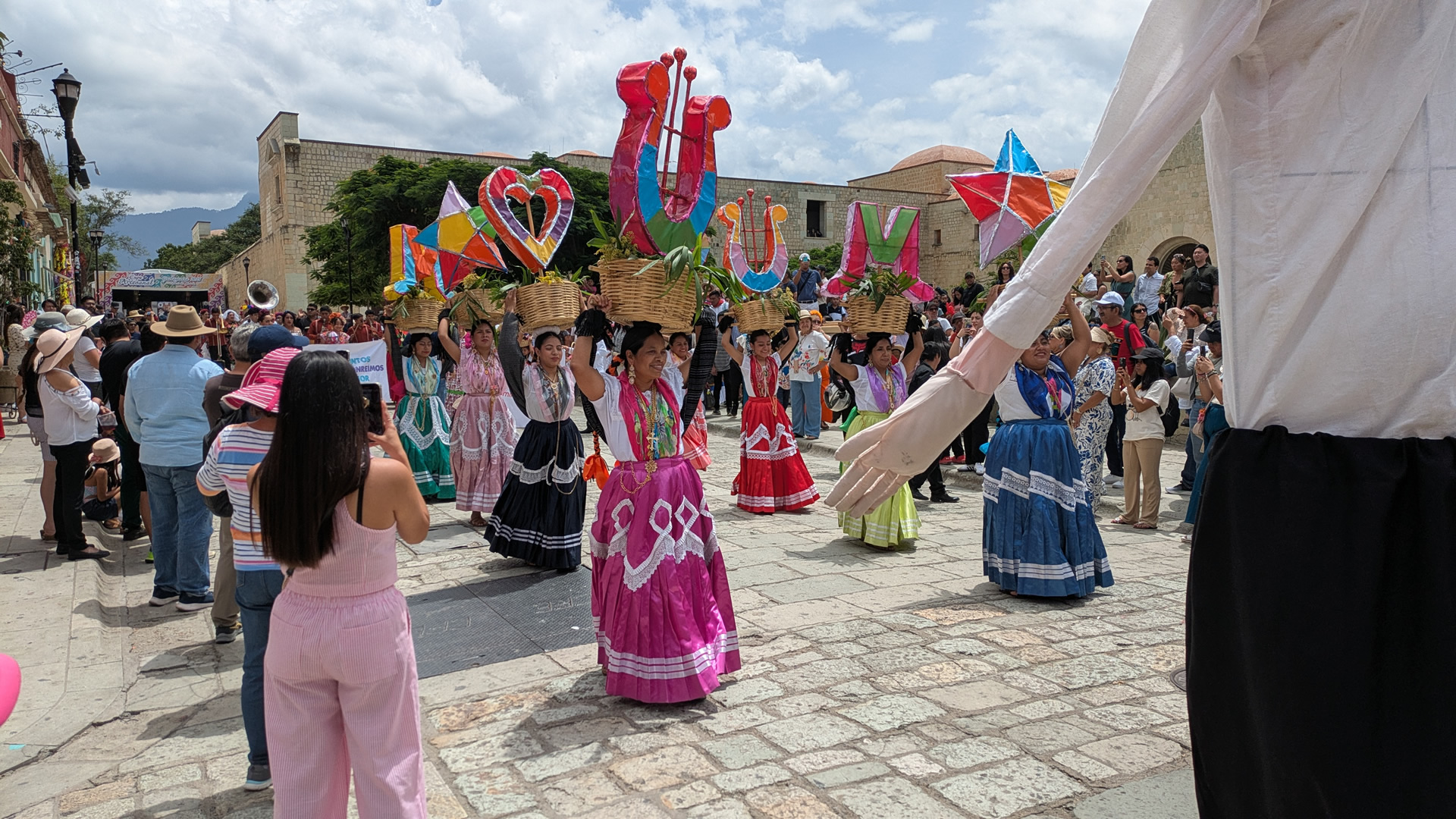
July stands out with the Guelaguetza festival on July 21 and 28 in 2025, a spectacular showcase of indigenous dances and music on the Cerro del Fortín hill. Despite potential rain, the energy is infectious, and locals beam with pride as they share their heritage. August brings mushroom festivals in the Sierra, where foragers lead tours to discover edible treasures.
If you are adventurous, embrace the season’s rhythm, packing a light rain jacket and enjoying indoor pursuits like cooking classes during showers. The rains also mean fuller waterfalls and rivers, ideal for eco-tours.
Festival Highlights Throughout the Year
Oaxaca’s calendar bursts with festivals that highlight its indigenous roots and colonial influences, making any visit memorable. Plan around these to dive deeper into the culture. Día de los Muertos from October 31 to November 2 draws global visitors with candlelit cemeteries and elaborate altars, a time when families welcome spirits home.
The Guelaguetza in July celebrates Oaxaca’s eight regions through dance, music, and crafts, a UNESCO-recognized event that fosters unity. December’s Night of the Radishes on the 23rd features creative carvings in the zócalo, followed by Christmas posadas and piñatas.
In January, the Fiesta Grande de Enero honors patron saints with processions and fairs. Holy Week in April brings solemn reenactments, while September’s Independence celebrations light up the night. For 2025, look out for the Oaxaca 2025 Gathering, blending wellness and culture.
These events not only entertain but connect you to the community’s heart, where traditions thrive and evolve.
Practical Considerations: Crowds, Costs, and Weather
High season from November to April sees peak crowds and prices, especially during holidays, so book early for flights and hotels. Shoulder seasons offer savings and space, while rainy months provide the best bargains but require flexibility with weather.
Coastal areas like Mazunte stay warmer year-round, but watch for hurricane season from June to November. Always check forecasts, and consider altitude, as highlands can be chilly even in summer. You will find that packing layers ensures comfort across regions.
Sustainability matters; visit during off-peak to ease pressure on resources. Locals encourage respectful tourism, and your choices support their livelihoods.
Recent Developments and Tips for 2025
As of 2025, Oaxaca’s coast is emerging as a breakout region, with new eco-resorts and community-led tours emphasizing conservation. The dry season remains prime for these areas, with calmer seas from November to April.
For festivals, Guelaguetza tickets go on sale early, so plan ahead. New events like mushroom festivals in August highlight seasonal bounty. If traveling in summer, opt for early mornings to beat the heat and rains.
Stay hydrated, use sun protection, and embrace spontaneity. Whether you come for the festivals or the serenity, Oaxaca will leave you inspired and eager to return.
