
Cochinita Pibil: It’s History, Cultural Significance and the Recipe
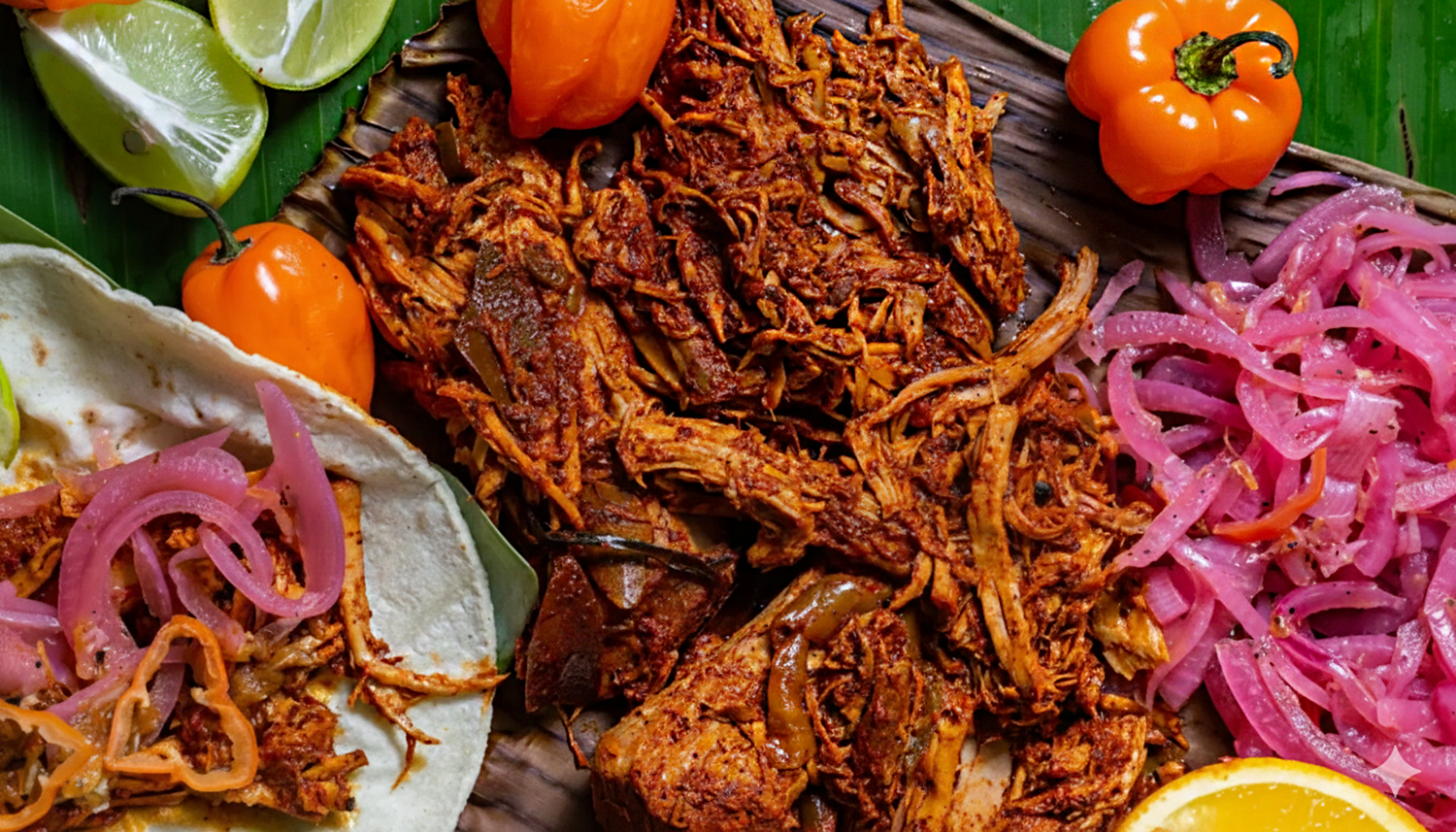
Unveiling the Essence of Cochinita Pibil
Imagine the aroma of slow roasted pork mingling with the tangy zest of bitter orange and the earthy spice of achiote wafting through a Yucatecan kitchen. Cochinita pibil this iconic dish invites you to dive into the heart of Mexican cuisine where ancient traditions meet bold flavors. As you explore its layers you connect with the vibrant culture of the Yucatán Peninsula feeling the pride locals hold for this culinary gem.
More than just a meal cochinita pibil embodies resilience and fusion a testament to the Mayans ingenuity and the evolutions brought by time. Whether tucked into warm tortillas or savored in a torta it draws you into a world of communal feasts and heartfelt gatherings making you eager to taste and share its story.
Ancient Mayan Roots
The story of cochinita pibil begins deep in the Mayan world where the pib an underground oven transformed simple ingredients into feasts. Long before European arrival the Maya slow cooked wild game like deer turkey or peccary wrapped in banana leaves and buried in pits heated by hot stones. This method not only tenderized the meat but infused it with smoky earthy notes that defined their cuisine.
Achiote from annatto seeds provided the vivid red color and subtle flavor while herbs and chiles added depth. You can picture ancient communities gathering around these pits preparing meals for rituals and daily life honoring the land and their ancestors. This practice rooted in survival and spirituality laid the foundation for what locals cherish today as a link to their heritage.
Colonial Influences and Evolution
With the Spanish arrival in the sixteenth century cochinita pibil evolved embracing new elements while preserving its core. Pigs introduced by the conquerors replaced wild game offering tender meat that suited the pib perfectly. Bitter oranges brought from afar added a tangy acidity balancing the richness and creating the marinade we know today.
This fusion birthed the modern dish cochinita meaning little pig in Spanish and pibil from the Mayan for buried. Over centuries it spread across Yucatán adapting to local tastes and becoming a staple. You will appreciate how this blend reflects Mexicos mestizo identity where indigenous wisdom meets global influences fostering a dish that unites generations.
Cultural Heart of Yucatán
In Yucatán cochinita pibil pulses as the regions culinary soul served at markets street stands and family tables. It graces celebrations like Hanal Pixán the Mayan Day of the Dead where offerings honor the departed symbolizing lifes cycle. Locals beam with pride sharing it during fiestas weddings and Sundays embodying community and hospitality.
Beyond food it preserves traditions in backyard pits and recipes passed down evoking ancestral connections. As you taste it wrapped in tortillas with pickled onions and habanero you join a lineage of flavors that tell stories of resilience and joy inviting you to Yucatáns warm embrace.
Preparing Your Own Cochinita Pibil
Bring Yucatán’s magic to your kitchen with this authentic recipe for cochinita pibil. <7p>
Ingredients (serves 6–8)
- 2 large banana leaves
- 50 g achiote paste
- 2 cups (480 ml) bitter orange juice (or substitute: 1½ cups orange juice + ½ cup lime juice + 2 tbsp white vinegar)
- ½ teaspoon freshly ground black pepper
- 2 cloves garlic
- 1–2 whole allspice berries (or ⅛ tsp ground allspice)
- ¼ teaspoon whole cumin seeds (or ⅛ tsp ground cumin)
- 1 teaspoon dried Mexican oregano
- 2 teaspoons sea salt (adjust to taste)
- 3 lb (1.4 kg) boneless pork shoulder (or pork butt), cut into 2½-inch cubes
- ¼ cup (60 g) pork lard or vegetable oil
- 1 medium red onion, thinly sliced (optional, for extra flavor inside the packet)
For serving
- Warm corn tortillas
- Pickled red onions (cebolla morada encurtida)
- Refried black beans
- Fresh or pickled habanero chiles
In a blender, combine the achiote paste, bitter orange juice (or substitute), black pepper, garlic, allspice, cumin, oregano, and salt. Blend until completely smooth. Place the pork cubes in a large bowl or zip bag, pour the marinade over, and mix well. Cover and refrigerate for at least 2 hours, preferably overnight.
Preheat your oven to 350 °F (175 °C). Remove the pork from the marinade (reserve the marinade). Lay the meat in the center of the banana leaves, drizzle with the lard, scatter the optional sliced onion on top, and pour the reserved marinade over everything. Fold the banana leaves over to completely enclose the pork, then cover tightly with foil (or a lid) to seal in the steam.
Bake for 2½ to 3 hours, until the pork is fall-apart tender. Remove from the oven, let rest 15 minutes, then shred the meat with two forks, mixing it well with the juices. Serve hot with warm tortillas, plenty of pickled red onions, refried beans, and fiery habanero chiles on the side.
You will feel the pride of creating a dish that honors centuries of Yucatecan tradition — and your guests will keep coming back for more.
Experiencing Cochinita Pibil Today
Today cochinita pibil thrives not only in the Yucatán but all over Mexico, from bustling markets to fine restaurants drawing travelers like you to its authentic roots. Modern twists might appear in fusion cuisine but the essence remains the slow roast and bold marinade.
Whether at a festival or home you will discover its power to connect people celebrating lifes flavors. Locals invite you to savor it slowly letting each bite whisper tales of the past and present.
