
Where can you try authentic mezcal in Oaxaca?
The Cultural Heart of the Agave Spirit
For travelers arriving in Oaxaca, the scent of roasting agave and the sight of small tasting rooms tucked into colonial corners are constant reminders of the region’s deep connection to mezcal. This spirit is much more than a simple beverage; it is a cultural symbol and a living history of the Zapotec soil. Understanding where to find truly authentic mezcal requires moving beyond the bright labels of tourist shops and seeking out the small-batch producers who maintain the traditions of their ancestors. In Oaxaca, the search for quality is often an educational journey that begins in the city’s specialized mezcalerías and ends in the rural palenques (distilleries) of the surrounding valleys.
To fully appreciate the spirit, one must first learn to decode the labels. Authenticity in the mezcal world is defined by the integrity of the process. Look specifically for bottles labeled as Artesanal or Ancestral. These categories prohibit the use of industrialized equipment such as autoclaves or column stills. Authentic mezcal should be 100 percent agave and typically carries an alcohol content of 45 percent or higher. Lower percentages often suggest significant dilution, which can mask the complex mineral and vegetal notes of the plant. Always look for the name of the Maestro Mezcalero (master producer) and the specific community of origin on the label, as this transparency ensures accountability and quality.
Essential Mezcalerías in Oaxaca City
Oaxaca City serves as the perfect classroom for those looking to begin their mezcal education. For a structured and academic approach, La Mezcaloteca is an essential starting point. This library-style tasting room requires a reservation and focuses on regional biodiversity. Their expert hosts guide you through the differences in agave species, such as the honey-noted Tobalá or the intense, mineral-heavy Tepeztate. The experience is intimate and seated, allowing you to focus entirely on the nuances of the small-batch distillations that are rarely exported outside of Mexico.
Another legendary destination is In Situ Mezcalería, founded by renowned author Ulises Torrentera. This space is pared-back and unadorned, reflecting a philosophy that nothing should interfere with the flavor of the spirit. They boast one of the largest collections of traditional mezcal in the country. Each pour is often accompanied by an educational card detailing the agave type and the specific distillation method used. For those seeking a more specialized dive, Quiote Mezcalería in the historic Barrio de Xochimilco offers unique classes such as Mezcal Science. These sessions explore the chemistry and cultural aspects of different expressions, providing a deeper understanding of the liquid’s complexity.
For a more hidden, speakeasy-style vibe, Sobrio by Mezcal Speakeasy is highly recommended by local experts and frequent visitors. Located in the Centro district, it offers a personalized interaction where the owners share their extensive knowledge of history and production. If you are looking for rare agave varieties and a focus on supporting specific local producers, Expendio Cuish is a vital stop. They excel at empowering master mezcaleros to produce one-of-a-kind spirits that embody the specific practices of their home villages. These city-based venues are ideal for tasting a wide variety of styles before deciding which bottles to bring home.
Journeying to the Source: The Palenques
While city tasting rooms are convenient, the true soul of mezcal is found in the rural palenques of the Oaxaca Valley. A visit to the village of Santa Catarina Minas is a highlight for many enthusiasts, as it is considered the birthplace of ancestral mezcal. Here, producers still use the ancient method of clay-pot distillation rather than copper stills. This technique creates a spirit with a softer, rounder mouthfeel and distinct earthy mineral tones. Lalocura, run by Eduardo Angeles, and Real Minero, a multi-generational family operation, are world-renowned for their commitment to these traditional methods. Reservations are typically required for these immersive tours, which often include walks through the agave fields.
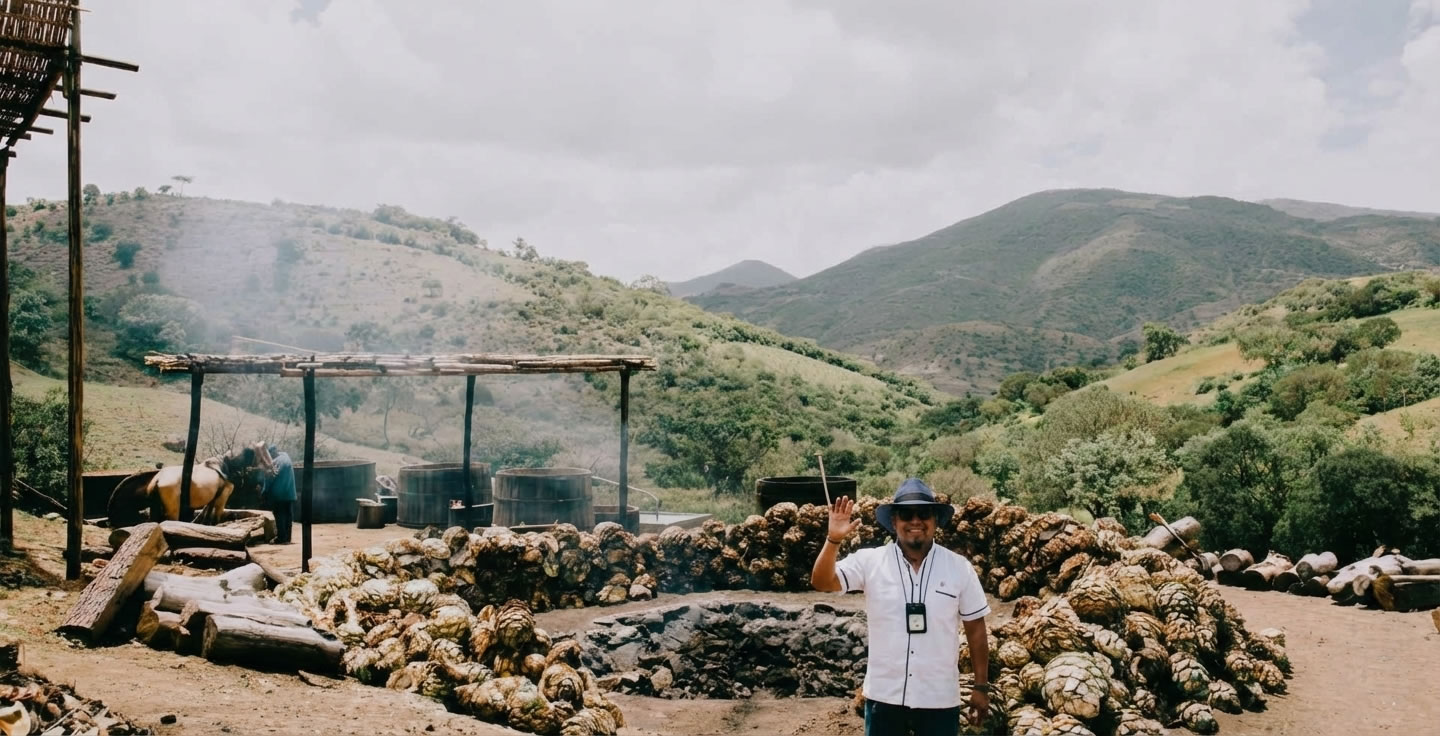
Santiago Matatlán, often dubbed the world capital of mezcal, is another essential destination. Located less than an hour from the city, it is home to a high concentration of distilleries. While it is more tourist-centric, it still houses reputable producers such as Gracias a Dios, which focuses on sustainability and artisanal quality. When choosing distilleries, Gmex recommends going to and supporting the smaller family-owned ones who still honor the traditional mezcal making process that bigger and more well-known distilleries often lose. Exploring these rural distilleries allows you to witness the entire process, from the underground roasting pits to the stone tahona wheels pulled by horses. Buying directly from the Maestro Mezcalero at a smaller palenque often ensures the best price and supports the producer directly without middlemen.
Purchasing and Exporting Your Selection
When you are ready to purchase bottles to take home, Oaxaca City offers specialized retail venues with curated selections. Mis Mezcales is consistently recommended for high-end, truly artisanal bottles that are often difficult to find anywhere else. Another excellent option is the Union de Palenqueros, a unique space created by a collective of producers from Santiago Matatlán. This venue allows visitors to buy small-batch spirits directly from home-based producers at competitive price points. It is a fantastic way to support the local economy while ensuring you are bringing home a high-quality product.
Before you buy, be aware of the international regulations for traveling with alcohol. While you can find excellent mezcal sold in plastic containers or unsealed jars at local markets, unsealed alcohol is strictly prohibited for international air travel. Ensure that any mezcal you intend to export is legally bottled, sealed, and labeled. Some specialized shops offer a service to re-bottle and seal your purchases to comply with these regulations. Always remember to taste mezcal by taking small sips, often called kisses, and avoid mixing it with salt or orange if you want to experience the pure profile of the agave.
