
What do alebrijes represent in places like Arrazola and San Martín Tilcajete?
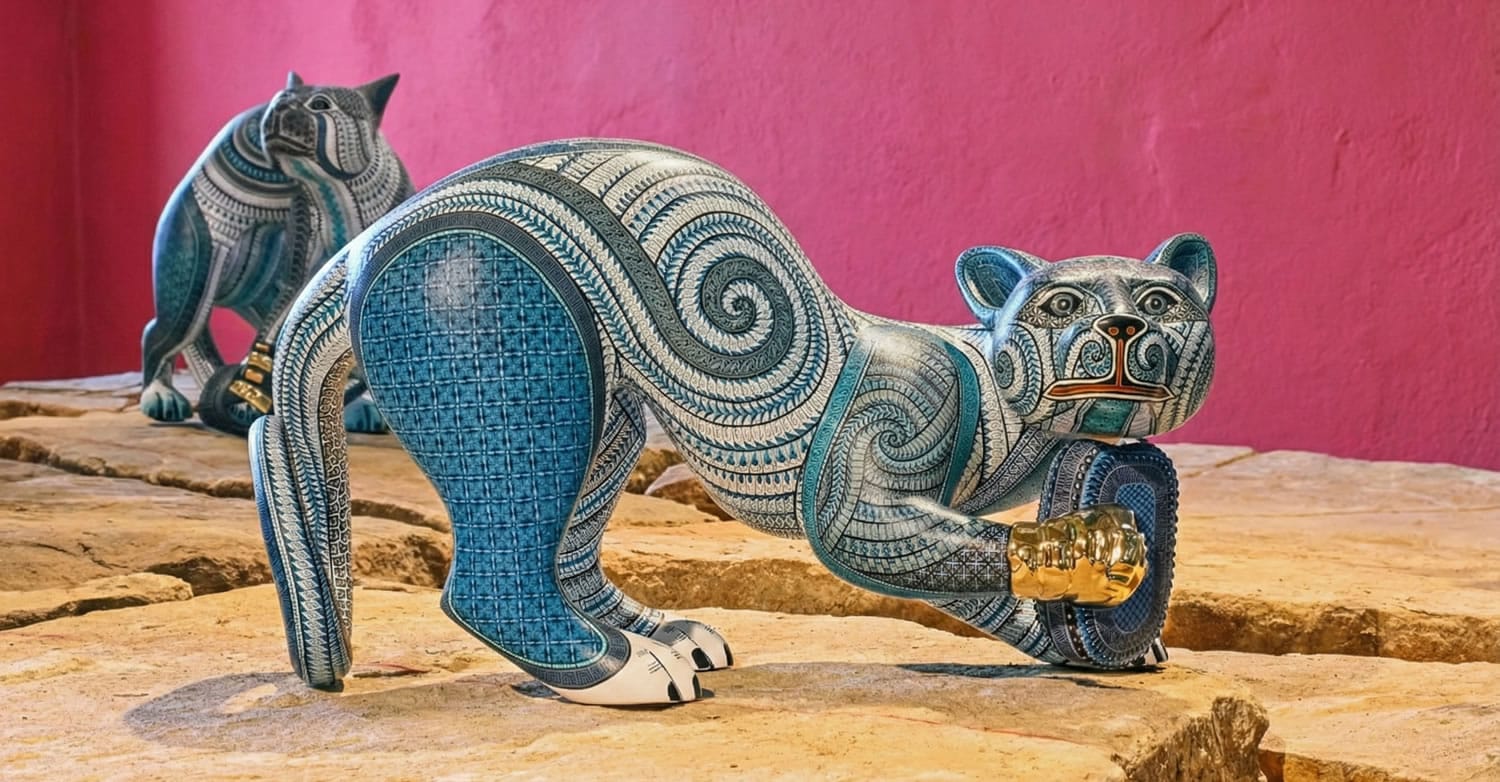
In the heart of Oaxaca's valleys, villages like San Antonio Arrazola and San Martín Tilcajete pulse with creativity, where artisans transform simple wood into vibrant, fantastical creatures known as alebrijes. These sculptures, blending real and mythical animals, captivate visitors with their bold colors and intricate designs. More than mere art, alebrijes embody a deep cultural heritage, serving as symbols of imagination, spirit guides, and community identity.
For travelers exploring Oaxaca, understanding alebrijes offers a window into the region's Zapotec roots and artistic evolution. This guide delves into their origins, symbolic meanings, and the reasons these specific villages have become renowned for this craft. Join us in appreciating the warmth and ingenuity behind these enchanting figures.
Whether you're wandering the workshops or admiring a piece at home, alebrijes invite you to connect with Oaxaca's living traditions, where every carve and color tells a story of resilience and joy.
The Origins of Alebrijes: From Dream to Craft
The story of alebrijes begins in Mexico City in the 1930s with artisan Pedro Linares. Stricken with illness, Linares experienced a vivid fever dream filled with bizarre creatures—part donkey with butterfly wings, part rooster with bull horns—chanting the nonsensical word "alebrijes." Upon recovery, he recreated these visions using papier-mâché, giving birth to a new folk art form.
By the 1960s, the craft evolved in Oaxaca when Manuel Jiménez, a woodcarver from Arrazola, adapted Linares' designs to local copal wood. This shift blended urban imagination with rural Zapotec carving traditions, spreading to nearby San Martín Tilcajete. Today, alebrijes are hand-carved from copal, dried, sanded, and painted with natural or acrylic pigments, each piece unique to its creator.
This adaptation not only preserved the dreamlike essence but also tied alebrijes to Oaxaca's indigenous heritage, making them a symbol of cultural fusion and artistic innovation.
The Lore Behind Alebrijes: Spirit Guides and Symbolism
Rooted in Zapotec beliefs, alebrijes often represent tonas or nahuales—animal spirit guides assigned at birth to protect and reflect one's personality. These beings, blending multiple animals, embody a person's strengths and traits, serving as companions in life's journey.
Specific animals carry distinct meanings: the coyote symbolizes tenacity and cunning, the armadillo represents strength and protection, the cat embodies independence, and the dog signifies loyalty. Mythical elements like dragons convey passion, while birds might denote freedom or beautiful expression. Colors add layers—green for empathy and nature, pink for love, yellow for joy, and orange for emotional release.
In Oaxacan lore, alebrijes connect the physical and spiritual worlds, drawing from ancient shapeshifting legends. They remind us of the interconnectedness of humans, animals, and the cosmos, fostering a sense of wonder and self-reflection.
Why Arrazola and San Martín Tilcajete?
San Antonio Arrazola, nestled near Monte Albán, became the birthplace of wooden alebrijes thanks to Manuel Jiménez. In the 1940s, Jiménez began carving animals for markets, later incorporating Linares' fantastical style. His innovations turned Arrazola into a hub, where families now sustain the craft amid the village's scenic hills.
San Martín Tilcajete, with its abundant copal trees and history of mask-making for festivals, adopted alebrijes in the 1980s. Today, over 80% of residents create these sculptures, blending traditional techniques with vibrant patterns. The town's accessibility and community focus make it a prime destination for witnessing the art in action.
Both villages thrive on this craft due to natural resources, cultural continuity, and economic necessity, preserving Zapotec identity while welcoming global visitors.
The Craftsmanship Process: From Wood to Wonder
Creating an alebrije starts with harvesting copal wood, sustainably sourced to protect Oaxaca's forests. Artisans carve the soft wood into shapes inspired by branches, often dictating the final form—twisting limbs for dragons or lizards.
After drying and sanding, pieces receive base coats before intricate painting with fine brushes. Patterns draw from Zapotec symbols: snakes for power, butterflies for happiness, snails for contribution. This labor-intensive process, often a family affair, reflects generations of skill and storytelling.
Visiting workshops in Arrazola or Tilcajete allows you to see this magic unfold, fostering appreciation for the dedication behind each piece.
Experiencing Alebrijes in Oaxaca
To truly grasp alebrijes' significance, visit during festivals like Tilcajete's Feria del Alebrije, where parades and demonstrations celebrate the craft. Join workshops to paint your own, connecting personally with the tradition.
When purchasing, seek authentic pieces signed by artisans, supporting local economies. Remember, alebrijes are more than souvenirs—they're emblems of Oaxaca's vibrant spirit, inviting you to embrace creativity and cultural depth.
As you explore these villages, let the alebrijes' whimsy inspire your own journey through Oaxaca's enchanting landscapes.
