
The Beauty and History of the Palacio de Bellas Artes in Mexico
A Rich History Spanning a Century
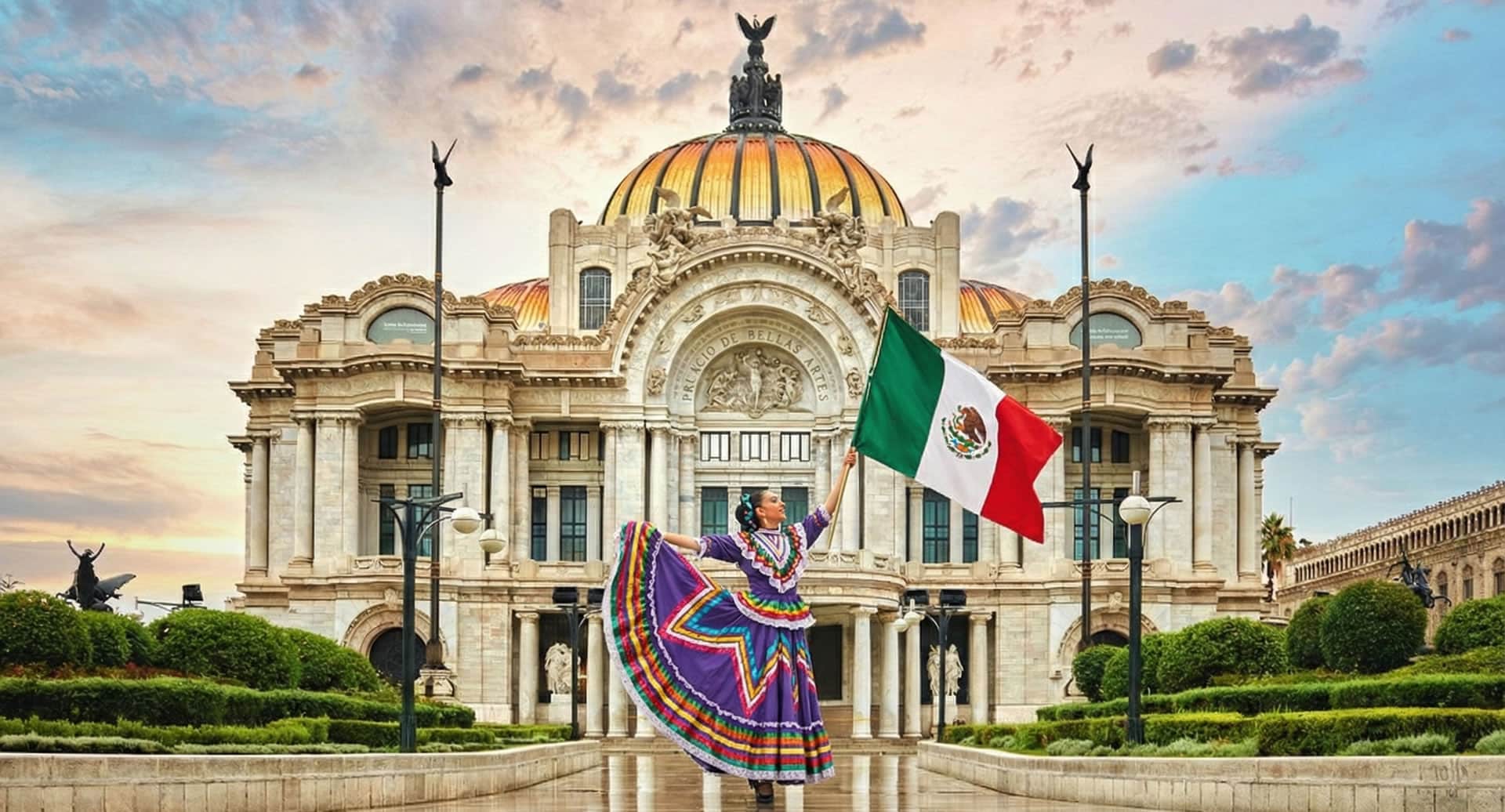
The Palacio de Bellas Artes stands as one of Mexico City’s most cherished cultural landmarks. Its story begins in the early 20th century under President Porfirio Díaz, who envisioned a grand national theater to celebrate the centennial of Mexico’s independence. Construction started in 1904 with Italian architect Adamo Boari leading the initial design in an elegant European style.
The Mexican Revolution brought work to a halt, leaving the building incomplete for decades. It was not until the 1920s that efforts resumed under Mexican architect Federico Mariscal, who adapted the interior. The Palacio finally opened its doors in 1934, becoming a symbol of resilience and national pride.
Over the years, the soft soil of the former lakebed has caused the structure to sink several meters, adding a unique chapter to its legacy. Today, it serves as a vibrant hub managed by the Instituto Nacional de Bellas Artes y Literatura. It welcomes visitors from around the world to experience Mexico’s artistic heritage in a setting that reflects both historical challenges and triumphs.
Architectural Splendor Blending Two Eras
The Palacio de Bellas Artes captivates with its harmonious blend of architectural styles. The exterior showcases elegant Art Nouveau elements designed by Boari, featuring marble facades, intricate sculptures, and graceful lines that reflect European influences popular during the Porfirian era. Stone carvings and decorative details adorn the white marble structure, creating an inviting presence in the city center.
In contrast, the interior embraces Art Deco aesthetics introduced by Mariscal, with bold geometric patterns, luxurious materials, and modern flair. Crystal chandeliers and ornate details throughout the building enhance the sense of grandeur. This fusion of styles makes the Palacio not only a functional venue but also a living work of art that reflects Mexico’s evolving identity in the early 20th century.
Visitors often pause to appreciate the transition between exterior elegance and interior modernity. The design choices highlight the transition from Porfirian opulence to post-revolutionary Mexican modernism. Exploring the spaces reveals thoughtful adaptations that honor both international influences and local pride.
The Iconic Tiffany Glass Curtain
One of the interior highlights is the stunning Tiffany glass curtain, a masterpiece created by Louis Comfort Tiffany. It depicts the Valley of Mexico with volcanoes Popocatépetl and Iztaccíhuatl in the background. Suspended above the main stage, it creates a breathtaking visual effect when illuminated during performances.
The curtain weighs nearly a ton and consists of almost a million pieces of iridescent glass. It was shipped from New York and installed as a symbol of technological achievement at the time. Audiences often arrive early to admire its intricate details before shows begin.
This feature adds a layer of wonder to the Palacio experience. It connects visitors to both artistic craftsmanship and the natural landscapes that define Mexico. The curtain remains one of the most photographed elements inside the building.
Iconic Murals and Artistic Treasures
The second and third floors house some of Mexico’s most famous murals, painted by legendary artists of the Mexican muralist movement. Diego Rivera’s “Man, Controller of the Universe” dominates with its vivid colors and powerful social commentary. Originally commissioned for Rockefeller Center but recreated here after controversy, it remains a centerpiece that draws crowds eager to explore its intricate details.
Other notable works include pieces by José Clemente Orozco, David Alfaro Siqueiros, Rufino Tamayo, and Jorge González Camarena. These large-scale murals capture themes of revolution, identity, industry, and indigenous heritage, offering profound insights into Mexico’s past and present. The Museo del Palacio de Bellas Artes also features rotating exhibitions alongside its permanent collection.
Wandering these halls allows travelers to connect deeply with Mexican history through the eyes of its greatest artists. Each mural tells stories of social change and cultural pride. Spending time studying the works rewards visitors with a richer understanding of the nation’s artistic legacy.
Performances and Live Arts
Beyond the visual arts, the Palacio serves as a premier venue for performing arts. The Ballet Folklórico de México de Amalia Hernández presents colorful dances that celebrate regional traditions from across the country. Founded in 1952, the company features vibrant costumes, lively music, and choreography that highlight indigenous and folk elements.
Performances take place regularly in the main theater, drawing both locals and international visitors. Opera, symphony concerts, and contemporary dance also appear on the schedule throughout the year. The acoustics and elegant setting enhance every show.
Attending a performance adds another dimension to your visit. The energy of live music and dance brings the building to life in a unique way. Check current schedules to align your trip with these cultural events.
Planning Your Visit and Nearby Experiences
The Palacio de Bellas Artes is located in the bustling Centro Histórico, adjacent to the beautiful Alameda Central park. This makes it easy to combine with a leisurely stroll or people-watching. The museum portion welcomes visitors during standard daytime hours, typically Tuesday through Sunday. A modest entry fee applies, with occasional free access on Sundays for certain visitors.
Performance tickets, including the renowned Ballet Folklórico de México, are available separately through the box office or online platforms. Consider timing your visit to catch a live performance or guided tour if available. Comfortable shoes are recommended for exploring the multi-level building, and photography policies vary by area.
The surrounding neighborhood offers excellent dining options and proximity to other landmarks like the Zócalo and historic churches. You can easily reach the Palacio via Metro Bellas Artes station or by walking from nearby sites. The area is well-connected and safe for daytime exploration.
Whether you spend an hour admiring the murals or a full afternoon enjoying a show, the Palacio provides an enriching experience that highlights Mexico’s enduring commitment to the arts. Plan ahead by checking the official website for current schedules and events to make the most of your time. This landmark offers a memorable introduction to Mexican culture in a beautiful setting.
