
The 10 Must-Try Traditional Foods in Oaxaca
A taste of Oaxaca’s culinary soul
Oaxaca is often called the culinary heart of Mexico. The region brings together indigenous traditions, local ingredients, and family recipes that have been passed down for generations. In markets and neighborhood kitchens you find dishes that look simple but deliver deep, layered flavors. Eating in Oaxaca is not only about feeling full, it is also a way to understand the culture, the land, and the families who live here.
This guide highlights ten traditional Oaxacan foods that every visitor should try at least once. From complex moles to humble corn based snacks, each dish tells part of the story of this region. You will see hints of markets, family run fondas, weekend street stalls, and celebrations, so you can recognize these foods in the wild and enjoy them the way locals do.
1. Mole negro
Mole negro is the star of Oaxacan cuisine. It is a dark, silky sauce made from dried chiles, nuts, seeds, spices, a little fruit, and a touch of chocolate, all toasted and ground into a smooth paste. The flavor is layered and complex, slightly sweet but also smoky and earthy. Mole negro is usually served over chicken or turkey with rice and warm tortillas, often as the main dish for celebrations and long Sunday family meals in the Central Valleys.
2. Tlayudas
Tlayudas are often described as Oaxacan style pizzas. A very large, thin corn tortilla is dried just enough to become firm and then finished over a charcoal grill until it is crisp at the edges and slightly chewy in the center. It is spread with refried black beans and asiento, a rich pork fat, then topped with shredded cabbage or lettuce, slices of tomato and avocado, and generous strips of stringy quesillo cheese. Most tlayudas also include grilled meat such as tasajo, cecina, or chorizo, although you can ask for a vegetarian version with extra cheese and vegetables.
3. Tamales de mole in banana leaves
In Oaxaca you see many kinds of tamales, but the most characteristic are tamales de mole wrapped in banana leaves. For these, a layer of soft, well seasoned masa is spread on a piece of banana leaf and filled with chicken and a spoonful of thick mole, often mole negro or another local mole. The leaf is folded into a neat parcel and steamed until the masa sets and absorbs the flavor of the sauce and the leaf. Tamales de mole are typically a breakfast or evening food and are sold warm from insulated containers and baskets that vendors carry through the streets and markets.
4. Chapulines
Chapulines are toasted grasshoppers and they are one of Oaxaca’s most famous snacks. They are usually seasoned with chile, garlic, and lime, which gives them a bright flavor along with a pleasant crunch. Many visitors hesitate at first, but chapulines have been part of the local diet since pre Hispanic times and are still enjoyed by people of all ages. You can eat them on their own like nuts, sprinkle them over guacamole, or add a few to a tlayuda for extra texture and flavor during an evening meal.
5. Memelas
Memelas are thick, oval shaped corn cakes made from freshly ground masa. They are pressed by hand, cooked on a clay comal, and then topped while still hot. A classic memela is spread with asiento and black beans and finished with crumbled queso fresco or a handful of shredded quesillo and a spoonful of salsa made that same morning. Some stands also offer memelas with toppings like chorizo, mushrooms, squash blossoms, or eggs, turning this simple base into a complete breakfast or light lunch with very little effort or cost.
6. Barbacoa de borrego
Barbacoa de borrego is slow cooked lamb that is especially popular on weekends and market days. Traditionally the meat is marinated, wrapped in maguey leaves, and cooked overnight in a pit oven dug into the earth. As it cooks, the juices drip down into a pot to create a rich broth called consome. In the morning the meat is shredded and served in tacos or in bowls of consome with fresh tortillas, cilantro, onion, and lime on the side. Families often share large platters of barbacoa as they talk and shop in the valley town markets that surround Oaxaca City.
7. Empanadas de amarillo
Empanadas de amarillo are another Oaxacan favorite made on the comal. They start as a large, thin tortilla that is filled with shredded chicken and mole amarillo, a bright yellow sauce made from chiles, tomato, and spices. A fresh leaf of epazote is often added for fragrance before the tortilla is folded over and toasted until the edges crisp and the filling bubbles gently inside. You often find empanadas de amarillo in evening street stalls or in small market kitchens that specialize in antojitos, the little cravings that locals satisfy between meals with a hot snack and a cup of atole or coffee.
8. Caldo de piedra
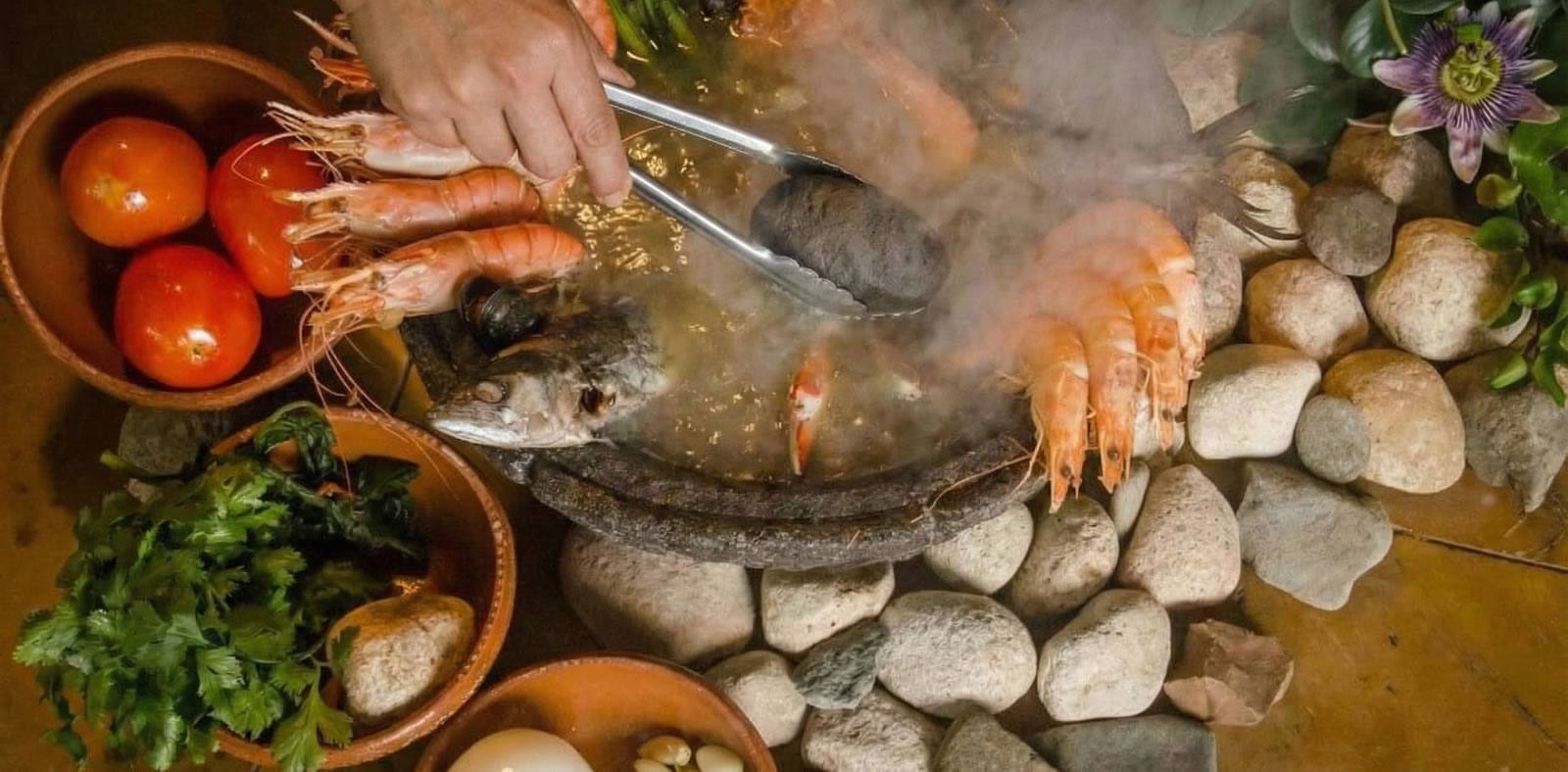
Caldo de piedra, or stone soup, is a dish with deep roots in indigenous communities in Oaxaca. Traditionally it is prepared by placing raw fish, tomato, onion, chili, and herbs into a bowl, then adding river stones that have been heated in a fire until they are extremely hot. When the stones touch the liquid, the broth begins to boil and the ingredients cook right at the table, turning the meal into a small ceremony. Modern versions served near the city keep this presentation so guests can watch the soup come to life and then enjoy a clean, comforting broth that feels closely tied to the rivers and land of the region.
9. Higadito
Higadito is a light but nourishing soup that many Oaxacans associate with family gatherings and celebrations. It is made by simmering chicken in a simple broth with tomato, onion, and mild chili, then adding beaten eggs and finely chopped meat so that they form soft strands and small pieces throughout the soup. The texture is delicate and the flavor is gentle. Higadito is often served in the morning after important events such as weddings or community fiestas, when guests want something restoring but not too heavy after a long night of dancing and visiting with relatives and friends.
10. Enchiladas de coloradito
Enchiladas de coloradito are tortillas dipped in a smooth red mole sauce called coloradito. The tortillas are quickly passed through hot oil, then coated in the mole and filled with shredded chicken or fresh cheese before being folded or rolled on the plate. On top they are often finished with more sauce, a sprinkle of queso fresco, sliced onion, and sometimes a spoonful of cream. This dish is common in home kitchens and in modest restaurants that serve comida corrida, the daily set lunch, and it is a satisfying way to taste another style of mole without committing to a very heavy portion of meat and sauce.
