
What are the top 10 attractions in Chiapas?
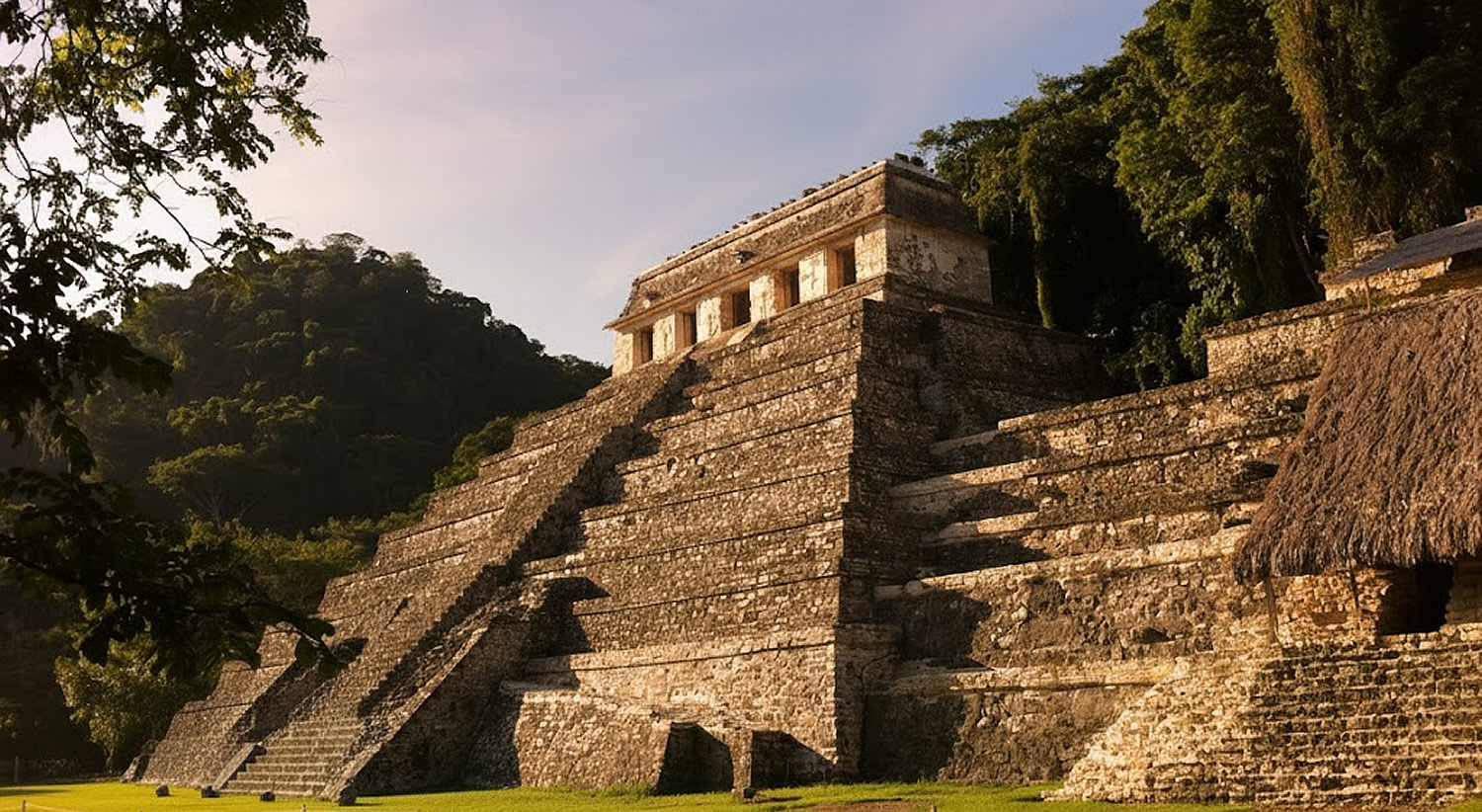
Nestled in the southern reaches of Mexico, Chiapas shares a profound cultural thread with neighboring Oaxaca, where ancient Zapotec and Mixtec influences at Monte Albán mirror the Mayan mysteries of this border state. Here, profound mystery and natural splendor unfold, with ancient Mayan civilizations leaving their indelible mark amid lush jungles, cascading waterfalls, and vibrant indigenous communities. This state, bordering Guatemala, offers a tapestry of cultural heritage, archaeological wonders, and breathtaking landscapes that invite travelers to explore with respect and curiosity. Unlike the sun-drenched beaches of the Yucatán, Chiapas captivates with its misty highlands, river canyons, and sacred sites that echo stories of cosmic alignments and spiritual rituals, much like the astronomical observatories of Monte Albán. Whether you are drawn to the echoes of history or the raw power of nature, these top attractions define this enchanting region, curated for the mindful explorer seeking depth and immersion, perhaps after a journey through Oaxaca’s own timeless sites.
1. Palenque Archaeological Site
Step into the heart of the ancient Mayan world at Palenque, a UNESCO World Heritage site shrouded in dense rainforest. This former city-state, thriving between 226 BC and 799 AD, features intricately carved temples and palaces that reveal tales of royal dynasties and celestial observations, reminiscent of the carved stelae at Monte Albán. Marvel at the Temple of the Inscriptions, where the tomb of King Pakal was discovered, complete with a jade mask and elaborate sarcophagus lid depicting his journey to the underworld. As you wander the plazas and pyramids, feel the humidity of the jungle and hear the calls of howler monkeys, immersing yourself in a place where architecture harmonizes with nature. For those familiar with Oaxaca’s hilltop citadel, Palenque offers a deeper dive into lowland Mayan grandeur, connecting southern Mexico’s shared indigenous narratives.
2. Cañón del Sumidero National Park
Embark on a dramatic boat journey through the Sumidero Canyon, where sheer cliffs rise up to 1,000 meters above the Grijalva River, carving a path through landscapes that parallel the dramatic gorges near Oaxaca’s Sierra Norte. Formed over millions of years by tectonic forces and erosion, this natural wonder is home to diverse wildlife, including crocodiles basking on the shores and spider monkeys swinging through the canopy. Spot the Christmas Tree waterfall, a seasonal cascade adorned with moss, and reflect on the canyon’s cultural significance to the indigenous Zoque people, whose traditions echo the resilience of Oaxaca’s indigenous groups. A two-hour boat tour from Chiapa de Corzo offers panoramic views that evoke a sense of awe, reminding visitors of nature’s raw power and beauty. This excursion provides a serene contrast to Monte Albán’s structured stonework, highlighting Chiapas’ untamed vitality.
3. San Cristóbal de las Casas
This colonial highland town, perched at 2,200 meters, blends Spanish architecture with indigenous Tzotzil and Tzeltal traditions, much like the fusion seen in Oaxaca’s colonial churches and markets. Wander its cobblestone streets lined with colorful houses, baroque churches like the Santo Domingo Cathedral, and bustling markets where artisans sell intricate textiles and amber jewelry, evoking the huipil weavings of Oaxaca’s valleys. Climb to the Guadalupe Church for sweeping views, or visit the Na Bolom Museum, dedicated to preserving Maya Lacandón culture. San Cristóbal’s vibrant atmosphere, cool climate, and coffee plantations make it an ideal base for cultural immersion, where history and modernity coexist in harmonious dialogue. Travelers from Monte Albán will appreciate how this town serves as a living museum, bridging ancient rituals with contemporary life.
4. Cascadas de Agua Azul
Experience the turquoise magic of Agua Azul Waterfalls, a series of cascading pools fed by the Xanil River, where mineral-rich waters create vivid blue hues against lush greenery, similar to the crystalline streams in Oaxaca’s coffee regions. This protected area allows for swimming in designated spots, picnicking amid butterflies, and hiking trails that reveal hidden viewpoints. Best visited during the dry season from November to May when the colors are most intense, Agua Azul embodies Chiapas’ hydrological wonders and serves as a refreshing escape into nature’s palette. For eco-conscious visitors inspired by Monte Albán’s sustainable heritage, these falls offer a gentle reminder of the importance of preserving water sources in indigenous lands. The site’s tranquility invites quiet contemplation, much like the reflective spaces atop Oaxaca’s ancient pyramids.
5. Lagunas de Montebello National Park
Discover a surreal landscape of over 50 lakes, each with unique shades ranging from emerald to sapphire, set against pine forests and karst formations, a natural spectacle that complements the geological wonders around Monte Albán. This UNESCO Biosphere Reserve, shared with Guatemala, offers boating, hiking, and cave explorations like the Arco del Tiempo, the world’s tallest natural arch. The lakes’ colors stem from mineral deposits and sunlight refraction, creating a dreamlike setting for reflection and photography. Respect the area’s ecological fragility by sticking to marked paths and supporting local guides, practices that align with Oaxaca’s community-led conservation efforts. This park’s ethereal beauty provides a peaceful interlude, fostering a deeper connection to the land’s ancient spirits.
6. Cascadas El Chiflón
Hike through verdant trails to witness the tiered waterfalls of El Chiflón, culminating in the 120-meter Velo de Novia cascade, a veil of water that rivals the dramatic drops in Oaxaca’s Hierve el Agua petrified falls. Swim in the natural pools, zip-line across the river, or simply absorb the mist and rainbows. This site highlights Chiapas’ abundant water features and provides opportunities for adventure while promoting sustainable tourism through community-managed facilities. Adventurers from Monte Albán’s trails will find here a thrilling extension of exploration, blending physical challenge with cultural respect. The falls’ rhythmic flow encourages a sense of renewal, inviting visitors to recharge amid nature’s symphony.
7. Misol-Ha Waterfall
Plunge into the serenity of Misol-Ha, a 35-meter single-drop waterfall surrounded by tropical foliage, where you can walk behind the curtain of water into a hidden cave, an experience akin to discovering secret chambers in Oaxaca’s ancient tombs. Featured in films like Predator, this spot offers swimming and a short trail, encapsulating the raw, untamed essence of Chiapas’ jungles. The cascade’s gentle roar provides a meditative backdrop, perfect for those seeking solitude after the bustling energy of Monte Albán. Local lore ties the falls to Mayan spirits, enriching the visit with stories that parallel Oaxaca’s mythological tapestries. It stands as a testament to the region’s enduring natural poetry.
8. Bonampak Archaeological Site
Uncover the vivid murals of Bonampak, depicting Mayan rituals, battles, and ceremonies in striking reds and blues preserved for over 1,200 years, their artistry comparable to the painted codices of Oaxaca’s Mixtec heritage. Accessible by jungle road, this site offers a rare glimpse into ancient artistry and social hierarchies, with guided tours emphasizing the cultural context of bloodletting and divine kingship. The murals’ intensity transports visitors back to a world of vibrant ceremonies, much like the ritual spaces at Monte Albán. For history enthusiasts, Bonampak reveals the interconnected artistry of Mesoamerica’s civilizations. Its remote setting amplifies the thrill of discovery, rewarding patient explorers.
9. Yaxchilan Archaeological Site
Reachable only by boat along the Usumacinta River, Yaxchilan features labyrinthine structures, stelae, and lintels narrating royal conquests, evoking the carved narratives on Oaxaca’s Monte Albán platforms. The site’s isolation enhances its mystique, with howler monkeys and river sounds amplifying the sense of discovery in this borderland ruin. Exploring its shaded courtyards feels like stepping into a forgotten chapter of Mayan history, parallel to uncovering Zapotec secrets in Oaxaca. Guided river trips ensure safe access, blending adventure with education. Yaxchilan’s riverside perch underscores the vital role of waterways in ancient trade and culture.
10. Chiapa de Corzo
Explore this Pueblo Mágico, one of Mexico’s oldest settlements, known for its Moorish-style fountain, colonial churches, and the ruins of the first Spanish city in Chiapas, a colonial echo of Oaxaca’s Antigua’s architectural charm. It is the gateway to Sumidero Canyon and hosts vibrant festivals like the Parachico dance, blending pre-Hispanic and colonial traditions in ways that resonate with Oaxaca’s Guelaguetza celebrations. Stroll its plazas to savor tamales and atole, connecting with the everyday rhythms of Chiapan life. For Monte Albán visitors, Chiapa de Corzo offers a flavorful introduction to southern Mexico’s hybrid heritage. Its welcoming spirit makes it a delightful stopover.
Essential Travel Insights for Chiapas
To honor Chiapas’ sacred spaces and communities, travel responsibly: Engage local indigenous guides for authentic perspectives, pack eco-friendly essentials, and respect photography restrictions in villages, principles that extend the stewardship seen at Monte Albán. The region’s tropical climate calls for insect repellent and layered clothing, preparing you for highs and misty mornings. For deeper exploration, consider multi-day tours combining ruins and nature, always prioritizing safety on winding roads. Chiapas rewards those who approach with wonder, revealing layers of history and beauty that linger long after your visit, much like the timeless allure of Oaxaca’s ancient sites. As you journey from Monte Albán’s heights to Chiapas’ depths, you weave a richer tapestry of Mexico’s indigenous soul.
