
What makes Cañón del Sumidero unique?
Introduction to a Natural Masterpiece
Nestled in the vibrant state of Chiapas, Mexico, Cañón del Sumidero stands as a testament to the power of nature’s artistry. This deep gorge, formed over millions of years, offers visitors a glimpse into geological history while providing opportunities for adventure and reflection. What sets this canyon apart is not just its sheer scale but the harmonious blend of dramatic landscapes, rich biodiversity, and cultural significance that draws travelers from around the world.
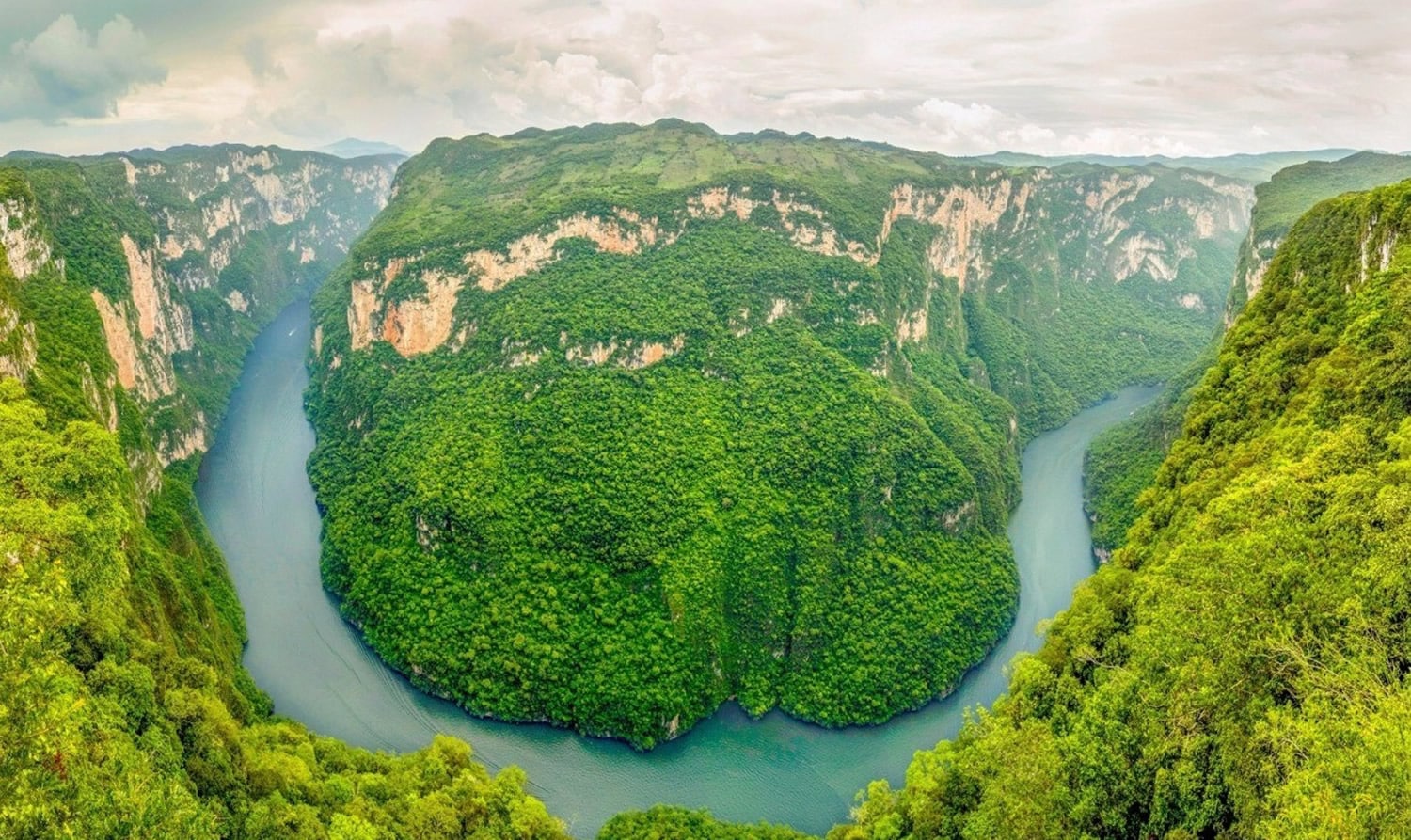
As you approach the canyon, the first thing that strikes you is the imposing presence of its vertical walls, rising like ancient guardians from the earth. Part of the larger Sumidero Canyon National Park, which spans over 50,000 acres, the canyon itself is a focal point of natural beauty. It’s a place where the Grijalva River weaves through the terrain, creating a pathway for exploration that feels both timeless and inviting.
Whether you’re gliding along the river on a boat tour or gazing from one of the scenic viewpoints, Cañón del Sumidero reveals its uniqueness layer by layer. In this article, we’ll delve into the elements that make this site truly special, from its geological origins to the wildlife that calls it home.
Geological Formation and Impressive Dimensions
The story of Cañón del Sumidero begins around 35 million years ago, during the same era that shaped the Grand Canyon. Cracks in the earth’s crust, combined with the relentless erosion from the Grijalva River, sculpted this narrow fissure into the stunning landmark we see today. Unlike broader canyons, Sumidero’s walls are remarkably steep, reaching heights of up to 1,000 meters in some sections, which creates a sense of enclosure and grandeur.
Stretching approximately 13 kilometers in length, the canyon’s width varies from one to two kilometers, with the river making sharp turns of up to 90 degrees. These dimensions contribute to its unique acoustics and visuals, where sunlight plays across the limestone layers, revealing fossils from ancient seas. The Chicoasén Dam at the northern end, completed in 1981, has formed a 25-kilometer reservoir, adding another layer to the canyon’s hydrological features.
Visitors often marvel at how the canyon separates flat-topped mesas, offering a stark contrast between the depths below and the plateaus above. This geological diversity not only makes it a site of scientific interest but also a perfect backdrop for those seeking to connect with Mexico’s natural heritage.
Iconic Rock Formations and Caves
One of the most captivating aspects of Cañón del Sumidero is its array of rock formations and caves, each telling a story of mineral deposits and water’s sculpting hand. The “Arbol de Navidad” or Christmas Tree formation is a standout, created by cascading waterfalls depositing minerals that are then adorned with moss, resembling a festive tree against the cliff face.
Among the caves, the Cueva de Colores delights with its walls tinted in shades of pink from filtered magnesium, potassium, and other minerals. Nearby, the Cueva de Silencio lives up to its name by absorbing sound, creating an eerie quietude that contrasts with the river’s flow. A seahorse-shaped stalactite in another cave adds to the whimsical natural sculptures found here.
These features are best appreciated during boat rides, where guides point out the subtleties of the canyon’s interior. With thirty rapids, five waterfalls, three beaches, and two freshwater springs, the canyon’s landscape is a dynamic mosaic that rewards attentive explorers.
Rich Biodiversity and Wildlife
Cañón del Sumidero is a haven for biodiversity, hosting a variety of ecosystems due to its varying microclimates along the cliffs. The national park protects endangered species such as the American crocodile and the Central American river turtle, which can often be spotted basking on the riverbanks.
Birdwatchers will appreciate the flocks of herons, cormorants, vultures, and kingfishers soaring above, while howler monkeys provide an auditory backdrop with their calls echoing through the canyon. On rarer occasions, glimpses of jaguars, pumas, or ocelots add an element of excitement. Endemic species like the mushroom tongue salamander, Mexican cuija, Canelo hummingbird, and Spotted toad further highlight the area’s ecological uniqueness.
The lush vegetation lining the walls supports this wildlife, creating a vibrant tapestry of life. This biodiversity not only enriches the visitor experience but also underscores the importance of conservation in this Ramsar-designated wetland of international importance.
The Grijalva River and Boat Tours
At the heart of the canyon flows the Grijalva River, a vital artery that has shaped the landscape and now offers one of the best ways to experience it. Boat tours depart from points like Chiapa de Corzo, taking passengers on a journey through the gorge, passing under highways and alongside towering walls.
These excursions provide close-up views of the formations and wildlife, with the river’s turns revealing new perspectives at every bend. The presence of the Chicoasén Dam adds a modern contrast, as the reservoir’s calm waters reflect the cliffs. For many, this river voyage is the quintessential way to appreciate the canyon’s scale and serenity.
With standard visiting hours and a modest entry fee for the park, these tours are accessible, allowing travelers to immerse themselves in the natural rhythm of the Grijalva.
Scenic Viewpoints and Hiking Opportunities
For those preferring a land-based perspective, the canyon’s miradores or viewpoints offer panoramic vistas that capture the full majesty of the site. Accessible by road, these spots like Mirador de la Cruz and Mirador de los Chiapanecos provide sweeping views of the river snaking through the gorge below.
Hiking trails wind through the park, leading to these overlooks and allowing for a more intimate connection with the terrain. The five main miradores—El Tepehuaje, El Roblar, La Ceiba, La Coyota, and Los Chiapa—each offer unique angles, with some featuring photo exhibitions or souvenir stands.
These elevated positions highlight the canyon’s depth and the contrast between the verdant cliffs and the blue river, making them ideal for photography and contemplation.
Cultural and Historical Significance
Beyond its natural allure, Cañón del Sumidero holds cultural importance, featured on the coat of arms of Chiapas as a symbol of the state’s rugged beauty. Indigenous legends and historical events are tied to the canyon, including tales of the Chiapa people’s resistance during the Spanish conquest.
The site’s nomination as one of the New Seven Natural Wonders reflects its global recognition, while its role in local identity fosters a sense of pride among Chiapanecos. Visitors can feel this connection in the nearby towns, where traditions blend with the natural surroundings.
This cultural layer adds depth to the experience, reminding us that the canyon is not just a geological feature but a living part of Mexico’s heritage.
Conservation Efforts and Visitor Tips
Preserving Cañón del Sumidero requires ongoing efforts to protect its ecosystems from threats like pollution and habitat loss. The national park status helps safeguard the area, promoting sustainable tourism that benefits both nature and local communities.
When planning a visit, consider combining a boat tour with time at the miradores for a comprehensive view. Dress comfortably, bring sun protection, and respect the environment by following park guidelines. With its unique blend of features, Cañón del Sumidero promises an unforgettable journey into the heart of Chiapas.
As you leave, the canyon’s echoes linger, inviting you to return and discover even more of its secrets.
