What do alebrijes represent in places like Arrazola and San Martín Tilcajete?
Gabriel Sánchez · February 03, 2026
Alebrijes bring Oaxaca's rich cultural tapestry to life through imaginative craftsmanship.
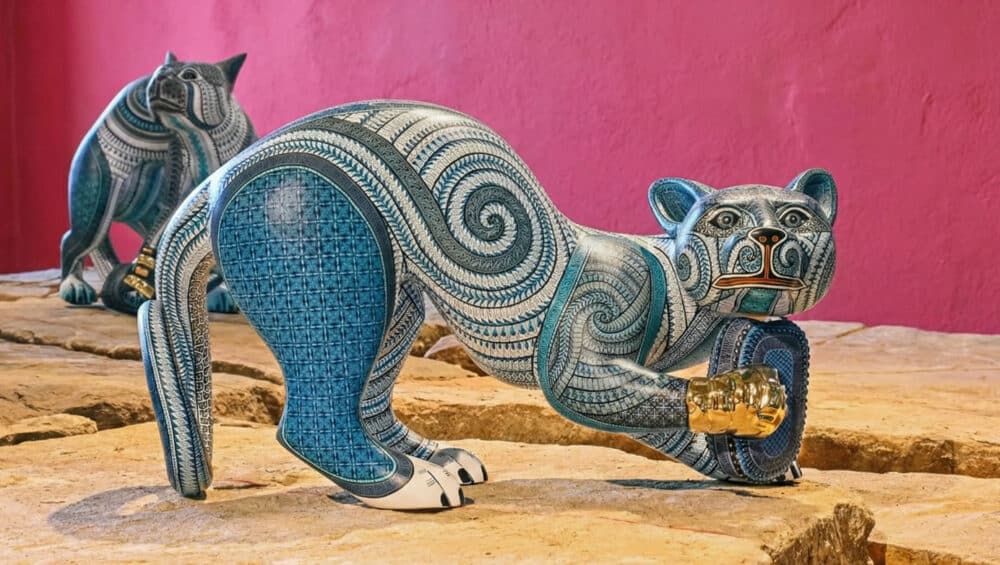
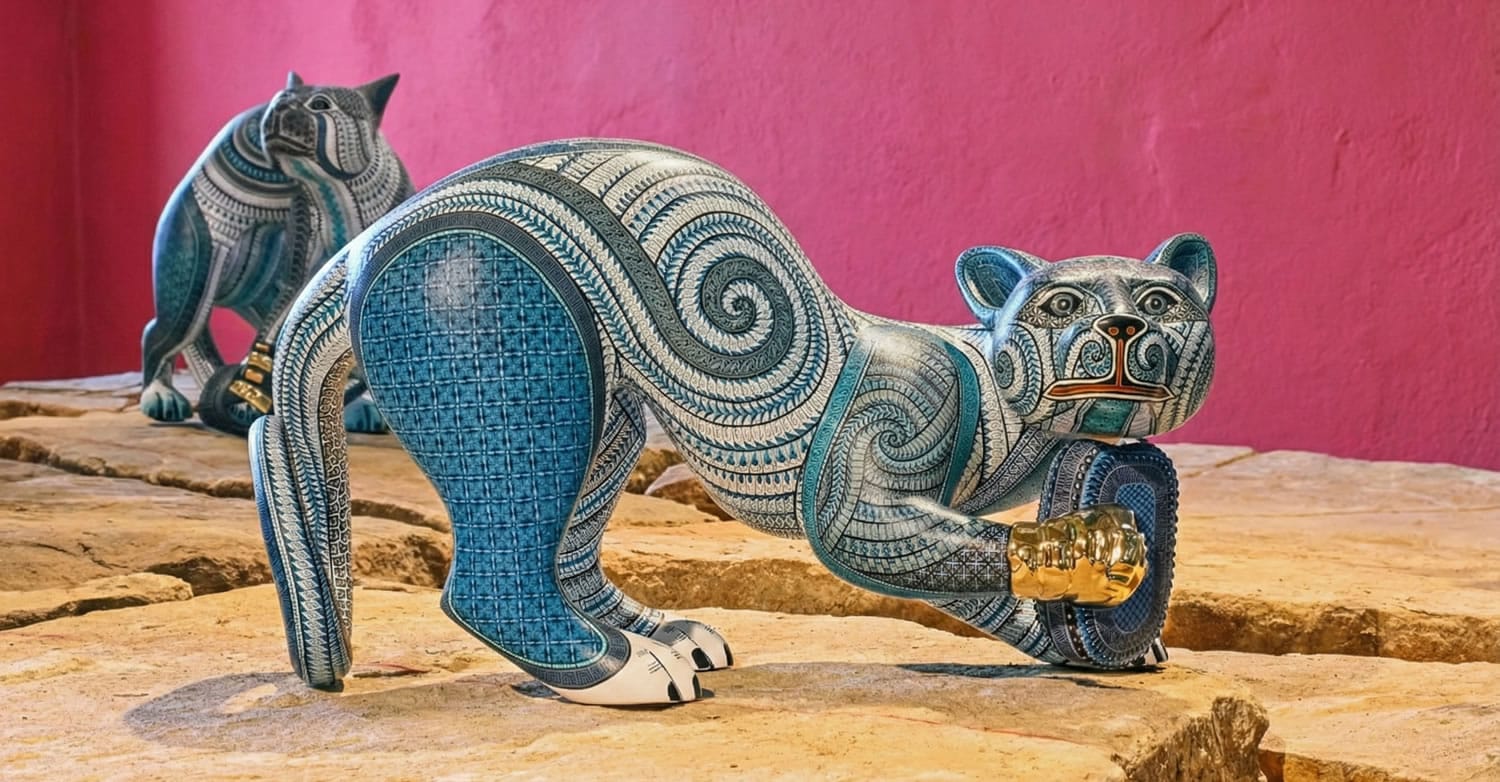
In the heart of Oaxaca's valleys, villages like San Antonio Arrazola and San Martín Tilcajete pulse with creativity, where artisans transform simple wood into vibrant, fantastical creatures known as alebrijes. These sculptures, blending real and mythical animals, captivate visitors with their bold colors and intricate designs. More than mere art, alebrijes embody a deep cultural heritage, serving as symbols of imagination, spirit guides, and community identity.
For travelers exploring Oaxaca, understanding alebrijes offers a window into the region's Zapotec roots and artistic evolution. This guide delves into their origins, symbolic meanings, and the reasons these specific villages have become renowned for this craft. Join us in appreciating the warmth and ingenuity behind these enchanting figures.
Whether you're wandering the workshops or admiring a piece at home, alebrijes invite you to connect with Oaxaca's living traditions, where every carve and color tells a story of resilience and joy.
The Origins of Alebrijes: From Dream to Craft
The story of alebrijes begins in Mexico City in the 1930s with artisan Pedro Linares. Stricken with illness, Linares experienced a vivid fever dream filled with bizarre creatures—part donkey with butterfly wings, part rooster with bull horns—chanting the nonsensical word "alebrijes." Upon recovery, he recreated these visions using papier-mâché, giving birth to a new folk art form.
By the 1960s, the craft evolved in Oaxaca when Manuel Jiménez, a woodcarver from Arrazola, adapted Linares' designs to local copal wood. This shift blended urban imagination with rural Zapotec carving traditions, spreading to nearby San Martín Tilcajete. Today, alebrijes are hand-carved from copal, dried, sanded, and painted with natural or acrylic pigments, each piece unique to its creator.
This adaptation not only preserved the dreamlike essence but also tied alebrijes to Oaxaca's indigenous heritage, making them a symbol of cultural fusion and artistic innovation.
The Lore Behind Alebrijes: Spirit Guides and Symbolism
Rooted in Zapotec beliefs, alebrijes often represent tonas or nahuales—animal spirit guides assigned at birth to protect and reflect one's personality. These beings, blending multiple animals, embody a person's strengths and traits, serving as companions in life's journey.
Specific animals carry distinct meanings: the coyote symbolizes tenacity and cunning, the armadillo represents strength and protection, the cat embodies independence, and the dog signifies loyalty. Mythical elements like dragons convey passion, while birds might denote freedom or beautiful expression. Colors add layers—green for empathy and nature, pink for love, yellow for joy, and orange for emotional release.
In Oaxacan lore, alebrijes connect the physical and spiritual worlds, drawing from ancient shapeshifting legends. They remind us of the interconnectedness of humans, animals, and the cosmos, fostering a sense of wonder and self-reflection.
Why Arrazola and San Martín Tilcajete?
San Antonio Arrazola, nestled near Monte Albán, became the birthplace of wooden alebrijes thanks to Manuel Jiménez. In the 1940s, Jiménez began carving animals for markets, later incorporating Linares' fantastical style. His innovations turned Arrazola into a hub, where families now sustain the craft amid the village's scenic hills.
San Martín Tilcajete, with its abundant copal trees and history of mask-making for festivals, adopted alebrijes in the 1980s. Today, over 80% of residents create these sculptures, blending traditional techniques with vibrant patterns. The town's accessibility and community focus make it a prime destination for witnessing the art in action.
Both villages thrive on this craft due to natural resources, cultural continuity, and economic necessity, preserving Zapotec identity while welcoming global visitors.
The Craftsmanship Process: From Wood to Wonder
Creating an alebrije starts with harvesting copal wood, sustainably sourced to protect Oaxaca's forests. Artisans carve the soft wood into shapes inspired by branches, often dictating the final form—twisting limbs for dragons or lizards.
After drying and sanding, pieces receive base coats before intricate painting with fine brushes. Patterns draw from Zapotec symbols: snakes for power, butterflies for happiness, snails for contribution. This labor-intensive process, often a family affair, reflects generations of skill and storytelling.
Visiting workshops in Arrazola or Tilcajete allows you to see this magic unfold, fostering appreciation for the dedication behind each piece.
Experiencing Alebrijes in Oaxaca
To truly grasp alebrijes' significance, visit during festivals like Tilcajete's Feria del Alebrije, where parades and demonstrations celebrate the craft. Join workshops to paint your own, connecting personally with the tradition.
When purchasing, seek authentic pieces signed by artisans, supporting local economies. Remember, alebrijes are more than souvenirs—they're emblems of Oaxaca's vibrant spirit, inviting you to embrace creativity and cultural depth.
As you explore these villages, let the alebrijes' whimsy inspire your own journey through Oaxaca's enchanting landscapes.
Why are the Zapotec rugs from Teotitlan del Valle so famous?
Gabriel Sánchez · 2026-01-28
Demonstration of dye making in Teotitlan del Valle, Oaxaca.
A small Zapotec town with a big textile reputation
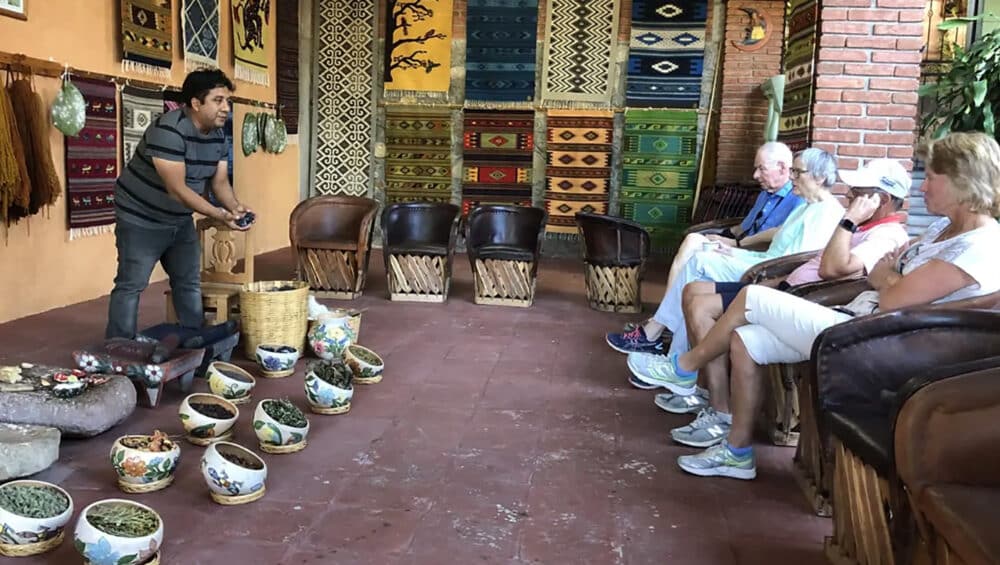
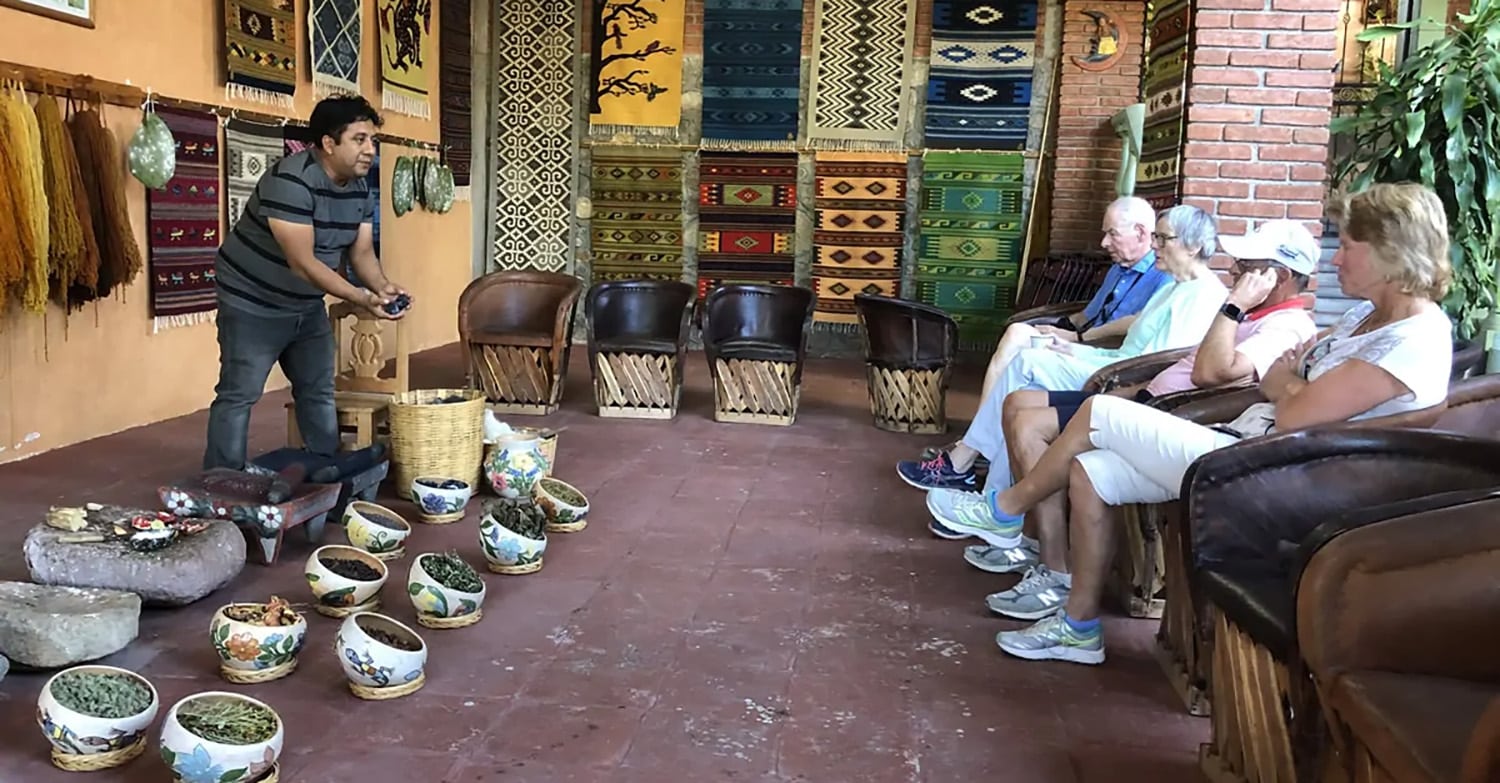
If you spend time in Oaxaca, you quickly hear the name Teotitlan del Valle in conversations about textiles. The town sits in the Tlacolula Valley, not far from Oaxaca City, and weaving is not a side craft here, it is part of daily life. Many workshops are family homes first and studios second, so visitors can see how a rug is made while hearing the stories behind the patterns and colors.
The fame of Teotitlan rugs comes from a rare combination: durable wool weaving, deep knowledge of natural dyeing, and a design language that feels both ancient and current. Some visitors come looking for classic Zapotec grecas, others want a bold contemporary piece for a modern interior. Either way, the town’s reputation is built on skill that can be seen up close, not just claimed on a label.
Wool, pedal looms, and the craft of making something that lasts
Zapotec rugs from Teotitlan are typically woven from wool and made on sturdy pedal looms that produce a tight, hard wearing textile. The process is slow, and that pace is part of the quality. Preparing wool, spinning or refining yarn, setting up a loom, and weaving a clean, even surface all require time and practice. When you handle a well made rug, you feel the difference in weight, density, and finish.
Another reason these rugs are famous is consistency. In many workshops, the craft is taught from childhood, and each generation adds its own improvements while respecting what came before. Visitors often notice careful edges, balanced tension, and patterns that stay crisp rather than drifting across the field. These are small details, but they are exactly what turns a rug into a piece that can live in a home for years.
Natural dyes that connect rugs to the landscape of Oaxaca
Color is the first thing most people remember about Teotitlan rugs, and natural dyes are a major reason why. In workshops that still dye traditionally, you may see cochineal used for reds and pinks, indigo for blues, and plants, bark, or local materials that create yellows, browns, and greens. The results tend to look deep rather than flat, and the shades shift subtly with light, which is one of the pleasures of living with a naturally dyed textile.
Dyeing is also where you understand how much knowledge sits behind a single color. Cochineal, for example, can move from warm red to purple or near black depending on the mordant and the recipe. Indigo requires careful preparation and timing. Some workshops even cultivate dye plants and materials as part of a larger commitment to self sufficiency and local ecology. When travelers call these rugs “art,” they are often responding to this invisible labor that turns raw fiber into a living palette.
Design traditions that feel both ancestral and modern
Teotitlan rugs are famous not only because they are well made, but because their designs carry a recognizable identity. Classic patterns often include Zapotec grecas and stepped fret motifs that echo the geometry you see across Oaxaca, including at sites like Monte Alban. These patterns work beautifully in modern spaces because they are structured, rhythmic, and confident without needing excessive decoration.
At the same time, many weavers also take on contemporary commissions and reinterpret motifs for new audiences. You might find rugs inspired by local flora, valley landscapes, or abstract compositions that still use traditional techniques. This balance, tradition in method and flexibility in design, is part of what keeps the town’s weaving culture visible worldwide rather than frozen in time.
Family workshops and cooperatives that keep the craft alive
A key reason Teotitlan del Valle became so well known is that visitors can meet the makers directly. Many studios welcome travelers for demonstrations, showing dyeing, loom setup, and weaving in the same place the family lives. This transparency builds trust, because you can ask what the rug is made of, how it was dyed, and how long it took to weave, then connect those answers to what you are seeing in front of you.
The town is also home to cooperatives and organized workshops that support artisans in different ways. Vida Nueva is widely recognized as a women’s weaving cooperative connected to Teotitlan del Valle, and its work is often described in the context of economic opportunity and community strength. Other projects emphasize natural dye cultivation and cultural preservation, including groups associated with cochineal production and dye plants. For travelers who care about impact, buying directly from a workshop or cooperative is one practical way to support the people who keep the tradition in motion.
If you want to do a little homework before visiting, some local makers share their story and process online, including workshops like Huella Carmín and other Teotitlan based textile projects that highlight their techniques and heritage. Reading these maker pages helps you arrive with better questions and a clearer sense of what “handmade” really means in this town.
How to choose a Teotitlan rug with confidence
The easiest way to buy well is to slow down and ask a few respectful questions. Is the rug wool, cotton, or a blend. Are the colors natural dyes, synthetic dyes, or mixed. What dye sources were used for the dominant colors, such as cochineal for reds or indigo for blues. A good workshop will usually explain this clearly and show you dye samples or wool in different stages.
Then look at the weave. A dense rug should feel substantial and even. Edges should lie flat, and the pattern should look intentional rather than warped by uneven tension. Finally, consider design and scale in your own space. A rug that feels “too bold” in a shop can look perfect at home once it has room to breathe. Teotitlan weavers understand this and often help visitors think through placement, light, and color harmony.
Why this tradition still matters for travelers in Oaxaca
The fame of Zapotec rugs from Teotitlan del Valle is not only about beauty or craftsmanship. It is also about continuity. In a world of fast production, Teotitlan offers a chance to see an entire textile culture functioning in real time, from dye knowledge to weaving skill to community organization. That is why visiting a workshop here often becomes a highlight of an Oaxaca itinerary, alongside markets, mezcal culture, and archaeological sites.
If you visit, go with curiosity and respect. Ask questions, listen to the answers, and remember that each rug represents a long chain of work. When you bring one home, you are not only buying a souvenir. You are carrying a piece of Oaxaca’s living craft tradition, made by people who have kept their skills sharp through patience, practice, and pride.
The Beauty and History of the Palacio de Bellas Artes in Mexico
Gabriel Sánchez · January 25, 2026
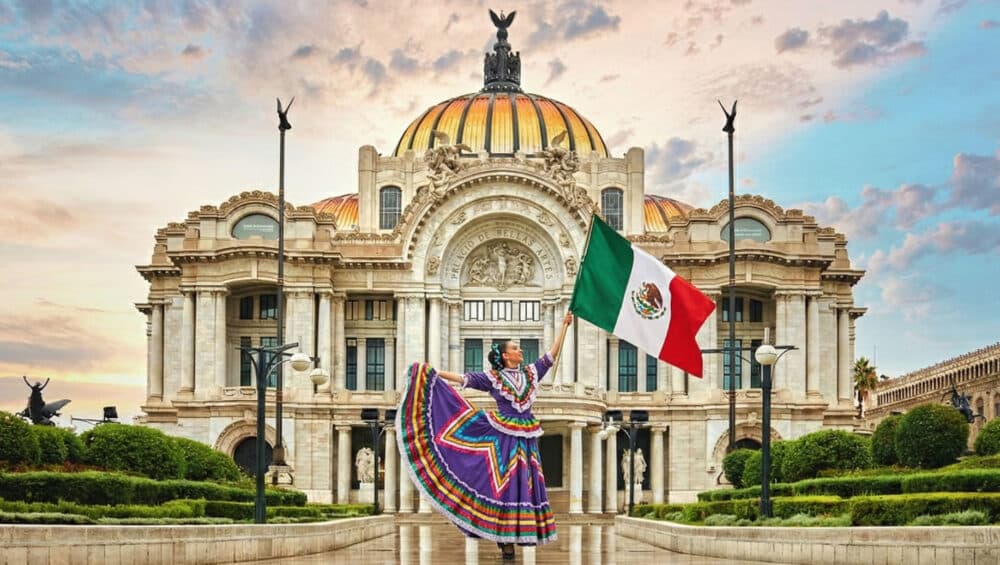
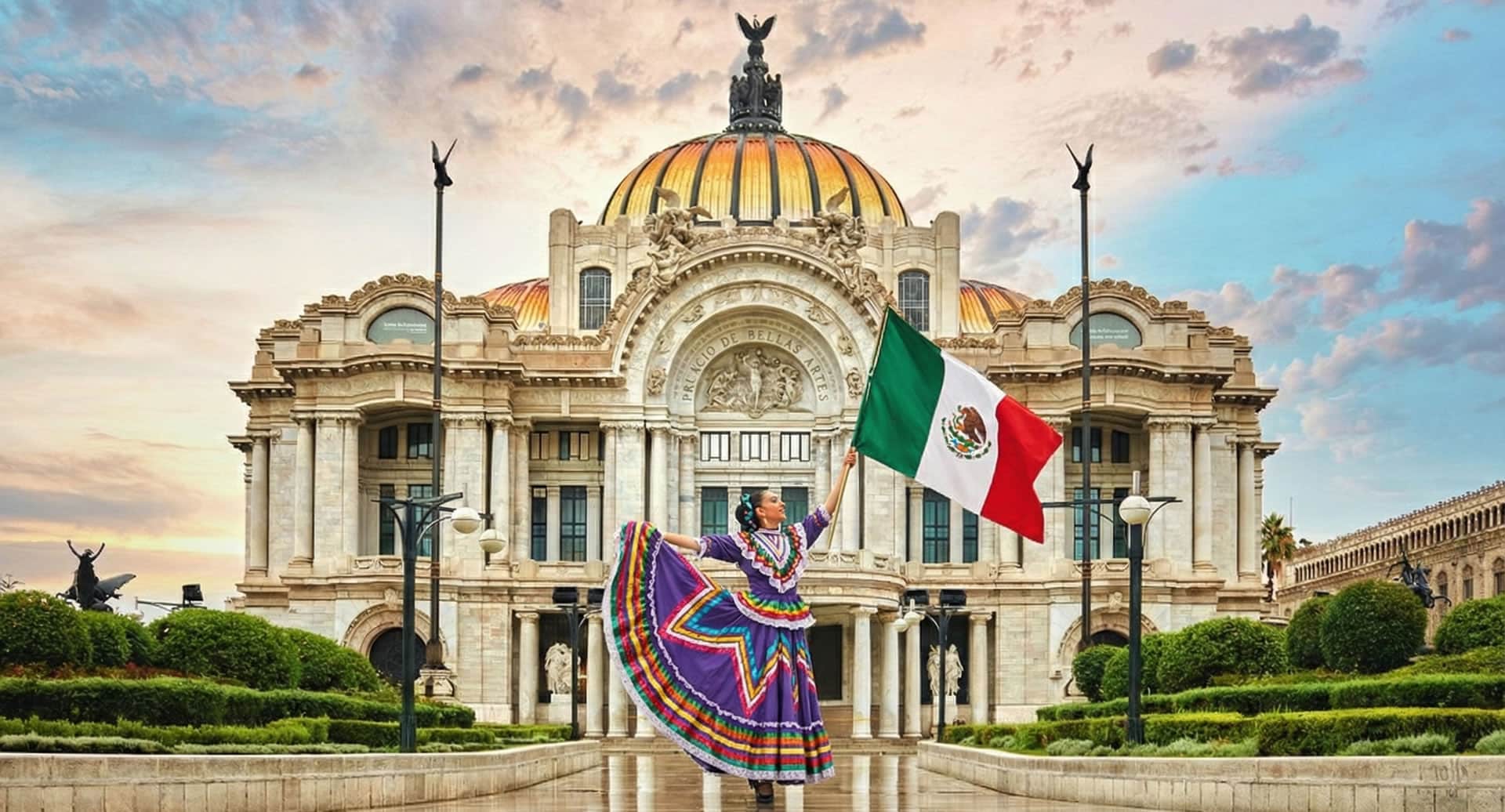
The majestic Palacio de Bellas Artes in the heart of Mexico City
A Rich History Spanning a Century
The Palacio de Bellas Artes stands as one of Mexico City’s most cherished cultural landmarks. Its story begins in the early 20th century under President Porfirio Díaz, who envisioned a grand national theater to celebrate the centennial of Mexico’s independence. Construction started in 1904 with Italian architect Adamo Boari leading the initial design in an elegant European style.
The Mexican Revolution brought work to a halt, leaving the building incomplete for decades. It was not until the 1920s that efforts resumed under Mexican architect Federico Mariscal, who adapted the interior. The Palacio finally opened its doors in 1934, becoming a symbol of resilience and national pride.
Over the years, the soft soil of the former lakebed has caused the structure to sink several meters, adding a unique chapter to its legacy. Today, it serves as a vibrant hub managed by the Instituto Nacional de Bellas Artes y Literatura. It welcomes visitors from around the world to experience Mexico’s artistic heritage in a setting that reflects both historical challenges and triumphs.
Architectural Splendor Blending Two Eras
The Palacio de Bellas Artes captivates with its harmonious blend of architectural styles. The exterior showcases elegant Art Nouveau elements designed by Boari, featuring marble facades, intricate sculptures, and graceful lines that reflect European influences popular during the Porfirian era. Stone carvings and decorative details adorn the white marble structure, creating an inviting presence in the city center.
In contrast, the interior embraces Art Deco aesthetics introduced by Mariscal, with bold geometric patterns, luxurious materials, and modern flair. Crystal chandeliers and ornate details throughout the building enhance the sense of grandeur. This fusion of styles makes the Palacio not only a functional venue but also a living work of art that reflects Mexico’s evolving identity in the early 20th century.
Visitors often pause to appreciate the transition between exterior elegance and interior modernity. The design choices highlight the transition from Porfirian opulence to post-revolutionary Mexican modernism. Exploring the spaces reveals thoughtful adaptations that honor both international influences and local pride.
The Iconic Tiffany Glass Curtain
One of the interior highlights is the stunning Tiffany glass curtain, a masterpiece created by Louis Comfort Tiffany. It depicts the Valley of Mexico with volcanoes Popocatépetl and Iztaccíhuatl in the background. Suspended above the main stage, it creates a breathtaking visual effect when illuminated during performances.
The curtain weighs nearly a ton and consists of almost a million pieces of iridescent glass. It was shipped from New York and installed as a symbol of technological achievement at the time. Audiences often arrive early to admire its intricate details before shows begin.
This feature adds a layer of wonder to the Palacio experience. It connects visitors to both artistic craftsmanship and the natural landscapes that define Mexico. The curtain remains one of the most photographed elements inside the building.
Iconic Murals and Artistic Treasures
The second and third floors house some of Mexico’s most famous murals, painted by legendary artists of the Mexican muralist movement. Diego Rivera’s “Man, Controller of the Universe” dominates with its vivid colors and powerful social commentary. Originally commissioned for Rockefeller Center but recreated here after controversy, it remains a centerpiece that draws crowds eager to explore its intricate details.
Other notable works include pieces by José Clemente Orozco, David Alfaro Siqueiros, Rufino Tamayo, and Jorge González Camarena. These large-scale murals capture themes of revolution, identity, industry, and indigenous heritage, offering profound insights into Mexico’s past and present. The Museo del Palacio de Bellas Artes also features rotating exhibitions alongside its permanent collection.
Wandering these halls allows travelers to connect deeply with Mexican history through the eyes of its greatest artists. Each mural tells stories of social change and cultural pride. Spending time studying the works rewards visitors with a richer understanding of the nation’s artistic legacy.
Performances and Live Arts
Beyond the visual arts, the Palacio serves as a premier venue for performing arts. The Ballet Folklórico de México de Amalia Hernández presents colorful dances that celebrate regional traditions from across the country. Founded in 1952, the company features vibrant costumes, lively music, and choreography that highlight indigenous and folk elements.
Performances take place regularly in the main theater, drawing both locals and international visitors. Opera, symphony concerts, and contemporary dance also appear on the schedule throughout the year. The acoustics and elegant setting enhance every show.
Attending a performance adds another dimension to your visit. The energy of live music and dance brings the building to life in a unique way. Check current schedules to align your trip with these cultural events.
Planning Your Visit and Nearby Experiences
The Palacio de Bellas Artes is located in the bustling Centro Histórico, adjacent to the beautiful Alameda Central park. This makes it easy to combine with a leisurely stroll or people-watching. The museum portion welcomes visitors during standard daytime hours, typically Tuesday through Sunday. A modest entry fee applies, with occasional free access on Sundays for certain visitors.
Performance tickets, including the renowned Ballet Folklórico de México, are available separately through the box office or online platforms. Consider timing your visit to catch a live performance or guided tour if available. Comfortable shoes are recommended for exploring the multi-level building, and photography policies vary by area.
The surrounding neighborhood offers excellent dining options and proximity to other landmarks like the Zócalo and historic churches. You can easily reach the Palacio via Metro Bellas Artes station or by walking from nearby sites. The area is well-connected and safe for daytime exploration.
Whether you spend an hour admiring the murals or a full afternoon enjoying a show, the Palacio provides an enriching experience that highlights Mexico’s enduring commitment to the arts. Plan ahead by checking the official website for current schedules and events to make the most of your time. This landmark offers a memorable introduction to Mexican culture in a beautiful setting.
Why the Chapultepec Castle in Mexico City is a must-see
Gabriel Sánchez · January 22, 2026
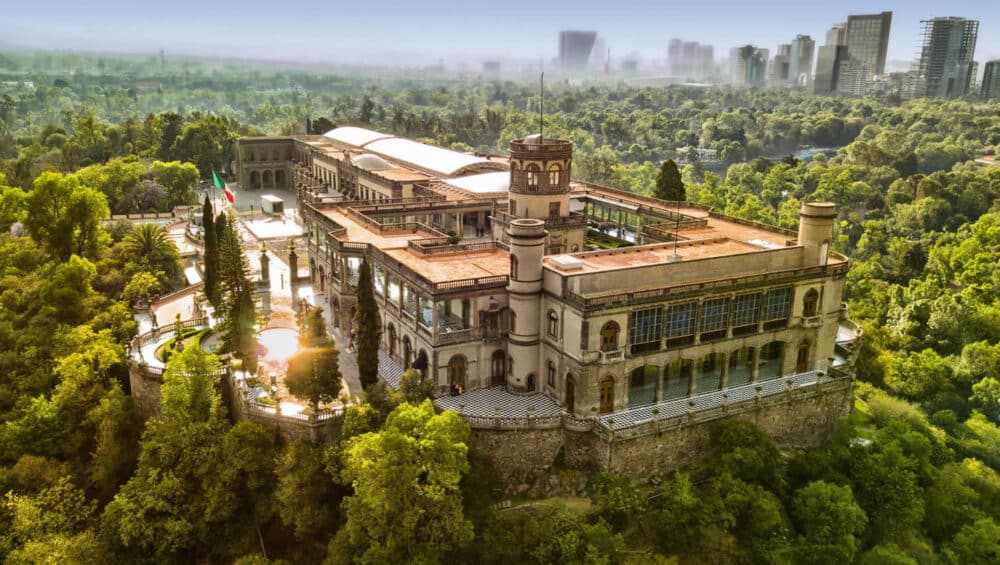
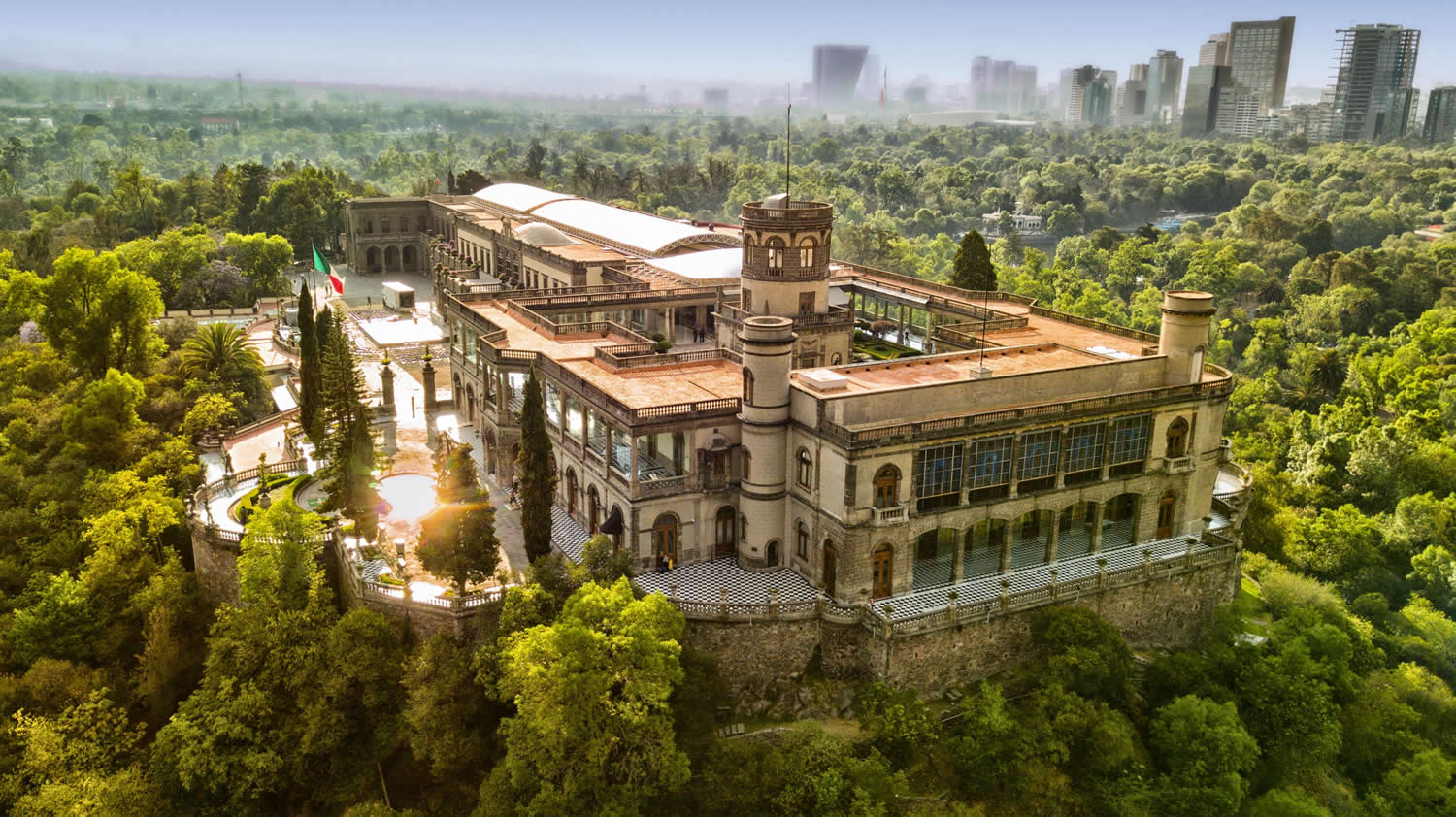
Chapultepec Castle rising above Chapultepec Forest, a rare royal residence in the Americas.
A castle in the heart of a modern megacity
It is not every day that you find a true castle sitting above one of the largest cities in the world. That alone makes Chapultepec Castle an immediate curiosity for visitors. Rising from Chapultepec Hill, the structure overlooks the vast urban landscape of Mexico City while remaining surrounded by trees, gardens, and walking paths. The contrast between historic stone walls and the endless city below is striking and memorable.
Chapultepec Hill has been a place of importance since long before the castle itself existed. It was considered a sacred site in pre-Hispanic times and later became a strategic lookout point during the colonial period. Visiting the castle today lets you feel how one location can hold many eras at once, from ancient reverence to modern city life.
The only royal castle in the Americas
One of the most compelling reasons to visit Chapultepec Castle is its unique status. It is widely recognized as the only castle in the Americas that actually housed reigning royalty. In the mid nineteenth century, it became the official residence of Emperor Maximilian I and Empress Carlota during the Second Mexican Empire. This brief but dramatic chapter of Mexican history left a lasting architectural and cultural imprint on the building.
Walking through the castle’s rooms, you encounter spaces designed to signal power and refinement, including formal salons, private chambers, and ceremonial areas. These are not movie sets. They are preserved interiors that were used during a turbulent moment when Mexico’s political future was being contested, negotiated, and ultimately decided through conflict.
A museum that makes Mexico’s past feel human
Today, Chapultepec Castle is home to the National Museum of History, and that alone can justify the visit. The museum’s collections and displays help visitors understand how Mexico transformed over time, from the colonial era and the independence movement to later reforms and national consolidation. Even if you are not a museum person, the setting changes everything, because the exhibits live inside a building that once shaped the country’s public life.
The most satisfying museums do not just list dates. They show you how people lived, what they valued, and what they fought for. Here, that perspective is strengthened by the castle itself. Objects, furnishings, and art feel grounded in place, because they are surrounded by architecture that makes the story tangible.
Views that explain the city, not just photograph it
Chapultepec Castle also delivers one of the most rewarding viewpoints in Mexico City. From its terraces and outlooks, you can see Chapultepec Forest stretching below, major avenues cutting through the city, and the skyline expanding in multiple directions. On a clear day, the scale is almost hard to process, and you suddenly understand why this hill has been strategically important for centuries.
These views are not just a pretty bonus. They connect directly to the site’s history. High ground matters, especially in a region where political and military control has shifted across time. When you stand where leaders once stood, looking over the same valley, the castle becomes more than an attraction. It becomes a lens for understanding the capital itself.
A peaceful entry point into Chapultepec Forest
Many travelers underestimate how much Chapultepec Forest contributes to the experience. The walk up toward the castle is part of the reward, especially if you arrive earlier in the day when the park feels calmer. Trees, shaded paths, and open green spaces soften the city’s intensity, so by the time you reach the hilltop, you have already transitioned from traffic and noise into something more reflective.
This also makes the castle a practical choice for a full day of culture. You can pair it with nearby museums or simply enjoy the park before and after your visit. It is one of those rare places where a half day can feel complete, and a full day can feel richly varied without constant commuting.
What makes it unforgettable
Chapultepec Castle sticks with people because it sits at the crossroads of beauty and meaning. It is visually striking, yes, but it also holds complicated history in a way that feels accessible. You are not just reading about the past. You are walking through it, seeing how architecture, art, and geography were used to project power, identity, and national ambition.
For first-time visitors, it offers context for Mexico City, a capital shaped by centuries of change and reinvention. For returning travelers, it offers depth, because each room and viewpoint invites a different question. Why here. Why this style. Why this story. If you want one place that blends history, scenery, and a sense of Mexico’s larger narrative, Chapultepec Castle earns its must-see reputation.
The Ultimate Guide to the Basilica of Our Lady of Guadalupe: History, Miracles, and Visitor Tips
Gabriel Sánchez · January 19, 2026
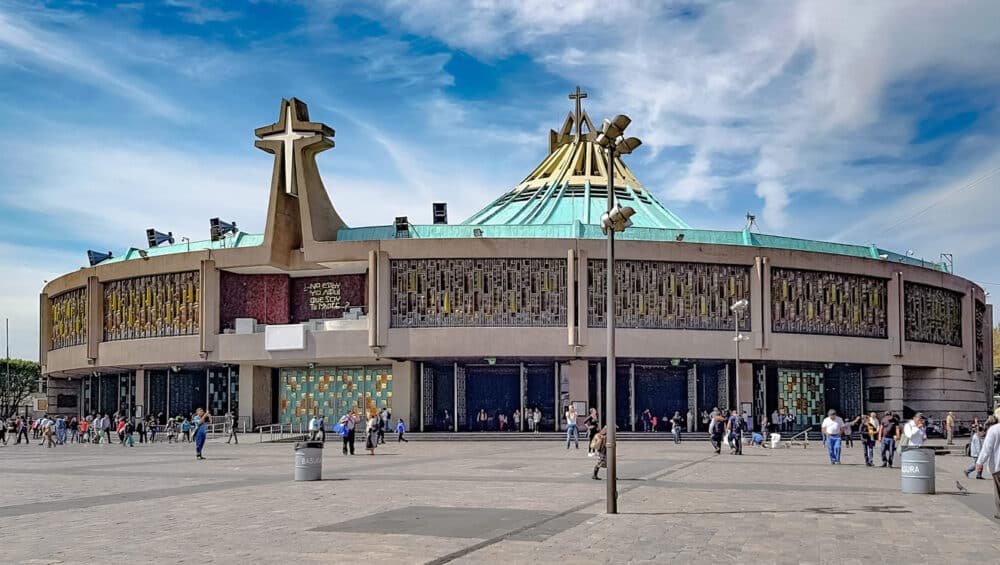
The Basilica of Our Lady of Guadalupe stands as a beacon of faith and history in Mexico City.
When you step off the busy streets of La Villa and enter the vast Atrium of the Americas, the atmosphere shifts perceptibly. The air here carries a distinct weight, a blend of burning copal incense, the scent of thousands of roses, and the murmur of prayers recited in Spanish, Nahuatl, Otomi, and countless other tongues. This is the most visited Catholic pilgrimage site in the world after the Vatican, drawing approximately twenty million visitors annually. They come from the dusty, rural villages of Chiapas and the wealthy, gated enclaves of Polanco. They arrive in luxury SUVs and on blistered feet, united by a singular devotion to the Virgen Morena, the Dark Virgin.
For the traveler, visiting the Basilica offers a profound window into the syncretism that defines Mexico. Here, you witness a living faith that is as Indigenous as it is Catholic. The devotion to Our Lady of Guadalupe is the thread that weaves together the disparate parts of Mexican history, the pre-Hispanic past and the colonial legacy, into a coherent whole. She is more than a religious figure. She is a national symbol of survival, compassion, and motherhood. Whether you are a devout believer seeking a miracle or a secular observer of anthropology and culture, the Basilica commands a unique respect. It tells a story of a people who, in the face of conquest and collapse, found a way to rebuild their world through a miraculous encounter on a barren hill.
This guide serves as your exhaustive companion to this sacred precinct. We will explore the miraculous history of the apparitions that occurred here in 1531. We will analyze the baffling scientific anomalies of the Tilma of Juan Diego, a cactus-fiber cloak that defies centuries of decay. We will walk through the tilting, sinking naves of the Old Basilica and marvel at the engineering of the New Basilica. We will climb the zigzagging paths of Tepeyac Hill to see where the Castilian roses bloomed in winter. And, because no visit to Mexico is complete without tasting its culture, we will guide you to the sweet, warm Gorditas de la Villa sold by street vendors nearby. Our goal is to ensure that you do not just see the sites, but that you understand the deep currents of history and faith that flow through this place, making it the true heart of Mexico.
The Historical Context
The Spanish missionaries, particularly the Franciscans, were struggling to evangelize a population that viewed the new religion as the tool of their oppressors. There was a vast chasm of language, culture, and theology between the European conquerors and the Mesoamerican subjects. It was into this void of despair and misunderstanding that the apparitions of Guadalupe occurred, serving as a miraculous bridge between two colliding worlds.
The location itself, Tepeyac Hill, was already sacred ground. Before the arrival of the Spanish, this hill was the site of a temple dedicated to Tonantzin, the Aztec mother goddess. The indigenous people had pilgrimaged here for centuries to ask for fertility, protection, and harvest. When the Virgin Mary appeared at this exact spot, speaking in Nahuatl and using indigenous symbols, she was not rejecting their past. She was fulfilling it in a new form. This continuity of sacred space is a key reason why the devotion took root so deeply and so quickly.
The Story of the Apparitions
Suddenly, he heard the singing of birds, more beautiful than any he had ever heard, the song of the tzinitzcan and the coyoltototl. He looked up to the summit and saw a young woman surrounded by a golden radiance that turned the rocks and prickly pear cactus into jewels. She called out to him affectionately in his native Nahuatl, Juanito, Juan Dieguito, the way a mother speaks to a beloved child.
She identified herself as the perfect, ever-virgin Holy Mary, Mother of the one true God for whom we live, the Creator of people, the Lord of the Near and the Together. Her request was specific. She wanted a teocalli, a sacred house or temple, to be built on that site, where she could show her love, compassion, and protection to all the inhabitants of the land, both the indigenous and the Spanish.
Juan Diego rushed to the Bishop of Mexico, Fray Juan de Zumarraga, to deliver the message. The Bishop, a pragmatic man governing a chaotic new colony, listened but was skeptical. He dismissed Juan Diego, asking him to come back another time. Juan Diego returned to the hill, discouraged, and asked the Virgin to send someone more important, a noble or a lord, whom the Bishop would believe. But the Virgin insisted that he, the humble smallest of my children, was her chosen messenger.
The Miracle of the Roses
On his second visit to the Bishop, Zumarraga asked for a sign to prove the apparition was real. Juan Diego promised to bring one the next day. However, upon returning home, he found his uncle, Juan Bernardino, gravely ill with cocoliztli, a deadly fever. Juan Diego spent the next day caring for him and, on the morning of December 12, rushed to Tlatelolco to find a priest for his uncles last rites.
Trying to avoid the Virgin so he would not be delayed, Juan Diego took a different path around the hill. But she intercepted him. In one of the most tender moments of the narrative, she asked, What is wrong, my little son? Where are you going? When he explained his distress, she spoke the words that are now inscribed over the entrance of the Basilica: Am I not here, I, who am your Mother? Are you not under my shadow and protection? Am I not the source of your joy? Are you not in the hollow of my mantle, in the crossing of my arms? Do you need anything more?
She assured him his uncle was cured at that very moment. She then instructed him to climb to the top of the hill. There, on the frozen, rocky summit where only cactus and scrub grew, Juan Diego found a miraculous garden of Castilian roses, flowers native to the Bishops homeland in Spain and impossible to bloom in the Mexican winter. He gathered them in his tilma, a simple cloak made of woven agave fibers.
Juan Diego returned to the Bishops palace. When he was finally admitted, he unfurled his tilma to show the roses. As the flowers cascaded to the floor, the Bishop and his attendants fell to their knees. Printed on the rough fabric of the cloak was the perfect, glowing image of the Virgin of Guadalupe, exactly as Juan Diego had seen her. This was the image that would unite a nation.
Material Impossibility
The cloak is made of ayate, a fabric woven from the fibers of the maguey plant, agave. This material is known for its coarseness and fragility. Typically, ayate cloth decays within 20 to 30 years in the humid, saline environment of Mexico City. Yet, the Tilma has remained intact since 1531. For the first 116 years, it hung uncovered in an open chapel, exposed to the smoke of candles, the incense of liturgies, and the touch and kisses of millions of pilgrims. It should have rotted, frayed, or blackened centuries ago. Its preservation remains scientifically unexplained.
Scientific Anomalies
Throughout the 20th century, the Tilma was subjected to various scientific analyses. In 1936, Nobel Prize winner in Chemistry Richard Kuhn reportedly analyzed a fiber from the image and could not determine the nature of the pigments. They were neither mineral, vegetable, nor animal in origin. In 1979, Philip Serna Callahan, a biophysicist from the University of Florida, utilized infrared photography to examine the image. He concluded that there were no undersketches, no sizing primer on the fabric, and no brush strokes in the main figure. The image appears to sit upon the fabric rather than penetrating the fibers, almost like a photograph or a projection.
Perhaps the most famous anomaly concerns the eyes of the Virgin. In 1929 and again in the 1950s, ophthalmologists examining high-resolution photographs claimed to see reflections in the corneas of the Virgins eyes. These reflections reportedly show a bearded man believed to be Juan Diego and the Bishop, distorted perfectly according to the Purkinje-Sanson laws of curvature in a living human eye. Such microscopic detail would have been impossible for a human artist to paint in the 16th century.
Survival Against All Odds
The Tilma has survived two documented events that should have destroyed it. The first was in 1785, when a worker cleaning the glass frame accidentally spilled a solvent containing 50 percent nitric acid onto the cloth. Nitric acid is highly corrosive and should have eaten a hole through the organic fibers instantly. Instead, it left only a faint, water-like stain that is barely visible today.
The second event was a deliberate attack. On November 14, 1921, during a period of intense anti-Catholic persecution in Mexico, a man named Luciano Perez Carpio entered the Basilica. He hid a powerful dynamite bomb inside a floral arrangement and placed it on the altar, directly beneath the image.
The explosion was devastating. It shattered the marble steps of the altar, twisted the heavy brass candlesticks, and blew out the windows of neighboring homes. A heavy bronze crucifix that stood on the altar was bent backward into an arch by the sheer force of the blast. Yet, the thin glass protecting the Tilma did not even crack. The image remained completely untouched.
Today, that twisted bronze crucifix is preserved and displayed in the back of the Basilica. It is known as the Santo Cristo del Atentado, Holy Christ of the Attack or Attempt. When you visit, take a moment to find it. It stands as a silent, physical witness to the violence of that day and the miraculous protection that seemingly shielded the Virgins image.
The New Basilica: A Modern Marvel
The construction of this building was a necessity. By the mid-20th century, the Old Basilica was structurally compromised and sinking dangerously. It was also far too small to accommodate the millions of pilgrims who flocked to the site. A new, larger, and safer home was needed for the Tilma.
The design is a masterpiece of symbolic functionalism. The building is circular, measuring 100 meters in diameter, representing the Tent of Meeting from biblical tradition, God pitching his tent among his people as they march through the desert. This shape also serves a practical purpose. The roof is supported by a single central pylon, which means the vast interior space is entirely free of columns. From any of the 10,000 seats, or standing room for thousands more, there is a clear, unobstructed line of sight to the image of the Virgin.
The roof is covered in oxidized copper, giving it that characteristic green color that blends with the oxidized domes of the city. The structure has seven entrances, which remain wide open, symbolizing the universal embrace of the Church. The open design allows the wind to blow through and the crowds to flow freely, preventing the crushing bottlenecks that plagued the old church.
The Moving Walkway Experience
One of the most unique features of the New Basilica is how visitors view the Tilma. In the old church, pilgrims would crowd the aisles, stopping the flow of liturgy. In the New Basilica, the image hangs high on the wall behind the main altar, visible to the congregation during mass. However, for a close-up, intimate view, you must go underneath the main altar.
Here, hidden from the main worship space, is a viewing area equipped with three moving walkways, travelators. This might seem mechanical or impersonal at first, like an airport terminal, but it is a stroke of logistical genius. It allows thousands of people per hour to pass directly beneath the image without stopping and blocking the way for others.
When you step onto the walkway, look up. You will have about 30 to 45 seconds of direct visual contact with the Tilma. It is much larger than people expect. The colors are vibrant. You can see the texture of the cloth and the gold rays surrounding the Virgin. My advice? Do not spend the entire time looking through your phone screen. Ride the walkway once to take your photos, then loop around and ride it a second time just to look with your own eyes. There is no limit to how many times you can ride it, and the second pass is often far more emotional and profound.
The Battle Against the Lakebed
Mexico City was built on the soft, clay-rich soil of the drained Lake Texcoco. Heavy colonial buildings act like stones on a sponge, slowly sinking into the earth. The Old Basilica has been a victim of this geology for centuries. At its worst, the foundations were sinking at different rates, causing the building to tear itself apart. You can visibly see the tilt from the plaza. The facade leans forward as if bowing to the visitors.
Inside, the sensation is even more pronounced. As you walk down the main aisle, you can feel the floor sloping beneath your feet, inducing a mild sense of vertigo. The chandeliers hang straight down from the ceiling, but because the columns are tilted, they appear to be hanging at odd, jaunty angles.
For many years in the late 20th century, the Old Basilica was closed to the public as engineers fought to save it. They utilized advanced techniques, including injecting concrete into the subsoil and installing control piles, pilotes de control, to stabilize the descent. It reopened in 2000 and now stands stable, though permanently tilted. While the New Basilica buzzes with the energy of mass and crowds, the Old Basilica offers a quiet, heavy atmosphere saturated with history. It is a place for silent adoration of the Blessed Sacrament, displayed high on the altar. It stands as a testament to the resilience of this city, battered by time, geology, and history, yet refusing to fall.
Capilla del Cerrito, Chapel of the Little Hill
To the east of the basilicas rises Tepeyac Hill itself. A zigzagging stone path leads to the summit. The climb is not technically difficult, but at Mexico Citys altitude, 7,350 feet, it can leave you breathless, so take your time. Along the way, you will pass stone sculptures depicting the story of the apparitions.
At the top stands the Capilla del Cerrito, marking the exact spot where Juan Diego found the Castilian roses. Inside, beautiful murals tell the story of the miracle. But the real reward is the view. From the terrace, you can look down over the green roof of the New Basilica, the yellow dome of the Old Basilica, and the endless sprawl of Mexico City stretching to the horizon. It is a place of peace and perspective.
Capilla del Pocito, Chapel of the Little Well
Descending the other side of the hill, you will find the Capilla del Pocito. Built between 1777 and 1791, this is considered one of the finest jewels of Baroque architecture in Mexico. It was built over a natural spring that was rumored to have miraculous healing properties. The building is unique for its elliptical plan and its stunning zigzag patterns of blue and white Talavera tiles covering the domes. It feels intimate and jewel-like compared to the massive basilicas.
Antigua Parroquia de Indios, Old Parish of the Indians
This modest, older church dates back to the 16th century. According to tradition, this is where Juan Diego lived for the last 17 years of his life, serving as the caretaker for the first humble hermitage built for the Virgin. His remains are believed to be preserved here. It is a simple, austere space that connects you directly to the human side of the saint, the man who swept the floors and lit the candles long before there were gold domes or marble altars.
The Carrillon and Clock
In the atrium, keep an eye out for the large modern bell tower and clock. It features a unique mechanical show. At scheduled times during the day, panels open and animatronic figures rotate to music, reenacting the scenes of the apparitions. It is a charming, folk-art inspired interlude that delights both children and adults.
The Guadalupe Museum: A Treasury of Faith
The museum contains magnificent colonial oil paintings, sculptures, and liturgies vestments. But the most moving section is the collection of retablos or ex-votos. These are small, folk-art paintings on tin sheets, commissioned by ordinary people to thank the Virgin for a specific miracle.
They depict scenes of daily life and near-death experiences: a man under a flipped carriage, a woman in a hospital bed with a fever, a soldier in battle, or even a survivor of a bar fight. Each painting includes a handwritten text explaining the danger and giving thanks to the Virgin of Guadalupe for saving them. There are thousands of these milagros, miracles. They offer an incredibly intimate and raw look into the fears, hopes, and gratitude of Mexican people over the last three centuries. You might see a thank-you note for a successful surgery in 1920 right next to a gratitude for a harvest in 1890. It is a visual library of answered prayers.
The entrance fee is nominal, around 10 pesos, and the museum offers a quiet, cultural counterpoint to the busy energy of the church.
Danzantes and Devotion
On any given day, but especially on weekends, the atrium is filled with the sound of drums and the rattling of chachayotes, ankle rattles. These are the Matachines or Concheros, Aztec dancers. Dressed in elaborate feathered headdresses and traditional regalia, they dance for hours under the hot sun. This is not a performance for tourists. It is a form of prayer. They are dancing for the Virgin, whom they honor as Tonantzin. Their endurance and rhythm are a visceral reminder of the indigenous roots of this faith.
Gorditas de La Villa: The Flavor of Tradition
No visit to La Villa is complete without the local culinary ritual. As you walk the streets surrounding the Basilica, the air is thick with a sweet, toasty aroma. This is the scent of Gorditas de la Villa.
Unlike the savory, stuffed gorditas found elsewhere in Mexico, these are small, sweet dessert cakes. They are made simply from corn masa, sugar, and sometimes a touch of vanilla or cinnamon. They are cooked on a dry griddle, comal, until they are slightly browned and firm on the outside but soft inside.
What makes them iconic is the packaging. They are sold in stacks of 10 or 12, wrapped in brightly colored tissue paper, hot pink, bright blue, yellow, or purple. You buy a warm pack from a street vendor for a few pesos and eat them as you walk. They are simple, dry, and sweet, the perfect comfort food after a long morning of walking. You will find the best vendors lining the sidewalks of Calzada de Guadalupe as you head back toward the Metro.
Best Time to Visit
The complex is open daily from 6:00 AM to 9:00 PM. The museum is open Tuesday through Sunday, typically from 10:00 AM to 5:00 PM.
Weekdays, Tuesday through Thursday: Best for a quiet, contemplative experience.
Weekends: Highly crowded but full of vibrant energy, dancers, and pilgrimages.
December 11 through 12: The Feast Day. Unless you are making a pilgrimage yourself, it is best to avoid these dates as the crowds can exceed 5 million people, making movement difficult.
Dress Code and Etiquette
This is an active place of worship. While there is no strict shoulders covered rule enforced at the gate like in European cathedrals, modest dress is respectful. Avoid very short shorts or revealing tops. Men should remove hats when entering any chapel. Photography is allowed, but avoid using flash inside the churches, especially during mass.
Safety
The Basilica complex itself is heavily policed and safe. However, the surrounding neighborhood, Gustavo A. Madero or La Villa, can be rougher than tourist zones like Roma or Condesa. Stick to the main pilgrim thoroughfares like Calzada de Guadalupe. Avoid wandering into random side streets, especially after dark. Be mindful of pickpockets in the tight crowds, especially on the moving walkways or in the Metro.
Experience It with Gmex
At Gmex Experience, we specialize in uncovering these layers. A private tour with us ensures you do not just walk through the site, but that you understand it. We handle all the logistics, picking you up from your hotel in comfortable, private transportation so you avoid the crowded Metro. We navigate the crowds, find the best times to view the Tilma, and explain the complex syncretism of Aztec and Catholic symbols that define the Virgin.
Whether you are a pilgrim wanting to attend Mass or a history buff wanting to understand the architecture, we tailor the experience to your pace. The Virgin of Guadalupe is the soul of Mexico. Let us introduce you to her, click here.
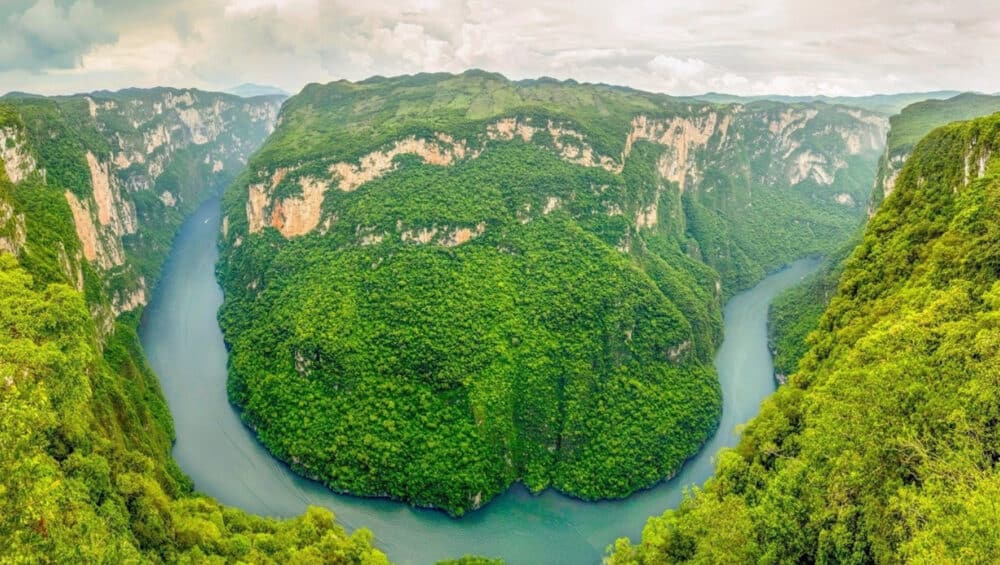
The majestic Cañón del Sumidero, a natural wonder carved by time in the heart of Chiapas.
Introduction to a Natural Masterpiece
Nestled in the vibrant state of Chiapas, Mexico, Cañón del Sumidero stands as a testament to the power of nature’s artistry. This deep gorge, formed over millions of years, offers visitors a glimpse into geological history while providing opportunities for adventure and reflection. What sets this canyon apart is not just its sheer scale but the harmonious blend of dramatic landscapes, rich biodiversity, and cultural significance that draws travelers from around the world.
As you approach the canyon, the first thing that strikes you is the imposing presence of its vertical walls, rising like ancient guardians from the earth. Part of the larger Sumidero Canyon National Park, which spans over 50,000 acres, the canyon itself is a focal point of natural beauty. It’s a place where the Grijalva River weaves through the terrain, creating a pathway for exploration that feels both timeless and inviting.
Whether you’re gliding along the river on a boat tour or gazing from one of the scenic viewpoints, Cañón del Sumidero reveals its uniqueness layer by layer. In this article, we’ll delve into the elements that make this site truly special, from its geological origins to the wildlife that calls it home.
Geological Formation and Impressive Dimensions
The story of Cañón del Sumidero begins around 35 million years ago, during the same era that shaped the Grand Canyon. Cracks in the earth’s crust, combined with the relentless erosion from the Grijalva River, sculpted this narrow fissure into the stunning landmark we see today. Unlike broader canyons, Sumidero’s walls are remarkably steep, reaching heights of up to 1,000 meters in some sections, which creates a sense of enclosure and grandeur.
Stretching approximately 13 kilometers in length, the canyon’s width varies from one to two kilometers, with the river making sharp turns of up to 90 degrees. These dimensions contribute to its unique acoustics and visuals, where sunlight plays across the limestone layers, revealing fossils from ancient seas. The Chicoasén Dam at the northern end, completed in 1981, has formed a 25-kilometer reservoir, adding another layer to the canyon’s hydrological features.
Visitors often marvel at how the canyon separates flat-topped mesas, offering a stark contrast between the depths below and the plateaus above. This geological diversity not only makes it a site of scientific interest but also a perfect backdrop for those seeking to connect with Mexico’s natural heritage.
Iconic Rock Formations and Caves
One of the most captivating aspects of Cañón del Sumidero is its array of rock formations and caves, each telling a story of mineral deposits and water’s sculpting hand. The “Arbol de Navidad” or Christmas Tree formation is a standout, created by cascading waterfalls depositing minerals that are then adorned with moss, resembling a festive tree against the cliff face.
Among the caves, the Cueva de Colores delights with its walls tinted in shades of pink from filtered magnesium, potassium, and other minerals. Nearby, the Cueva de Silencio lives up to its name by absorbing sound, creating an eerie quietude that contrasts with the river’s flow. A seahorse-shaped stalactite in another cave adds to the whimsical natural sculptures found here.
These features are best appreciated during boat rides, where guides point out the subtleties of the canyon’s interior. With thirty rapids, five waterfalls, three beaches, and two freshwater springs, the canyon’s landscape is a dynamic mosaic that rewards attentive explorers.
Rich Biodiversity and Wildlife
Cañón del Sumidero is a haven for biodiversity, hosting a variety of ecosystems due to its varying microclimates along the cliffs. The national park protects endangered species such as the American crocodile and the Central American river turtle, which can often be spotted basking on the riverbanks.
Birdwatchers will appreciate the flocks of herons, cormorants, vultures, and kingfishers soaring above, while howler monkeys provide an auditory backdrop with their calls echoing through the canyon. On rarer occasions, glimpses of jaguars, pumas, or ocelots add an element of excitement. Endemic species like the mushroom tongue salamander, Mexican cuija, Canelo hummingbird, and Spotted toad further highlight the area’s ecological uniqueness.
The lush vegetation lining the walls supports this wildlife, creating a vibrant tapestry of life. This biodiversity not only enriches the visitor experience but also underscores the importance of conservation in this Ramsar-designated wetland of international importance.
The Grijalva River and Boat Tours
At the heart of the canyon flows the Grijalva River, a vital artery that has shaped the landscape and now offers one of the best ways to experience it. Boat tours depart from points like Chiapa de Corzo, taking passengers on a journey through the gorge, passing under highways and alongside towering walls.
These excursions provide close-up views of the formations and wildlife, with the river’s turns revealing new perspectives at every bend. The presence of the Chicoasén Dam adds a modern contrast, as the reservoir’s calm waters reflect the cliffs. For many, this river voyage is the quintessential way to appreciate the canyon’s scale and serenity.
With standard visiting hours and a modest entry fee for the park, these tours are accessible, allowing travelers to immerse themselves in the natural rhythm of the Grijalva.
Scenic Viewpoints and Hiking Opportunities
For those preferring a land-based perspective, the canyon’s miradores or viewpoints offer panoramic vistas that capture the full majesty of the site. Accessible by road, these spots like Mirador de la Cruz and Mirador de los Chiapanecos provide sweeping views of the river snaking through the gorge below.
Hiking trails wind through the park, leading to these overlooks and allowing for a more intimate connection with the terrain. The five main miradores—El Tepehuaje, El Roblar, La Ceiba, La Coyota, and Los Chiapa—each offer unique angles, with some featuring photo exhibitions or souvenir stands.
These elevated positions highlight the canyon’s depth and the contrast between the verdant cliffs and the blue river, making them ideal for photography and contemplation.
Cultural and Historical Significance
Beyond its natural allure, Cañón del Sumidero holds cultural importance, featured on the coat of arms of Chiapas as a symbol of the state’s rugged beauty. Indigenous legends and historical events are tied to the canyon, including tales of the Chiapa people’s resistance during the Spanish conquest.
The site’s nomination as one of the New Seven Natural Wonders reflects its global recognition, while its role in local identity fosters a sense of pride among Chiapanecos. Visitors can feel this connection in the nearby towns, where traditions blend with the natural surroundings.
This cultural layer adds depth to the experience, reminding us that the canyon is not just a geological feature but a living part of Mexico’s heritage.
Conservation Efforts and Visitor Tips
Preserving Cañón del Sumidero requires ongoing efforts to protect its ecosystems from threats like pollution and habitat loss. The national park status helps safeguard the area, promoting sustainable tourism that benefits both nature and local communities.
When planning a visit, consider combining a boat tour with time at the miradores for a comprehensive view. Dress comfortably, bring sun protection, and respect the environment by following park guidelines. With its unique blend of features, Cañón del Sumidero promises an unforgettable journey into the heart of Chiapas.
As you leave, the canyon’s echoes linger, inviting you to return and discover even more of its secrets.
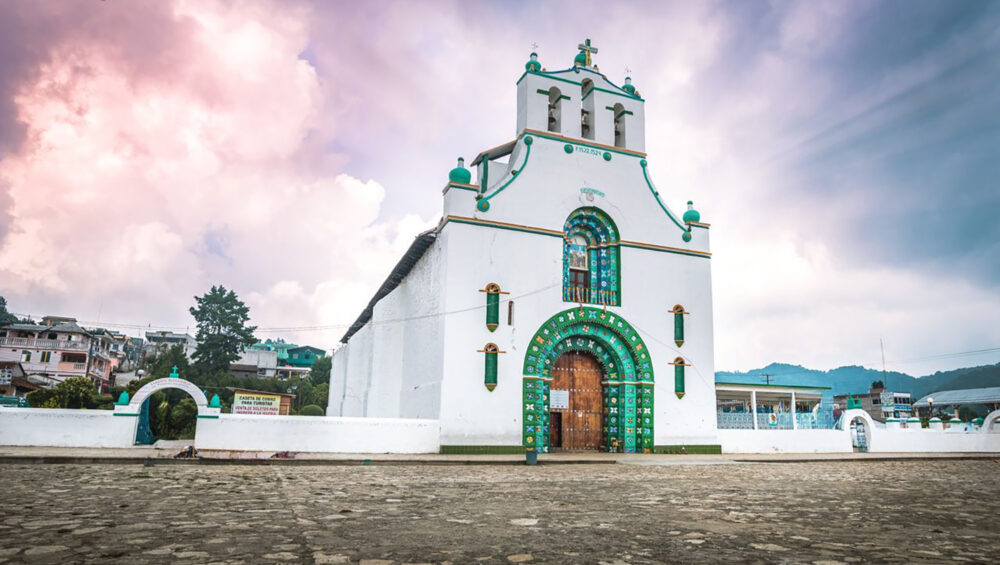
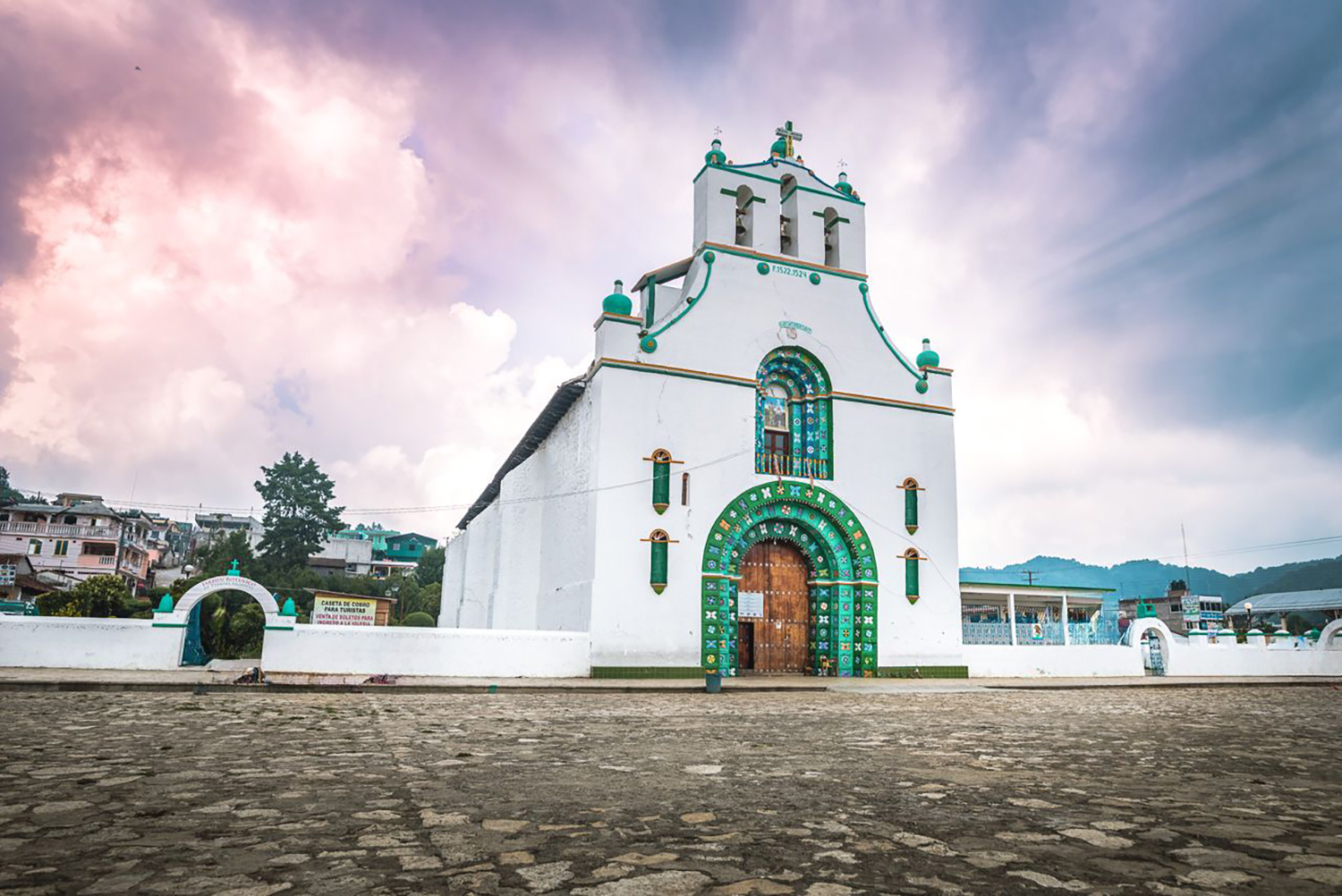
San Juan Bautista Church, the spiritual center of San Juan Chamula.
Why San Juan Chamula asks for a different kind of tourism
In the Chiapas highlands outside San Cristobal de las Casas, San Juan Chamula is not a theme stop or a quick photo opportunity. It is a Tzotzil Maya community with a strong tradition of local governance and ritual life that visitors are allowed to witness only on the town’s terms. Many travelers pass through southern Mexico on longer itineraries that include Oaxaca and Chiapas, but Chamula is a place where your behavior matters more than your checklist.
The simplest way to visit respectfully is to shift your goal from capturing to understanding. Move slowly, keep your voice low, and assume that some spaces are not for you, even if they are physically open. That mindset will make every other etiquette rule feel natural instead of restrictive.
Respect begins with autonomy and local rules
Chamula is often described as an autonomous municipality that follows indigenous customs and community authority in daily life. Visitors will notice this in the way rules are enforced locally and in the expectation that outsiders comply without debate. Treat posted signs, staff instructions, and community requests as non-negotiable, even when they differ from what you have seen elsewhere in Mexico. :contentReference[oaicite:0]{index=0}
If you are unsure what is permitted, choose the conservative option. Do not enter private areas, do not interrupt rituals, and do not approach people as if they are part of an attraction. A respectful distance is not coldness here, it is good manners.
Inside the church: observe quietly and do not interfere
The Templo de San Juan Bautista is famous because the interior practice is not a standard Catholic service. Visitors commonly describe a dim space scented with copal incense, with pine needles on the floor and families praying beside candles and offerings. The correct posture as a guest is quiet observation: dress modestly, remove hats and sunglasses, and walk carefully to avoid stepping into someone’s prayer space. :contentReference[oaicite:1]{index=1}
You may see offerings that surprise you, including bottles of soda and local liquor used in household healing rites. Some travel accounts note that burping from carbonation is understood locally as a way to expel harmful influences, and that these offerings can be part of family-led rituals rather than a public ceremony. Whether or not you understand every detail, the respectful response is the same: do not stare, do not comment, and do not perform shock for your travel companion. :contentReference[oaicite:2]{index=2}
Photography is the fastest way to cause harm
The most important practical rule in San Juan Chamula is the ban on photography inside the church, and often around rituals and religious leaders as well. Multiple guides warn that taking photos can lead to immediate confrontation, confiscation of equipment, fines, and detention. Do not test this, and do not assume you can ask for special permission in the moment. :contentReference[oaicite:3]{index=3}
Some visitors and local explanations describe the concern in spiritual terms, including the idea that an image can take something from the person photographed. Even if you frame it differently, the respectful approach is simple: keep your camera put away, especially indoors, and do not lift a phone during prayers or processions. If you want portraits in the market or plaza, ask clearly, accept no the first time, and never sneak a shot. :contentReference[oaicite:4]{index=4}
Market and cemetery etiquette
The plaza and market are social spaces, not just places to shop. When you browse textiles or souvenirs, keep your body language calm and friendly, and remember that bargaining is not a game when items represent hours of labor. A fair price and a respectful goodbye matter more than winning a discount, and a simple “No, gracias” is enough if you are not buying.
Chamula’s cemetery is also a living place, where families return to graves for remembrance and offerings, especially around Day of the Dead. Stay on paths, do not step on grave mounds, and keep distance if you encounter a family gathering. If you would not photograph a private moment at home, do not photograph it here.
Getting there from San Cristobal and staying safe
Most visitors reach San Juan Chamula as a day trip from San Cristobal de las Casas, either by shared transport (colectivos) or taxi. If you go independently, plan to return before dark, carry small bills for local fees, and keep your passport stored securely while carrying a copy. If you prefer more context and less uncertainty, a reputable local guide can help you follow protocol without guessing.
More broadly, remember that travel advisories for Mexico often include state-by-state guidance and may change over time. Review official advice before your trip and use standard precautions like daylight travel, staying on main routes, and avoiding sensitive areas. :contentReference[oaicite:5]{index=5}
The respectful guest mindset
A respectful visit to San Juan Chamula is cultural diplomacy at human scale. You are stepping into a community that has protected its spiritual life through centuries of pressure, and that protection is still active today. If a rule feels strict, treat it as a boundary that keeps something meaningful intact.
Leave with fewer photos and more understanding. If you do, you will have supported the town’s right to define how it is seen, and you will have experienced one of the most distinctive cultural landscapes in southern Mexico with the care it deserves.
What is the difference between mezcal artesanal and ancestral in Oaxaca?
Gabriel Sánchez · January 7, 2026
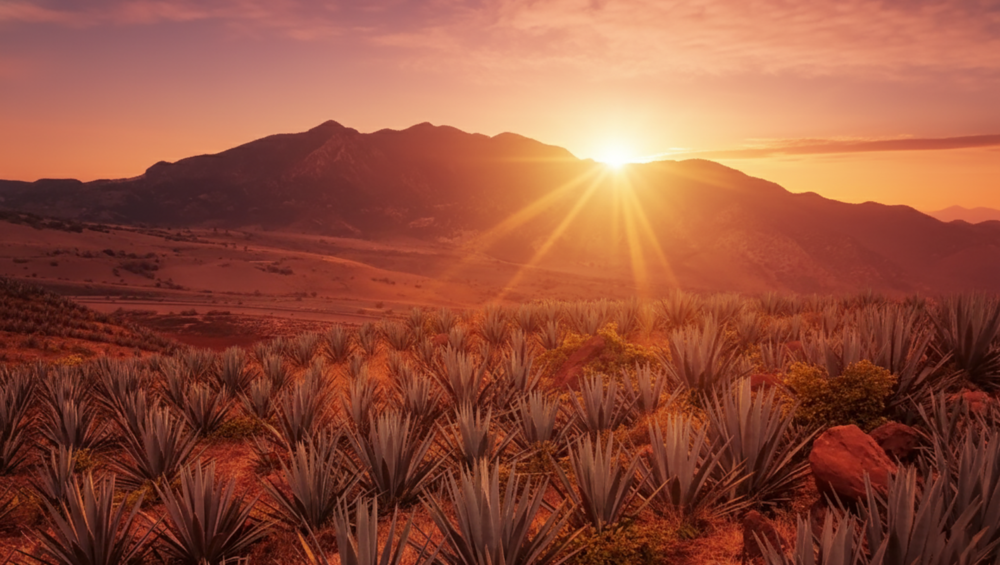
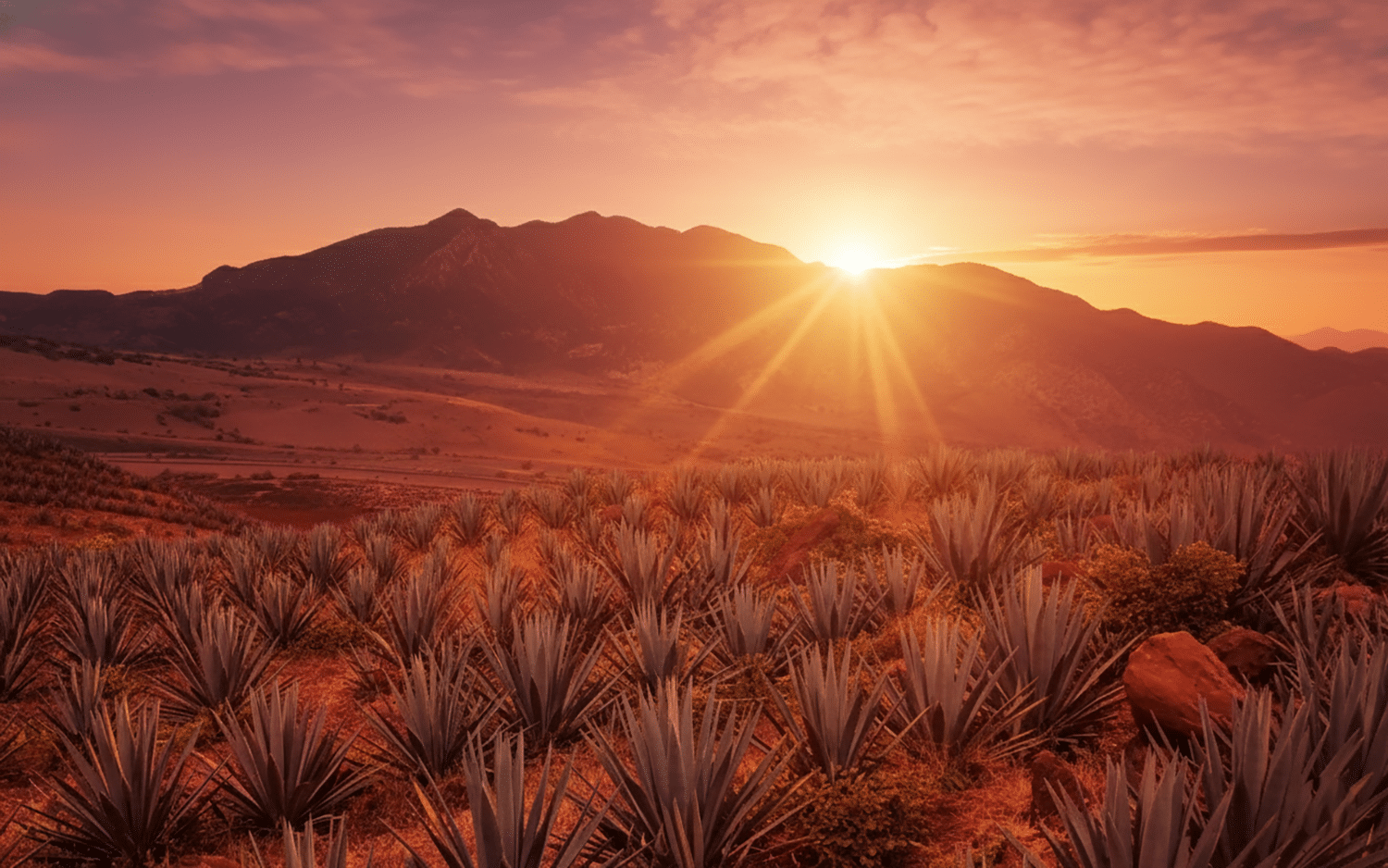
A day among agaves is the easiest way to understand why mezcal feels so tied to place in Oaxaca.
Two words you will keep seeing in Oaxaca
If you are mapping out a mezcal-focused trip to Oaxaca, you will notice that many bottles highlight one of two categories: artesanal or ancestral. They can look like marketing language at first glance, but they are actually regulated terms with specific production rules. In Mexico, mezcal that is certified for sale follows the official standard known as NOM-070, which defines how categories are labeled and how mezcal is made. That means the words on the label are meant to tell you something concrete about the tools and methods used to transform agave into spirit.
A helpful way to approach these categories is to think in terms of process, not prestige. Both categories can be excellent, and both can express the agave and the landscape with clarity. The difference is the production pathway: artesanal allows a wider range of traditional equipment, while ancestral is the most restrictive category and requires specific, older-style techniques. Once you know what the rules imply, the words start to feel like a map for your palate and your itinerary.
What NOM-070 actually guarantees
NOM-070 is the Mexican standard that sets definitions for mezcal categories and establishes technical requirements for production and labeling. It outlines three categories, including Mezcal Artesanal and Mezcal Ancestral, and it also sets parameters like the allowed bottling strength range for mezcal sold as mezcal, which is generally between 35% and 55% alcohol by volume. In other words, the standard is designed to make sure that certified mezcal is verifiable and consistent with the category named on the bottle. When you see artesanal or ancestral on a label, it is meant to reflect a defined set of steps and equipment, not just a brand story.
This matters for travelers because many palenques in Oaxaca are small, family-run operations, and the category provides a shared language between producer and visitor. You do not need to memorize technical tables to enjoy mezcal, but it helps to know that the rules focus on four main stages: cooking, milling, fermentation, and distillation. The most noticeable differences between artesanal and ancestral tend to show up at milling and distillation, because the allowed tools change the pace, the yield, and often the texture in the glass. Think of the label as your first clue about what happened inside the palenque.
Mezcal artesanal: Traditional foundation with flexible tools
Artesanal is the category you will encounter most often, both in Oaxaca and abroad, largely because it balances tradition with practical production. Under NOM-070, artisanal mezcal is still rooted in classic steps like pit cooking and open fermentation in natural vessels such as wood, clay, stone, earth, or animal skins, depending on the producer. For milling, artisanal production can use hand tools like mauls, a tahona (the stone wheel many travelers love to photograph), or other traditional mills. For distillation, artisanal rules allow direct fire and stills made of copper or clay, with different options for coils and condensers.
In the glass, artesanal mezcal is often described as clear and expressive, especially when the producer uses copper pot stills. Many drinkers experience brighter aromatics and a more defined separation of flavors, although the final profile always depends on agave species, fermentation, cuts, and the decisions of the maestro mezcalero. Smoke can be present, but it does not have to dominate, and good artesanal mezcal often emphasizes roasted agave sweetness, herbal notes, and a clean finish. If you are just beginning to explore mezcal, artesanal is usually the easiest category to compare across producers because it is widely available and offers a broad range of styles.
Mezcal ancestral: The most restrictive, time-intensive path
Ancestral mezcal is often described as a liquid time capsule, and the reason is straightforward: the category is tightly defined. Under NOM-070, ancestral mezcal requires cooking the agave in stone pits, and distillation must be done with direct flame in a clay pot still, using coils made of clay or wood. Milling is also restricted to traditional options like mauls and classic mills, rather than modern industrial systems. These requirements make production slower and more labor-intensive, and they also limit batch size because clay pot stills are typically small compared with larger metal setups.
The sensory experience of ancestral mezcal is often described as deeper and earthier, with a mouthfeel that can feel broader or more textured. Part of that impression can come from the way clay interacts with heat and the distillation environment, as well as the fact that NOM-070 allows the process to include bagazo, meaning agave fiber, during fermentation and distillation. That said, it is best to treat tasting notes as tendencies, not promises. Within the ancestral category, one producer may deliver gentle floral notes while another leans into cacao, wet stone, or savory herbs, and both can be faithful to the same rules.
A practical distillery checklist for your route planning
Cooking: Both artesanal and ancestral center on pit-roasting in earthen or stone-lined ovens, but ancestral specifically requires stone pits, while artesanal can also use elevated stone basins under the standard. Milling: Artesanal commonly uses a tahona or hand tools, while ancestral is restricted to traditional options like mauls and classic mills. Fermentation: Both categories rely on natural or traditional containers such as wood or clay, and the process may include bagazo or agave fibers. Distillation: Artesanal can use copper or clay stills with direct fire, while ancestral requires a clay pot still with direct fire and traditional coils.
If you want to taste the categories side by side, look for a tasting flight that explicitly shows the production method, not just the agave name. Many mezcal bars and tasting rooms in Oaxaca City can walk you through what the label means, and a good host will happily explain the still type and the milling method. When you visit a palenque, you can usually see the differences immediately because the equipment is visual: the shape of a clay pot still, the presence or absence of copper, and whether a stone wheel is in use. Those details make the category feel less abstract and more connected to a specific family and place.
Where to taste: Matatlán and Santa Catarina Minas
For many travelers, Santiago Matatlán is a natural first stop because it is widely known for mezcal production and sits roughly east of Oaxaca City on a route that many drivers know well. You will find a busy mezcal scene there, with producers and tasting spaces that range from very small palenques to more visitor-friendly experiences. It is a great place to explore the artesanal category because you can often see a variety of setups and compare how different producers interpret tradition. If your goal is to learn quickly, Matatlán offers density: many options in a small area.
Santa Catarina Minas is frequently associated with clay pot distillation and is often cited as a center for ancestral-style methods. The pace can feel quieter and more intimate, and visits often feel more like being welcomed into a working space than walking into a formal tasting room. Producers such as Real Minero and Lalocura are well known among mezcal enthusiasts, and both have shared public information about working with clay pot distillation in Santa Catarina Minas. Wherever you go, it is smart to contact producers in advance or go with a guide, since many palenques operate on family schedules rather than fixed visitor hours.
Getting there and tasting well
In practice, many travelers reach mezcal villages by a mix of shared transport, taxis, and private drivers, depending on time and comfort. Shared rides and vans can be affordable and authentic, but schedules and fares change, and return trips can be less predictable later in the day. A private driver can make it easier to connect multiple villages and keep your day relaxed, especially if you plan tastings in more than one place. If you choose this route, ask about licensing, insurance, and whether the driver is comfortable waiting while you visit a palenque.
Once you are tasting, a small shift in mindset makes the experience better: mezcal is built for slow sips, not quick shots. You may hear locals describe a tasting sip as a kiss, and the idea is to take a small amount, let it rest on your tongue, and breathe as you taste. Many hosts serve orange slices and sal de gusano (worm salt) as a traditional palate reset, but it is also fine to taste the spirit neat first to understand its natural profile. Pace yourself, drink water, eat beforehand, and plan transportation as if you will not be driving, because the goal is to learn and enjoy, not to push your limits.
Choosing between polished and profound
Artesanal and ancestral are not a ranking system, they are two different ways of describing how mezcal was made. Artesanal is often a bright entry point with a wide range of flavor styles and more frequent availability, while ancestral can feel more rare, more hands-on, and more tied to small-batch constraints. Ancestral bottles also tend to cost more in many markets, not because of a magic label, but because the methods require smaller equipment, more manual work, and often more risk per batch. If your suitcase has limited space, consider bringing one bottle that represents each category, then write down the palenque, the agave, and the village so you can remember the story behind it.
Most importantly, let the category guide your curiosity, not your expectations. Ask to see the still, ask how the agave was milled, and ask what the producer wants you to notice in the aroma. Oaxaca rewards slow attention, and mezcal is one of its most precise languages of place. Whether you fall for the clarity of artesanal or the earthy depth of ancestral, you will be tasting a tradition that is both regulated and deeply human. Ready for a taste? Let’s go!
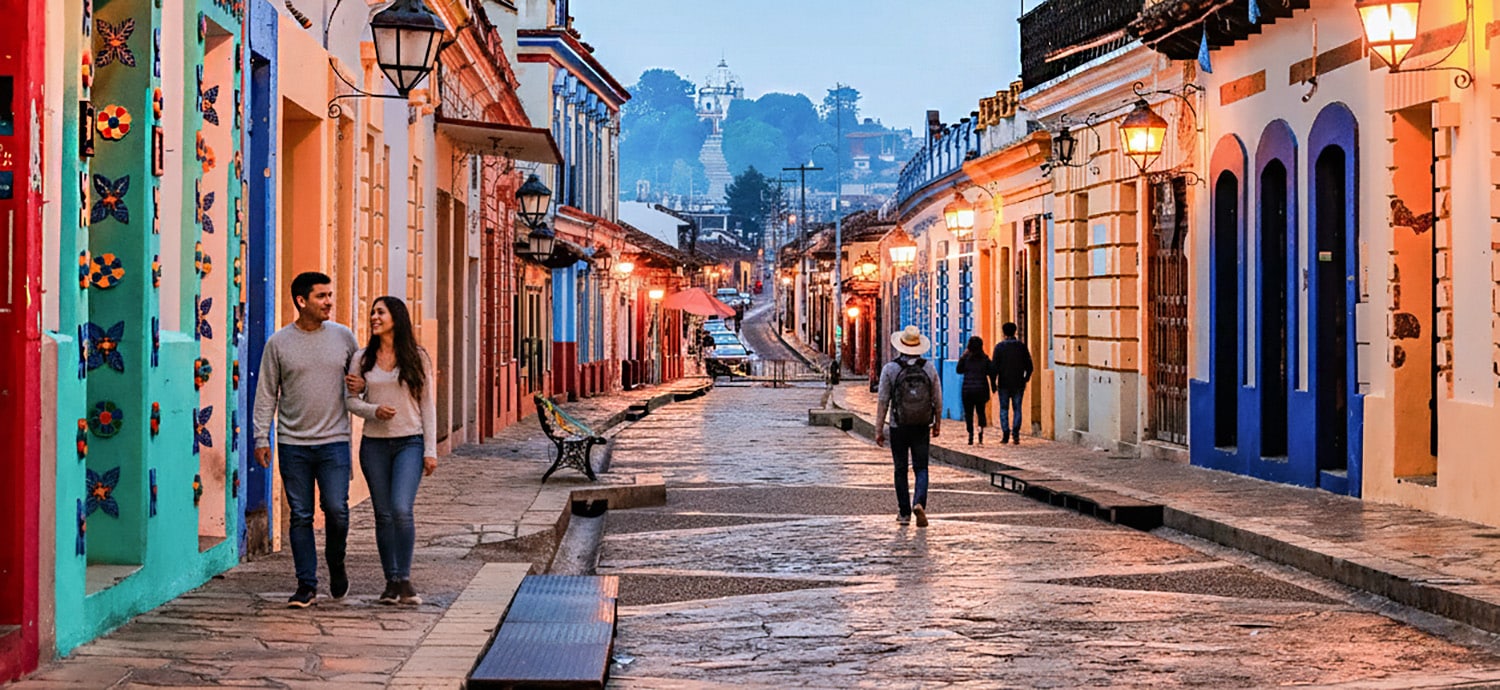
Vibrant streets of San Cristobal de las Casas welcome visitors to Chiapas.
Introduction to Chiapas
Chiapas, located in southern Mexico, is a state rich in natural beauty, ancient history, and diverse cultures. From the misty highlands of San Cristobal de las Casas to the lush jungles surrounding the Mayan ruins of Palenque, Chiapas offers a variety of experiences for travelers. The region’s landscapes include towering waterfalls, deep canyons, and serene lakes, all intertwined with indigenous traditions that have been preserved for centuries.
Planning a trip to Chiapas involves considering the weather, as it can greatly influence your activities and overall enjoyment. The state experiences a tropical climate with distinct dry and wet seasons, affecting everything from hiking trails to river tours. Understanding these patterns helps ensure a memorable visit.
Whether you are drawn to the archaeological sites, the vibrant markets, or the natural wonders, timing your visit appropriately can enhance your connection to this enchanting part of Mexico. Let us explore the seasons to find the best fit for your adventure.
Understanding the Climate in Chiapas
Chiapas has a varied climate due to its diverse topography, ranging from coastal areas to high mountains. The state is generally warm and humid, but temperatures can differ significantly between regions. In the highlands, such as around San Cristobal, daytime highs are often in the low 20s Celsius, while the lowlands near Palenque can reach the low 30s Celsius.
The year is divided into a dry season from November to April and a rainy season from May to October. During the dry period, rainfall is minimal, making it ideal for outdoor explorations. In contrast, the rainy season brings frequent showers, which can make some areas lush but also lead to slippery paths and swollen rivers.
Humidity levels remain high throughout the year, but the dry season offers more comfortable conditions for activities. Travelers should also note that hurricanes can occasionally affect the region during the wet months, though Chiapas is somewhat sheltered compared to coastal areas.
The Dry Season: November to April
The dry season is widely regarded as the optimal time to visit Chiapas. With less rainfall and pleasant temperatures, this period allows for unrestricted access to many attractions. From November to February, the weather is cooler and more comfortable, especially in the highlands, where you might need a light jacket for evenings.
March to April sees warmer temperatures, sometimes exceeding 40 degrees Celsius in lowland areas, but the lack of rain keeps activities enjoyable. This is a great time for visiting sites like the Sumidero Canyon or the waterfalls of Agua Azul, where water levels are manageable for swimming and boating.
Crowds tend to peak during December and January, coinciding with holidays, so booking in advance is advisable. The clear skies and mild weather make it perfect for photography and long days of exploration.
In the highlands, the dry season brings vibrant festivals and markets to life without the interruption of rain. Travelers can immerse themselves in local culture, tasting traditional foods and witnessing artisan crafts in comfortable conditions.
The Rainy Season: May to October
The rainy season transforms Chiapas into a lush, green paradise, but it comes with challenges. Heavy afternoon showers are common, which can make some roads impassable and increase the risk of flooding in certain areas. However, this period offers fewer tourists and lower prices on accommodations and tours.
The vegetation is at its most vibrant, with waterfalls flowing powerfully and jungles teeming with life. For nature enthusiasts, this can be a rewarding time, though flexibility in plans is essential due to weather variability.
September and October often see the heaviest rains, so if visiting during these months, focus on indoor activities or urban explorations in places like Tuxtla Gutierrez. Always check local forecasts and road conditions before setting out.
Despite the rain, many attractions remain open, and the reduced crowds allow for a more intimate experience with the sites. Pack rain gear and be prepared for spontaneous changes in itinerary.
Best Time for Specific Activities
For exploring Mayan ruins like Palenque or Yaxchilan, the dry season from November to April is ideal, as the paths are drier and more accessible. The cooler months of November to February are particularly suitable for hiking in the jungles without excessive heat.
Water-based activities, such as boating in the Sumidero Canyon or swimming in cenotes, are best during the dry season when water levels are stable. In the rainy season, these can become too turbulent.
Cultural festivals, like the Guelaguetza in nearby Oaxaca or local indigenous celebrations in Chiapas, often occur in the dry months, providing rich experiences. Birdwatching and wildlife spotting are enhanced in the rainy season when animals are more active.
If budget is a concern, the shoulder months of May or October offer a balance between weather and cost, with moderate rains and fewer visitors.
Practical Tips for Visiting Chiapas
Regardless of the season, pack layers to accommodate varying temperatures between highlands and lowlands. Sunscreen, insect repellent, and comfortable walking shoes are essentials for any trip.
Stay hydrated, especially in warmer months, and consider altitude when planning activities in higher elevations. Respect local customs and communities, particularly in indigenous areas, by dressing modestly and asking permission before photographing people.
Transportation options include buses, collectivos, and tours; renting a car provides flexibility but requires caution on winding roads. Always verify current conditions, as weather can change rapidly.
For the most enjoyable visit, align your interests with the season’s strengths. Whether seeking adventure or relaxation, Chiapas has something to offer year-round.
In the end
Chiapas captivates with its blend of nature, history, and culture, and choosing the right season enhances the experience. The dry months provide the most reliable weather for exploration, while the wet season offers unique beauty for those willing to adapt.
Ultimately, the best time depends on your preferences and activities. Plan accordingly, and you will discover the magic of this Mexican state.
Note that weather patterns can vary, and it is wise to check recent forecasts before traveling. So come and join us on our next trip to Chiapas here and let us guide your journey in and through beautiful southern Mexico!
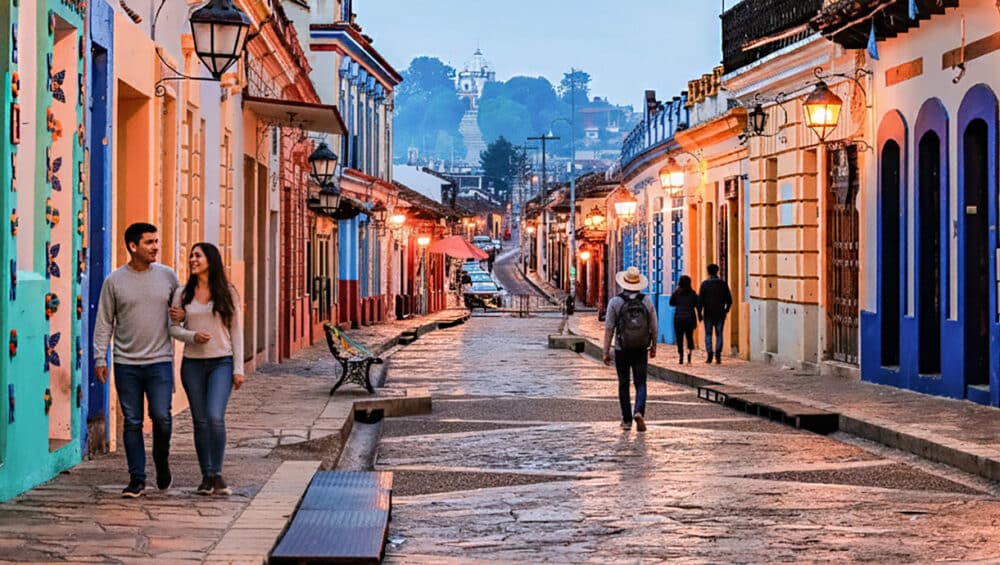
A classic Oaxaca City scene in the historic center.
A warm welcome, with practical awareness
Oaxaca is the kind of place that invites you to slow down. The historic center is made for wandering, the food culture rewards curiosity, and the city’s daily rhythm feels more human than hectic. For solo travelers, that is a real advantage, because safety often improves when you are calm, present, and not rushing from one place to the next.
The honest answer to “Is it safe?” is yes, for most visitors who stick to normal travel routines and avoid risky situations. But Oaxaca is still a busy city, and smart habits matter. If you treat it like any other popular destination, you will usually find it welcoming, navigable, and comfortable for solo travel.
What official advisories say about Oaxaca
If you like to ground your decisions in official guidance, start with current travel advisories. U.S. guidance commonly lists Oaxaca state under “exercise increased caution,” while also noting that there are no travel restrictions for Oaxaca City, Monte Alban, Puerto Escondido, or Huatulco. In the same guidance, some specific road and regional limitations are highlighted for U.S. government employees, which is a useful reminder to plan routes thoughtfully if you are exploring beyond the main tourist areas.
The practical takeaway for solo travelers is simple. In the city and major visitor zones, focus on everyday urban safety, not fear. When traveling farther afield, confirm routes, avoid late night road trips, and ask your hotel or host for the most sensible transportation options for that day.
Choosing a home base that feels easy
Where you stay shapes how confident you feel, especially when you are traveling solo. For most visitors, a central location makes the trip smoother because you can walk to museums, markets, and restaurants without relying on long rides. It also means you are more likely to be on well lit streets with other people around in the evening.
The Centro Historico is the most convenient base for first timers because it keeps you close to the Zocalo area and the main pedestrian corridors. Jalatlaco is a popular option if you want a quieter, residential feel while still being close to the center. Xochimilco is another classic neighborhood for daytime walks and a more local pace, especially if you enjoy street art, small cafes, and traditional corners of the city.
Getting around with confidence
Oaxaca City is compact, and walking is one of the best ways to discover it. In the daytime, that walkability is part of what makes the city comfortable for solo travelers. At night, a simple rule keeps things easy: if it is late, take a taxi instead of walking, even if the distance feels short.
Many travelers use app based rides for an extra layer of trip tracking and clearer pricing. In Oaxaca, DiDi has publicly described a local partnership model with traditional taxi drivers, which is why it can feel like a bridge between the taxi system and the convenience of an app. During the day, buses and shared vans can be a practical way to move around, and they are commonly used by locals and visitors alike for straightforward trips.
Solo dining feels natural in Oaxaca
Dining alone can feel intimidating in some places, but Oaxaca tends to make it easy. Markets are especially friendly because the experience is built around casual counters, shared tables, and quick conversations. If you want a low pressure lunch, a market meal lets you eat well without the formality of a long sit down service.
Cafes are another gentle social anchor for solo travelers, particularly if you are working remotely or simply want a familiar daily routine. A good cafe gives you a safe place to pause, check maps, and plan the next stop without standing on the street with your phone out. Over a few days, you may notice that familiar faces return, and that repeated small interactions can make the city feel like a community.
A realistic solo safety checklist
Keep your phone use discreet. In many cities, the most common tourist problem is a quick snatch from a distracted hand. If you need to check directions, step into a shop, a hotel lobby, or a cafe, then continue your walk.
Use ATMs inside banks when possible, ideally during daylight hours. For late arrivals, ask your hotel about the easiest and most straightforward way to get from the airport to your accommodation, and keep your first night simple. When you are tired, decision making is weaker, and simple plans are safer plans.
Take food and water precautions seriously. Public health guidance for Mexico commonly advises that tap water is not safe to drink, and it also recommends being thoughtful with ice in places where clean water access is limited. If you carry a reusable bottle, refill it with purified or filtered water.
Finally, avoid illegal drugs and any situation that revolves around them. For travelers, that single choice often separates normal city risk from genuinely dangerous scenarios. Respect local customs, trust your instincts, and leave any place that feels off, even if you cannot explain why.
Why solo travel in Oaxaca is worth it
Oaxaca has a strong sense of shared life. A concept many visitors feel here is guelaguetza (reciprocity), the idea that community is built through giving and mutual support. When you show respect for the place, you often receive warmth in return, whether that is help with directions, a vendor explaining a dish, or a small conversation that turns your day around.
Solo travel also sharpens your senses. You notice the aroma of corn tortillas, the details in a carved stone facade, and the sound of music drifting from a neighborhood rehearsal. With basic urban awareness and a willingness to move at the local pace, Oaxaca is not just doable alone. It is one of the most rewarding places in Mexico to travel solo.
If you want an easy start, take a walking tour on day one to learn the layout and get oriented. For weather, many travelers prefer the drier months that typically fall between November and April, when days are bright and plans are less likely to be interrupted by rain.