What local foods is Mérida famous for?

What local foods is Mérida famous for?
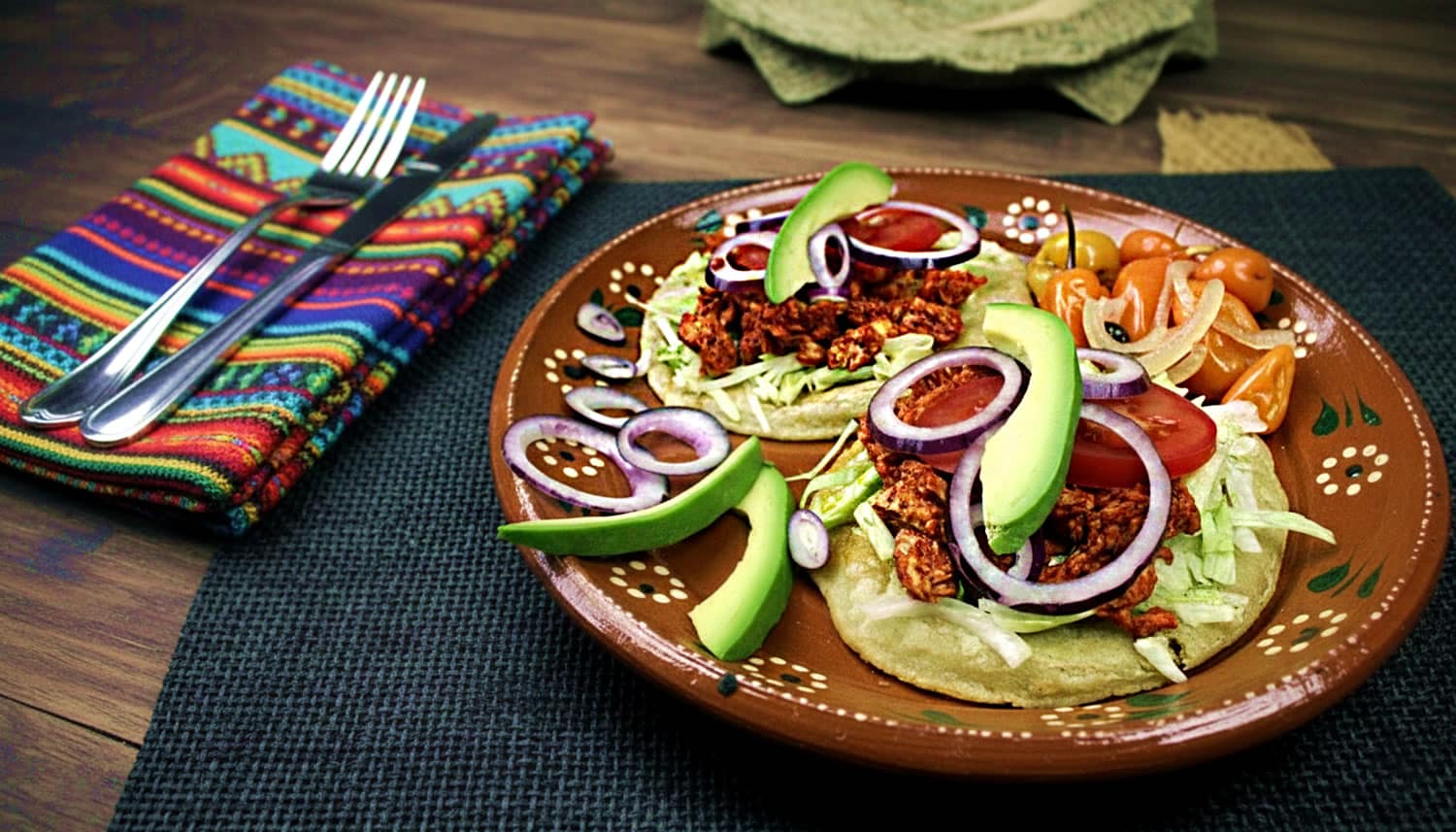
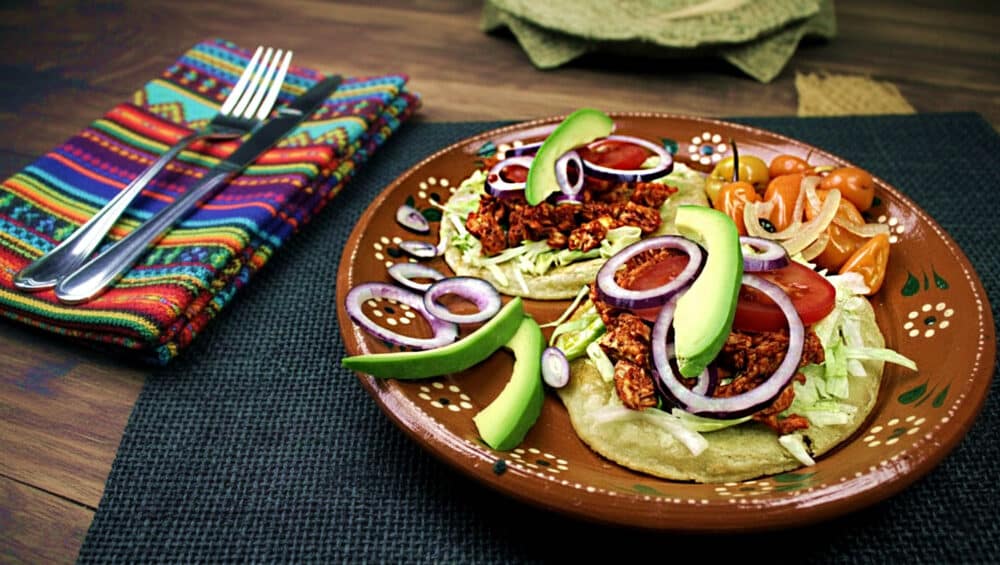
A street food stand in Mérida with tortillas, salsas, and local Yucatecan toppings ready to serve
Mérida is one of those cities where the best meal can come from a market stall or a family kitchen.

Why Mérida tastes different

Mérida sits at the heart of Yucatán, and its food carries a very specific identity. You will notice the color and aroma of achiote, the bright acidity of sour orange, and the steady presence of habanero on the table. You will also see ingredients that surprise people on a first visit, like Edam cheese in traditional dishes, and chaya, a local green that shows up in drinks and home cooking. The result is a cuisine that feels both deeply rooted and quietly global, shaped by Maya tradition and centuries of trade and migration.

The easiest way to eat like a local is simple: follow the timing. Mérida has a strong market breakfast culture, a serious midday meal, and a late afternoon wave of street snacks that people share with family or friends. If you pace your day that way, the city basically feeds you on schedule.

Market and street classics you should not skip

These are the foods you will see again and again in downtown markets, neighborhood parks, and late afternoon snack spots. If you try only a few things, start here.

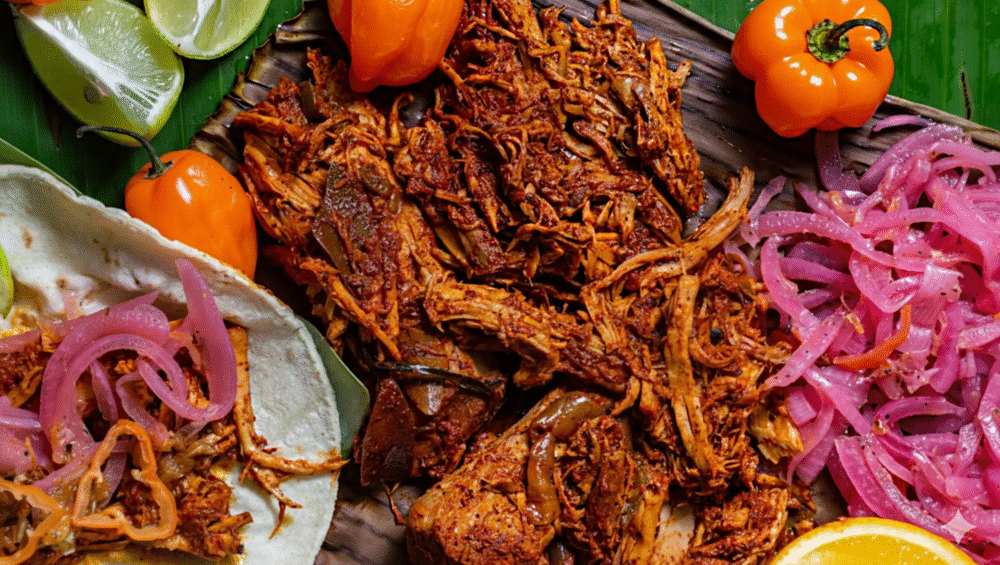
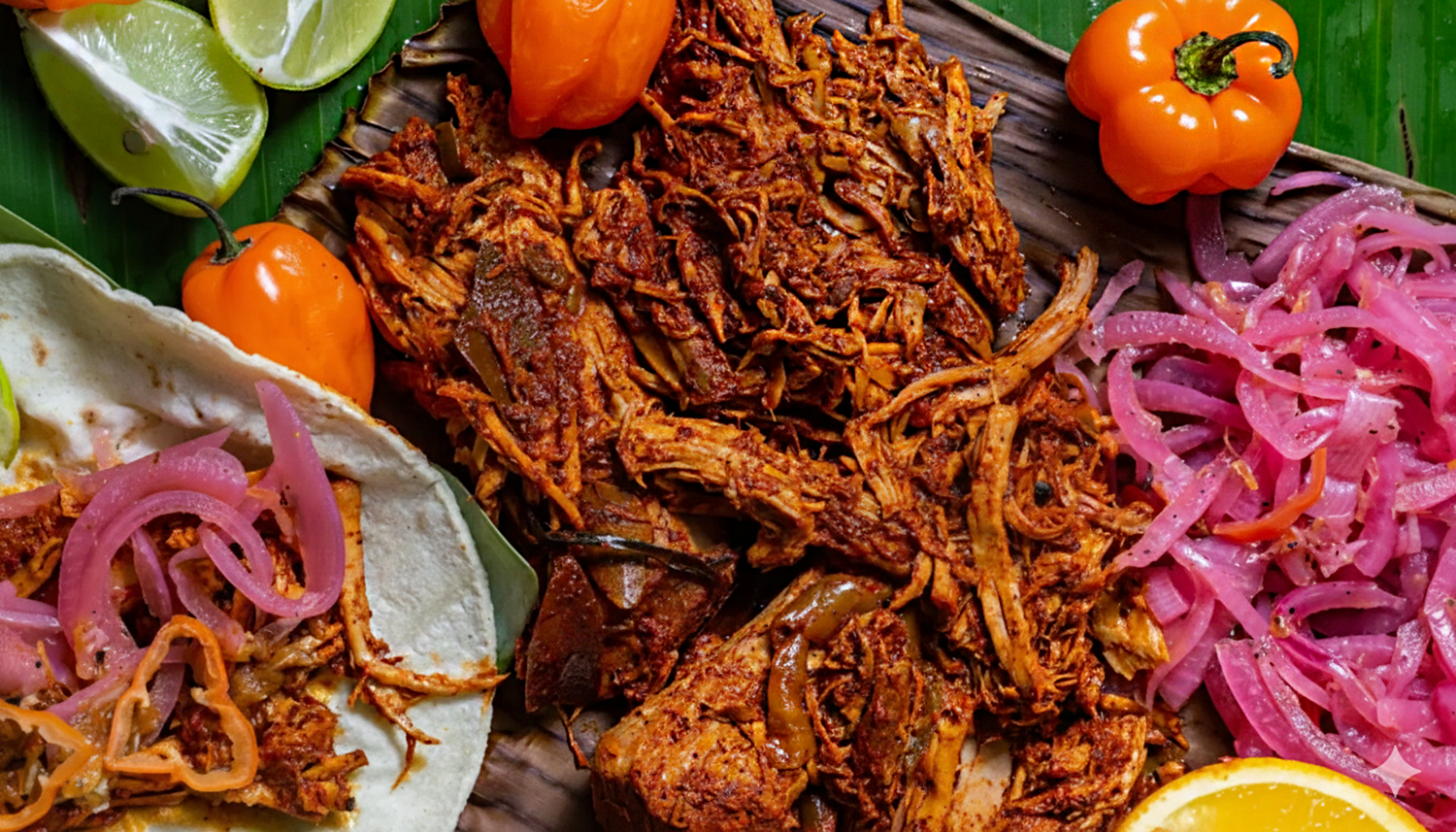
  • Cochinita pibil: Achiote and citrus seasoned pork cooked until tender, usually served with pickled red onions and salsa on the side.
  • Panuchos: Fried tortillas with refried black beans inside, topped with meat, onion, and avocado.
  • Salbutes: Lightly fried, puffed tortillas topped with turkey or chicken, lettuce, tomato, onion, and avocado.
  • Kibis: Crispy Yucatecan street snack with Lebanese roots, popular as an easy grab and go bite.

A practical move is to order a mixed plate of panuchos and salbutes, then add cochinita pibil as your main. You get contrast, variety, and the feeling that you understood the assignment.

Slow cooked plates that define Yucatán cuisine

Mérida is famous for dishes that take time, the kind of food that makes you slow down and commit to a proper sit down meal. These are the plates that locals grow up with, and visitors remember.

  • Relleno negro: A rich turkey and pork stew with a deeply toasted chile base, often called chilmole.
  • Queso relleno: Edam cheese, often called queso de bola, stuffed with a savory mixture and served with sauces.
  • Poc chuc: Citrus marinated pork grilled over charcoal, usually served with onions, tortillas, and beans.

If you want one meal that feels unmistakably Yucatán, pick relleno negro or queso relleno. If you want something clean and smoky that still feels local, go for poc chuc.

Breakfast favorites and daytime comfort foods

Mérida does breakfast with confidence, and it also does midday comfort foods that make sense in warm weather. These are excellent on your first day when you are walking a lot and need real fuel.

  • Huevos motuleños: Eggs served over tortillas and beans with a tomato based sauce, sometimes with additions like ham, peas, or plantain.
  • Sopa de lima: A bright, citrusy soup often served with shredded meat and tortilla strips.

Huevos motuleños is the kind of breakfast that can carry you through a full day of exploring. Sopa de lima is the kind of lunch that feels comforting without being heavy.

Sweet snacks and local drinks

Mérida’s sweets are not just desserts, they are part of the city’s evening rhythm. People stroll, talk, and snack, and the best treats tend to show up when the sun is lower.

  • Marquesitas: Crispy rolled crepes, often combining something sweet with Edam cheese for a salty contrast.
  • Dulce de papaya: Papaya cooked in syrup until tender, commonly served with cheese.
  • Agua de chaya: A refreshing drink made with chaya leaves, often blended with pineapple or citrus.

If you try only one sweet, make it a marquesita at night. It is local, it is memorable, and it has a talent for turning skeptics into repeat customers.

How to order like a local, without setting your mouth on fire

In Mérida, habanero is not a decoration. If you love heat, you will be happy. If you do not, you can still eat extremely well, just be intentional. Ask for salsa on the side, try a tiny amount first, and let citrus and pickled onions do their balancing act.

A simple strategy is to order a mixed plate of panuchos and salbutes, then choose one main dish like cochinita pibil or poc chuc. If you are with friends, share a few dishes. Yucatán food is built for communal eating, and it also prevents the classic problem of choosing one thing when you wanted three.

A practical first day food plan in Mérida

If you want a no stress plan, do this. Start your morning with huevos motuleños, then save lunch for a sit down dish like relleno negro, queso relleno, or sopa de lima. In the late afternoon, switch to street snacks like panuchos and salbutes, and finish the night with a marquesita and an agua de chaya if you want something refreshing. It hits the classics and keeps your day simple.

Mérida rewards curiosity and repetition. If you try cochinita pibil twice from two different places, you will notice differences in seasoning, texture, and accompaniments. That is part of the fun. Just pace yourself and hydrate, because Mérida is generous and your appetite will be, too. Ready for a trip? Contact me here!
Is Puebla, Mexico Worth Visiting?

Is Puebla, Mexico Worth Visiting?

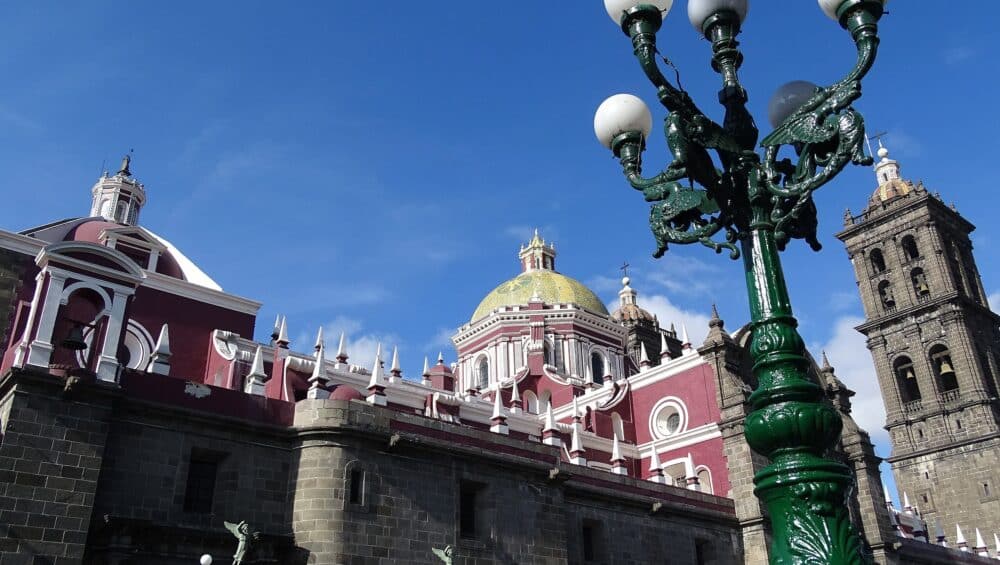
The towers and domes of Puebla Cathedral rising above the historic center, with an ornate streetlamp in the foreground.
Puebla’s cathedral anchors a historic center that feels made for long walks and slow afternoons.
 

The honest answer

Yes, Puebla is worth visiting, and not as a quick checkbox between Mexico City and somewhere else. It is the kind of city that rewards travelers who like texture: old stone streets, tiled facades, deep flavors, and a daily rhythm that feels more human than hectic. Puebla has enough history to keep architecture lovers busy, enough food to keep everyone happy, and enough nearby sights to keep your itinerary flexible.

If you want a place that feels distinctly Mexican without the constant pressure of crowds, Puebla fits beautifully. It is also a strong base for short trips, so even a few days can feel full without feeling rushed. Think of it as a city where culture is not staged, it is simply lived.

A UNESCO listed historic center that is actually enjoyable

Puebla’s historic center is UNESCO listed, and it is not just a label. The city is built for walking, and the payoff is constant: churches, courtyards, carved stone, and streets lined with colonial era buildings that still function as shops, cafés, and homes. You can spend an entire morning doing nothing more ambitious than wandering and still feel like you learned something.

A highlight is the use of Talavera style tilework, which gives Puebla a signature look. You see it on facades, fountains, and decorative details that make even ordinary blocks feel special. If you like photography, Puebla is the rare city where you can get strong shots without hunting for them.

Food that justifies the trip by itself

Puebla is one of Mexico’s great food cities, and it does not need hype to prove it. The best starting point is mole poblano, a complex sauce built on chiles, spices, and a careful balance of savory and sweet. Eating it in Puebla makes the dish feel less like a famous name and more like a living tradition.

Then there is the casual side of the city’s appetite. Cemitas are Puebla’s iconic sandwiches, big, messy, and proud of it, often built with avocado, cheese, and a punchy herb called pápalo. Chalupas, tacos árabes, and market snacks keep the energy high without turning every meal into a production. If you are the kind of traveler who plans around food, Puebla will feel like a very smart decision.

Craft and culture that still feel rooted

Puebla has strong artisan traditions, and they show up in places you can actually visit, not just read about. Markets and workshops offer ceramics, textiles, and decorative arts that reflect the region’s identity. The point is not to buy souvenirs, the point is to see the continuity of skill and pride that keeps these crafts alive.

The city also has a calendar of cultural life that feels local first, visitor friendly second, which is usually a good sign. Cinco de Mayo has real meaning here because it connects to Puebla’s history, and religious processions during Holy Week can be moving even if you are not religious. Puebla is not trying to perform culture for you, it simply has culture, and you get to step into it.

Day trips that make your stay feel bigger

Puebla’s location is one of its biggest advantages. Cholula is close enough for an easy half day or full day visit, and it offers one of the most striking contrasts in Mexico: an ancient pyramid landscape with a colonial church sitting on top. Many travelers also come for the views, since on clear days you can see Popocatépetl and Iztaccíhuatl shaping the horizon.

The result is a destination that can be as relaxed or as active as you want. You can spend one day doing museums and architecture, then spend the next day chasing viewpoints and small towns. Puebla gives you options, and that is what makes it feel worth visiting even for travelers who already know Mexico well.

A calmer, often more affordable alternative to the capital

Puebla is a major city, but it often feels less intense than Mexico City. That matters if you want beauty and culture without constant traffic and sensory overload. Many travelers also find Puebla relatively budget friendly for lodging and food, especially if you enjoy markets and local restaurants.

It is also a place where a simple day can feel complete. A long breakfast, a walk through the center, a church interior that stops you in your tracks, and a good dinner can be enough. Puebla is not a city that demands you sprint, it invites you to notice.

So, who will love Puebla most?

Puebla is for travelers who like a destination with depth. If you love historic cities, if you plan trips around food, if you enjoy artisan markets, or if you want a base with easy day trips, Puebla is a strong yes. If you only care about beaches and nightlife, Puebla might still win you over, but it is not trying to be that. The best thing to do is to come and see it for yourself and be ready for a surprise.

What Are the Best Cenotes Near Mérida?

What Are the Best Cenotes Near Mérida?

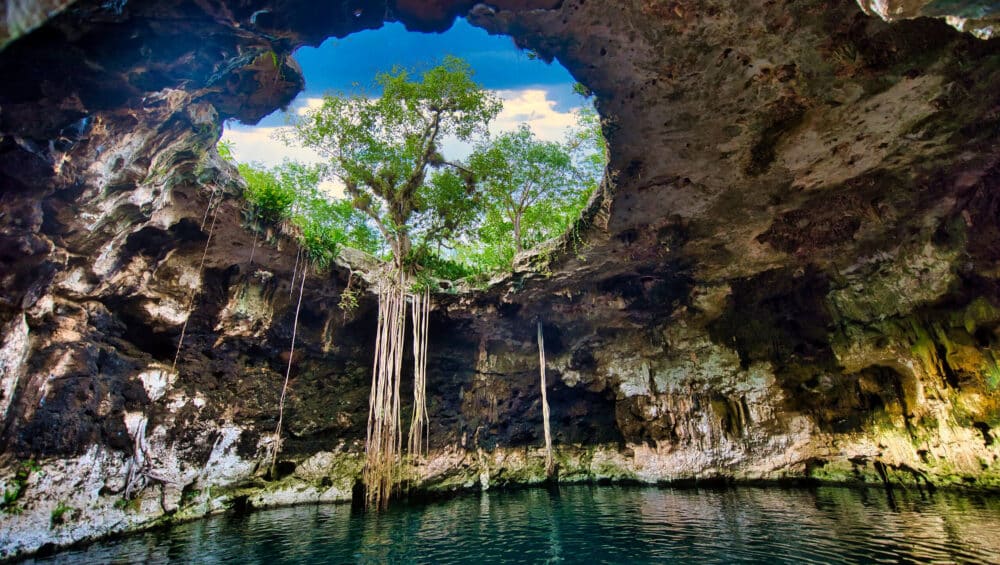
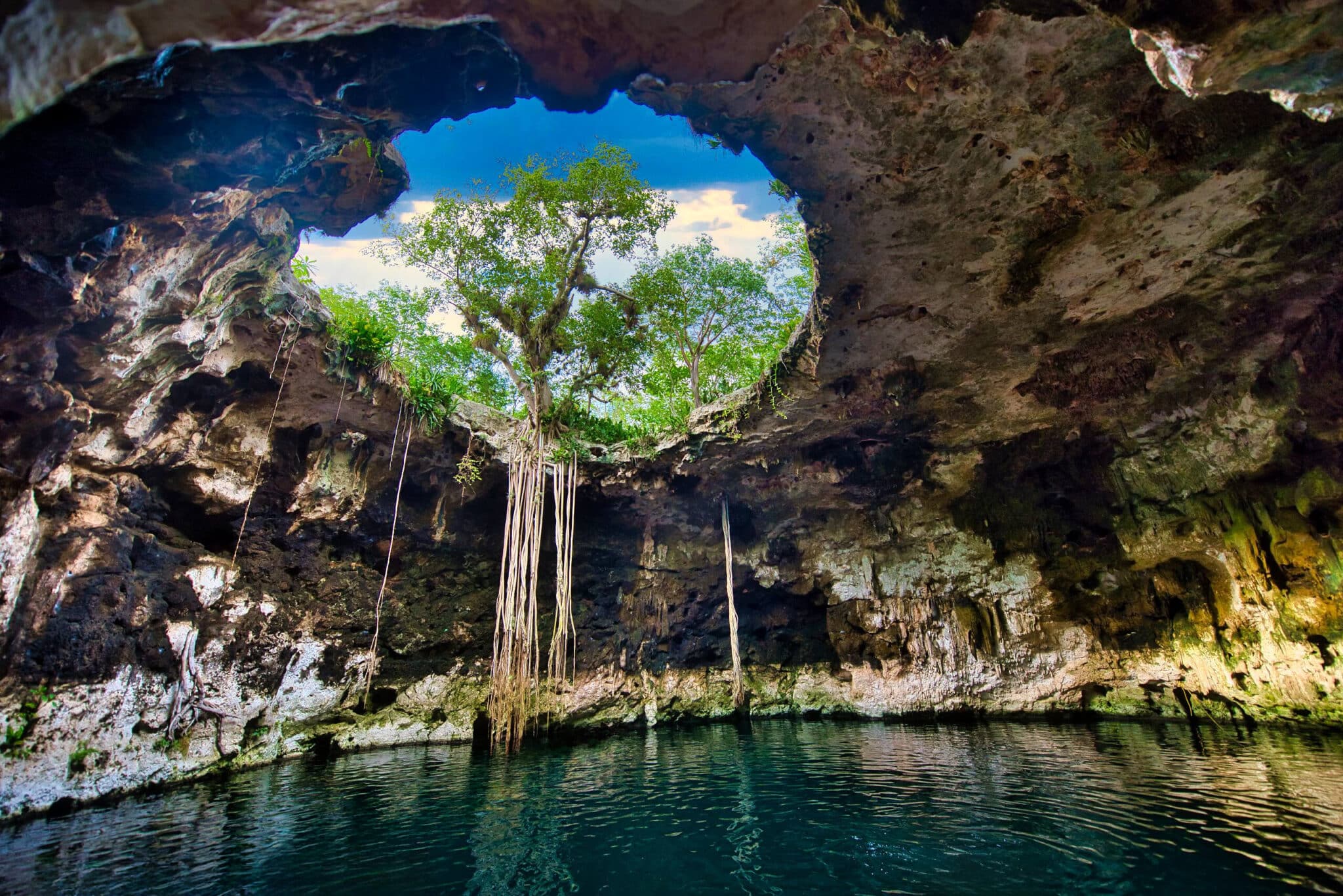
Sunlight illuminating a turquoise cenote cave in Yucatán
Emerald waters of a cenote near Mérida invite a refreshing swim.


Exploring Mérida’s Cenote Landscape

The Yucatán Peninsula is dotted with thousands of cenotes – freshwater sinkholes created by a prehistoric asteroid impact. Many of the most enchanting cenotes are within easy reach of Mérida. From grand cave pools draped with ferns to open-air turquoise lagoons, each site has its own mood. Imagine stepping into a cool, dim grotto, with sunlight slanting through a collapsed roof and tree roots hanging like vines above the water. These hidden oases feel otherworldly. The best cenotes near Mérida range from family-friendly parks to remote jungle hollows, each offering a unique mix of scenery and adventure. For any traveler in Mérida, diving into these crystal-clear waters is a must-have memory.

Homún: Magic Cenotes in the Jungle

Homún is a small town about an hour east of Mérida, famed for its “ring of cenotes.” Here you can plan a day trip by colectivo or rented car through quiet farmland and scrub. The vibe is relaxed and rural – you’ll find locals on bicycles and jungle trails leading to private cenotes. Homún’s big attraction is its spectacular sinkholes, from narrow underground pools to wide pit-caverns. One highlight is Cenote Tza Ujun Kat, the municipal cenote. It lies under a canopy of stalactites and twin openings. A concrete stairwell leads down into deep blue-green waters that are both family-friendly and awe-inspiring.

Its second entrance – a collapsed cave roof – fills the grotto with light and flocks of swallows at dawn. The limestone walls around Tza Ujun Kat are speckled with stalagmites, giving a cave-like atmosphere. Families relax on a rock platform and swim in both shallow and deep areas. (Life jackets are usually available for rent here.) After exploring one cenote, a local guide or map can lead you to others nearby, like Cenote Chacksikin or Cenote X’batún, each with its own crystal waters and hanging jungle roots. Homún’s cenotes feel ancient and wild – plunging into one is like discovering a hidden world beneath the jungle.

Cenote San Ignacio (Chocholá): Warm Waters & Hacienda Charm

For an easy half-day escape, head southwest of Mérida to Cenote San Ignacio, located on a restored hacienda in Chocholá. It’s just a 20-minute drive, making it the closest sizable cenote to the city. The entry path winds through gardens and rustic buildings before arriving at a long stairway down into a large indoor-outdoor pool. The water here is famously warm – around 28°C year-round – thanks to a natural balance of air and subterranean spring temperatures.

Swimming feels soothing, almost like a warm bath under the forest canopy. You might see families snorkeling gently amid dancing rays of light. The park here has amenities: a snack bar serving Yucatecan dishes, shaded hammocks, and even night-snorkeling events. The polished stonework and fountains give San Ignacio a pampered atmosphere compared to rugged jungle pits, but the sense of wonder is the same. It’s a great choice if you want a quick cenote visit with creature comforts. Just slip on your swimsuit, descend into the emerald waters, and float while shafts of sunlight filter through the leafy opening high above.

The Three Cenotes of Cuzamá: A Horse-Drawn Adventure

A classic Mérida excursion is the horse-cart ride into the jungle near Cuzamá. Here, three cenotes lie hidden on an old hacienda property about 25 km southeast of Mérida. The adventure begins with a rattling “truck” – a rustic rail cart pushed by a mule or small horse along wooden tracks. The bumpy ride through dense bush builds excitement for what’s below.

Stops include an underground cavern (often called Ucil) with milky-green water and dramatic stalactites, a semi-open cenote (Chak-Zinik-Ché) bathed in turquoise light, and Bolon-Chojol, an open pool with sunlight streaming through nine circular holes. All three cenotes have a laid-back vibe – there are basic snack stands and life jackets to borrow, but no grand facilities. The thrill here is the journey by mule and the feeling of uncovering little-seen wonders.

Hidden Gems: Yaal Utzil, Kankirixche, and More

Beyond the well-known spots, several smaller cenotes near Mérida offer memorable escapes. In the village of Abalá, about 45 minutes away, Cenote Yaal Utzil is a stunning open-air sinkhole of vivid blue water. A long wooden staircase drops you into its inviting pool, ringed by leafy vines and jungle growth. Floating here under the tropical sun is utterly refreshing.

Another nearby find is Cenote Kankirixche. This is a hidden cave cenote with dramatic stalactites and dangling tree roots reaching into the clear water. Similarly, Cenote Dzonbacal is a semi-open cenote whose calm, glassy blue water seems to glow in the shaded space. Both are perfect for snorkeling and bird-watching from the edge. These off-the-beaten-path cenotes often have modest entry fees and few crowds—perfect for curious explorers.

Planning Your Visit: Tips for Cenote Travelers

To get the most out of these cenotes, start early in the day to beat crowds and intense heat. Bring biodegradable sunscreen and plenty of water, as facilities can be basic. Most cenotes provide life jackets and lockers; invest in water shoes to protect your feet on rough steps. If you’re using public transport, colectivos leave regularly from Mérida’s Noreste bus terminal for Homún or Chocholá. Alternatively, many visitors opt for a guided tour or rental car for flexibility.

Keep cash handy (entry is typically a few hundred pesos, and tipping is appreciated). Above all, immerse yourself in the sensory delight: listen to dripping water, feel the cool rush as you dive in, and breathe in the earthy jungle scent. Each cenote has its own magic—take time to savor the moment.

Want to experience this in person? Contact me here!

Mezcal Oaxaca Palenque

Where can you try authentic mezcal in Oaxaca?

Where can you try authentic mezcal in Oaxaca?

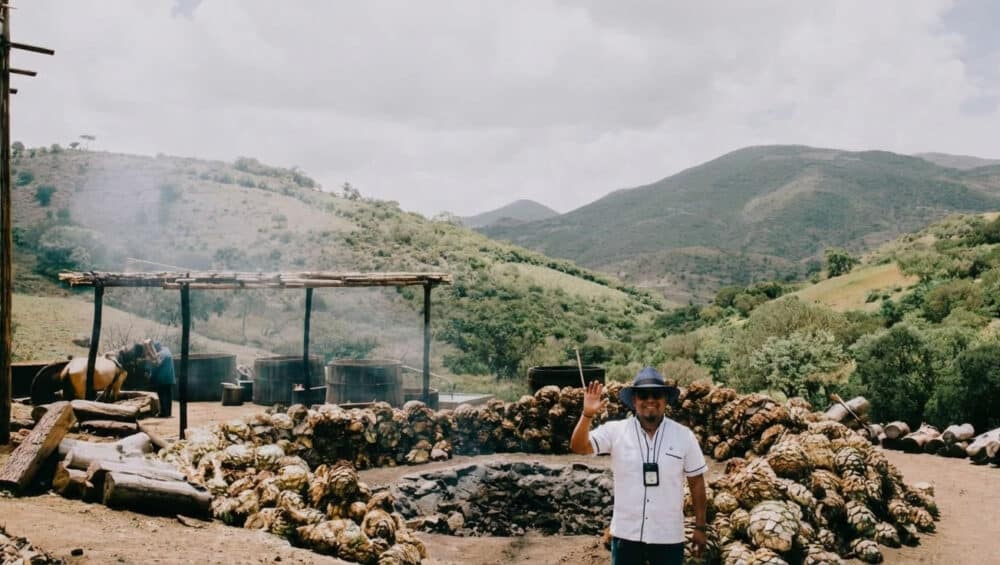
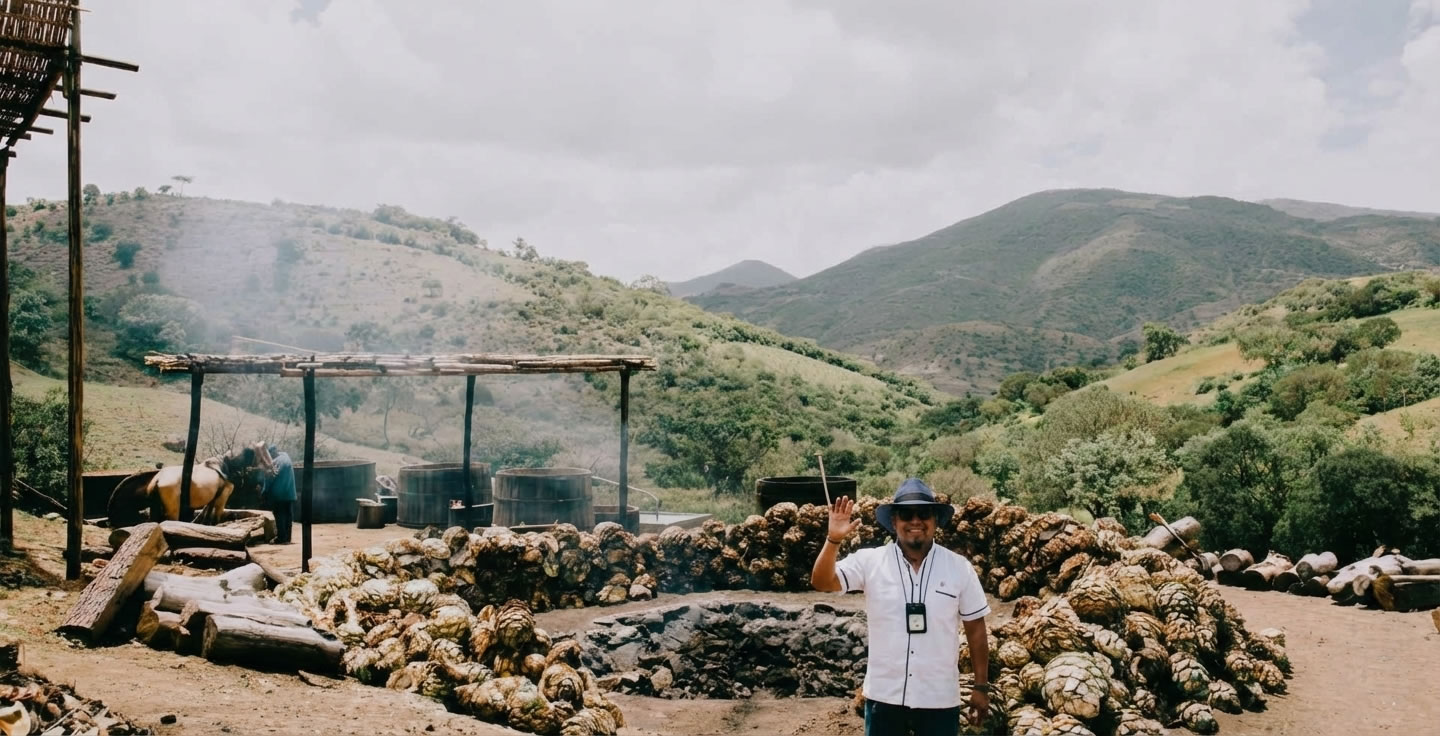
A traditional mezcal Palenque.
Oaxaca offers a vast landscape of mezcal flavors made traditionally in family-owned distilleries.

The Cultural Heart of the Agave Spirit

For travelers arriving in Oaxaca, the scent of roasting agave and the sight of small tasting rooms tucked into colonial corners are constant reminders of the region’s deep connection to mezcal. This spirit is much more than a simple beverage; it is a cultural symbol and a living history of the Zapotec soil. Understanding where to find truly authentic mezcal requires moving beyond the bright labels of tourist shops and seeking out the small-batch producers who maintain the traditions of their ancestors. In Oaxaca, the search for quality is often an educational journey that begins in the city’s specialized mezcalerías and ends in the rural palenques (distilleries) of the surrounding valleys.

To fully appreciate the spirit, one must first learn to decode the labels. Authenticity in the mezcal world is defined by the integrity of the process. Look specifically for bottles labeled as Artesanal or Ancestral. These categories prohibit the use of industrialized equipment such as autoclaves or column stills. Authentic mezcal should be 100 percent agave and typically carries an alcohol content of 45 percent or higher. Lower percentages often suggest significant dilution, which can mask the complex mineral and vegetal notes of the plant. Always look for the name of the Maestro Mezcalero (master producer) and the specific community of origin on the label, as this transparency ensures accountability and quality.

Essential Mezcalerías in Oaxaca City

Oaxaca City serves as the perfect classroom for those looking to begin their mezcal education. For a structured and academic approach, La Mezcaloteca is an essential starting point. This library-style tasting room requires a reservation and focuses on regional biodiversity. Their expert hosts guide you through the differences in agave species, such as the honey-noted Tobalá or the intense, mineral-heavy Tepeztate. The experience is intimate and seated, allowing you to focus entirely on the nuances of the small-batch distillations that are rarely exported outside of Mexico.

Another legendary destination is In Situ Mezcalería, founded by renowned author Ulises Torrentera. This space is pared-back and unadorned, reflecting a philosophy that nothing should interfere with the flavor of the spirit. They boast one of the largest collections of traditional mezcal in the country. Each pour is often accompanied by an educational card detailing the agave type and the specific distillation method used. For those seeking a more specialized dive, Quiote Mezcalería in the historic Barrio de Xochimilco offers unique classes such as Mezcal Science. These sessions explore the chemistry and cultural aspects of different expressions, providing a deeper understanding of the liquid’s complexity.

For a more hidden, speakeasy-style vibe, Sobrio by Mezcal Speakeasy is highly recommended by local experts and frequent visitors. Located in the Centro district, it offers a personalized interaction where the owners share their extensive knowledge of history and production. If you are looking for rare agave varieties and a focus on supporting specific local producers, Expendio Cuish is a vital stop. They excel at empowering master mezcaleros to produce one-of-a-kind spirits that embody the specific practices of their home villages. These city-based venues are ideal for tasting a wide variety of styles before deciding which bottles to bring home.

Journeying to the Source: The Palenques

While city tasting rooms are convenient, the true soul of mezcal is found in the rural palenques of the Oaxaca Valley. A visit to the village of Santa Catarina Minas is a highlight for many enthusiasts, as it is considered the birthplace of ancestral mezcal. Here, producers still use the ancient method of clay-pot distillation rather than copper stills. This technique creates a spirit with a softer, rounder mouthfeel and distinct earthy mineral tones. Lalocura, run by Eduardo Angeles, and Real Minero, a multi-generational family operation, are world-renowned for their commitment to these traditional methods. Reservations are typically required for these immersive tours, which often include walks through the agave fields.

Santiago Matatlán, often dubbed the world capital of mezcal, is another essential destination. Located less than an hour from the city, it is home to a high concentration of distilleries. While it is more tourist-centric, it still houses reputable producers such as Gracias a Dios, which focuses on sustainability and artisanal quality. When choosing distilleries, Gmex recommends going to and supporting the smaller family-owned ones who still honor the traditional mezcal making process that bigger and more well-known distilleries often lose. Exploring these rural distilleries allows you to witness the entire process, from the underground roasting pits to the stone tahona wheels pulled by horses. Buying directly from the Maestro Mezcalero at a smaller palenque often ensures the best price and supports the producer directly without middlemen.

Purchasing and Exporting Your Selection

When you are ready to purchase bottles to take home, Oaxaca City offers specialized retail venues with curated selections. Mis Mezcales is consistently recommended for high-end, truly artisanal bottles that are often difficult to find anywhere else. Another excellent option is the Union de Palenqueros, a unique space created by a collective of producers from Santiago Matatlán. This venue allows visitors to buy small-batch spirits directly from home-based producers at competitive price points. It is a fantastic way to support the local economy while ensuring you are bringing home a high-quality product.

Before you buy, be aware of the international regulations for traveling with alcohol. While you can find excellent mezcal sold in plastic containers or unsealed jars at local markets, unsealed alcohol is strictly prohibited for international air travel. Ensure that any mezcal you intend to export is legally bottled, sealed, and labeled. Some specialized shops offer a service to re-bottle and seal your purchases to comply with these regulations. Always remember to taste mezcal by taking small sips, often called kisses, and avoid mixing it with salt or orange if you want to experience the pure profile of the agave.

What is the best time of year to visit the Yucatan?

What is the best time of year to visit the Yucatan?

Sunny beaches lined with palm trees and ancient Mayan ruins under a clear blue sky in the Yucatan Peninsula.
The timeless beauty of the Yucatan Peninsula calls for perfect timing.

Understanding the Yucatan’s climate

The Yucatan Peninsula, encompassing vibrant cities like Merida and iconic sites such as Chichen Itza, boasts a tropical climate that influences every visit. Temperatures remain warm year-round, typically ranging from 75 to 95 degrees Fahrenheit, with high humidity adding to the sensation of heat. The region experiences two main seasons: the dry season from November to April and the wet season from May to October.

During the dry season heading into the wet season, visitors enjoy milder weather, lower humidity, and minimal rainfall, making it ideal for outdoor explorations. In contrast, the wet season brings afternoon showers, higher humidity, and the potential for hurricanes, particularly in September and October. Understanding these patterns helps in choosing a time that aligns with your preferences for comfort and activities.

Beyond weather, the Yucatan’s rich cultural calendar plays a significant role in planning. Festivals and events can transform your trip, offering unique insights into local traditions while sometimes coinciding with peak visitor periods.

Navigating heat and humidity

Heat is a constant companion in the Yucatan, with average highs around 88 degrees Fahrenheit throughout the year. However, the dry season provides relief, as cooler trade winds from the Caribbean keep temperatures more comfortable, often in the low 80s during the day and dropping to the 70s at night. This period is perfect for hiking ancient ruins or lounging on beaches without overwhelming stickiness.

In the wet season, humidity can soar above 80 percent, making even moderate temperatures feel intense. Short, heavy rains provide temporary cooling, but they can disrupt plans for outdoor adventures. Hurricane season peaks from August to October, so monitoring forecasts is essential if traveling then. For those sensitive to heat, packing light clothing, staying hydrated, and scheduling activities for early mornings or evenings is advisable.

Overall, if avoiding extreme heat is a priority, aim for the shoulder months like November or April, when conditions are balmy without the full intensity of summer.

Vibrant festivals and events

The Yucatan comes alive with festivals that showcase its Mayan heritage and colonial influences. In January, Merida Fest celebrates the city’s founding with music, dance, and art performances throughout the month, drawing locals and visitors alike to its historic streets. February or March brings Carnaval in Merida, a colorful parade of floats, costumes, and lively music, offering a festive atmosphere reminiscent of Mardi Gras.

Spring highlights include the Vernal Equinox at Chichen Itza around March 20 to 21, where the sun creates a serpent shadow on the pyramid, attracting crowds for this ancient spectacle. May features La Noche Blanca in Merida, an all-night cultural event with free art exhibitions, concerts, and theater in public spaces.

Late October to early November marks Hanal Pixan, the Mayan version of Day of the Dead, with altars, processions, and traditional foods honoring ancestors. November also hosts the Feria Yucatan Xmatkuil, a large fair with rides, livestock shows, and regional cuisine. These events provide immersive cultural experiences, though they may coincide with busier periods.

Recommended times to visit

For the best balance of pleasant weather and exciting events, consider December to beginning of June. This dry season offers comfortable temperatures for exploring cenotes, beaches, and ruins, with festivals like Merida Fest and Carnaval adding vibrancy. Early December or late April can mean fewer crowds and better deals on accommodations.

If you prefer quieter times and don’t mind occasional rain, May or November provide a sweet spot with milder heat and emerging festivities. Avoid June to October if heat and humidity are concerns, though summer brings opportunities for whale shark sightings and lower prices. Ultimately, the ideal time depends on your tolerance for warmth and desire for cultural immersion.

Traveling during shoulder seasons allows for a more relaxed pace, letting you fully appreciate the peninsula’s natural and historical wonders without the peak-season rush.

Planning your Yucatan adventure with Gmex

To make the most of your visit, consider joining a guided experience that highlights the region’s highlights. Our Magical Merida tour offers an in-depth exploration of this charming city, including its colonial architecture, bustling markets, and nearby cenotes, perfectly timed to avoid the harshest heat.

This tour provides comfortable transportation, knowledgeable guides, and insights into local customs, ensuring a seamless journey. Whether you’re visiting during festival season or seeking a peaceful retreat, it complements any time of year. Learn more and book at gmexexperience.com/magical-merida.

With thoughtful planning around weather and events, your Yucatan trip will be filled with memorable moments and authentic discoveries.

Dates, times, and prices subject to change.

How do you get from Cancún to Isla Mujeres?

How do you get from Cancún to Isla Mujeres?

A ferry boat sailing from Cancún toward the turquoise waters and white sands of Isla Mujeres under a clear blue sky.
The scenic ferry ride connecting Cancún to Isla Mujeres.

Planning your trip to Isla Mujeres

Isla Mujeres, a charming island just off the coast of Cancún, offers pristine beaches, vibrant marine life, and a relaxed atmosphere that draws visitors from around the world. Whether you’re seeking a day trip or an extended stay, getting there from Cancún is straightforward and accessible. The most common method is by ferry, but private options are available for those preferring more flexibility or luxury.

Located about 13 kilometers northeast of Cancún, Isla Mujeres is separated by the Caribbean Sea, making boat travel the only direct way to reach it. There are no bridges or roads connecting the island to the mainland, so planning your crossing is essential. Factors like your starting point in Cancún, group size, and budget will influence the best choice for you.

In this guide, we’ll cover the various transportation options, including detailed information on ferries, private transfers, and tips to ensure a pleasant experience. With frequent services and short travel times, you’ll be lounging on the island’s shores in no time.

Ferry services: The most popular option

Taking a ferry is the easiest and most affordable way to travel from Cancún to Isla Mujeres. Several companies operate modern, comfortable vessels that make the crossing in about 15 to 30 minutes, depending on the departure point and sea conditions. These ferries run throughout the day, providing ample flexibility for travelers.

The two main operators are Ultramar and Xcaret Xailing. Ultramar is known for its frequent departures and multiple ports, while Xcaret offers a premium experience with additional perks like WiFi and scenic views. Both provide air-conditioned seating, restrooms, and sometimes live music or refreshments on board.

Ferries are reliable year-round, though schedules may adjust during peak seasons or due to weather. It’s always wise to check the latest timetables online or at the terminal to avoid any surprises.

Departure points in Cancún

Cancún offers several departure points for ferries to Isla Mujeres, catering to different locations within the city. The primary port is Puerto Juárez, located just north of downtown Cancún, which is ideal if you’re coming from the airport or non-hotel areas. This terminal sees the most frequent services and is easily accessible by taxi or bus.

For those staying in the Hotel Zone, options include Playa Tortugas, Playa Caracol, and El Embarcadero. These spots are convenient if you’re already in the tourist corridor, saving time on travel to the main port. Playa Tortugas and Playa Caracol are served by Ultramar, while El Embarcadero is home to Xcaret Xailing.

Each location has its own amenities, such as parking, nearby shops, and eateries. Choosing the right departure point can enhance your overall experience, especially if you’re carrying luggage or traveling with a group.

Schedules and frequencies

Ferry schedules vary by operator and departure point, but services generally run from early morning until late evening. At Puerto Juárez with Ultramar, ferries depart as early as 5:30 a.m. and continue until 11:00 p.m., with boats every 30 minutes during peak hours. Return trips from Isla Mujeres extend slightly later, up to midnight.

From the Hotel Zone ports like Playa Tortugas, departures are less frequent, starting around 9:00 a.m. and ending by 6:00 p.m. Xcaret Xailing from El Embarcadero operates from 9:00 a.m. to 7:00 p.m. outbound, with returns until 8:00 p.m. These timetables allow for day trips or overnight stays without hassle.

During holidays or high season, additional sailings may be added. Conversely, in inclement weather, some trips could be canceled, so monitoring updates via the operators’ apps or websites is recommended.

Ticket prices and purchasing

Ferry tickets are reasonably priced, making this option accessible for most budgets. For Ultramar, adult one-way fares are around 290 Mexican pesos, with round-trip tickets at 580 pesos. Children pay reduced rates, typically 220 pesos one way, and infants travel free with a boarding pass.

Xcaret Xailing charges approximately 14.50 USD for a single adult ticket and 28 USD for round-trip. They offer discounts for children and promotions, such as 10% off with certain codes valid through the end of 2025. Residents of Quintana Roo may qualify for special rates with proper identification.

Tickets can be purchased online in advance, at the terminal kiosks, or through travel agencies. Buying ahead secures your spot during busy times and often includes perks like priority boarding. Remember, some fares exclude dock fees, so factor that in when budgeting.

Private boat transfers and charters

For a more personalized experience, consider private boat transfers or charters. These are perfect for groups, families, or those seeking privacy and flexibility. Water taxis start at around 175 USD for up to three passengers, with capacity for more at additional cost, and the ride takes about 20 minutes.

Luxury yachts or catamarans offer upscale options, with prices ranging from 1,000 to 1,400 USD for a full-day charter, including amenities like snorkeling gear, drinks, and crew. Boat rentals begin at 105 USD per hour, allowing you to customize your itinerary around Isla Mujeres’ highlights.

Private services can be arranged through companies like Isla Fun Tours or via platforms like GetMyBoat. They’re especially useful if you have specific timing needs or want to combine transport with activities like fishing or sunset cruises.

Getting to the ferry from Cancún Airport

If you’re arriving at Cancún International Airport, reaching the ferry ports is simple. Private transfers to Puerto Juárez cost between 45 and 115 USD one-way, depending on group size, and take 25 to 35 minutes. These shuttles are safe and convenient, often bookable online with meet-and-greet services.

For budget travelers, the ADO bus runs from the airport to downtown Cancún, followed by a short taxi or Uber ride to the ferry terminal. Taxis from the airport are available but can be pricier and less reliable. Avoid unofficial rides for safety reasons.

Many hotels in the area offer shuttle services or can arrange transfers. Planning this leg in advance ensures a seamless transition from flight to ferry.

Tips for a comfortable journey

To make your trip enjoyable, arrive at the terminal 30 minutes early, especially during peak times. Bring sunscreen, hats, and water, as the sun can be intense even on short crossings. If prone to seasickness, opt for a seat in the middle of the boat and consider medication.

Pack light, as storage space on ferries is limited, and be mindful of luggage policies. Pets are allowed in designated areas on some services. For return trips, confirm schedules to avoid missing the last boat.

Weather can affect operations, so have a backup plan. Downloading operator apps for real-time updates is a smart move.

What to expect upon arrival

Upon docking at Isla Mujeres’ main terminal, you’ll find taxis, golf cart rentals, and bike shops nearby for easy island exploration. The downtown area is walkable, with restaurants and shops just steps away. If heading to a hotel, many offer pick-up services.

The island’s laid-back vibe contrasts with Cancún’s bustle, offering a perfect escape. From here, you can visit attractions like Punta Sur or relax on Playa Norte. Enjoy your time on this gem of the Caribbean. If you have any more questions or are interested in one of our awesome tour packages, contact us here.

Top 5 Attractions in Chiapas That You Don’t Want to Miss

Top 5 Attractions in Chiapas That You Don’t Want to Miss

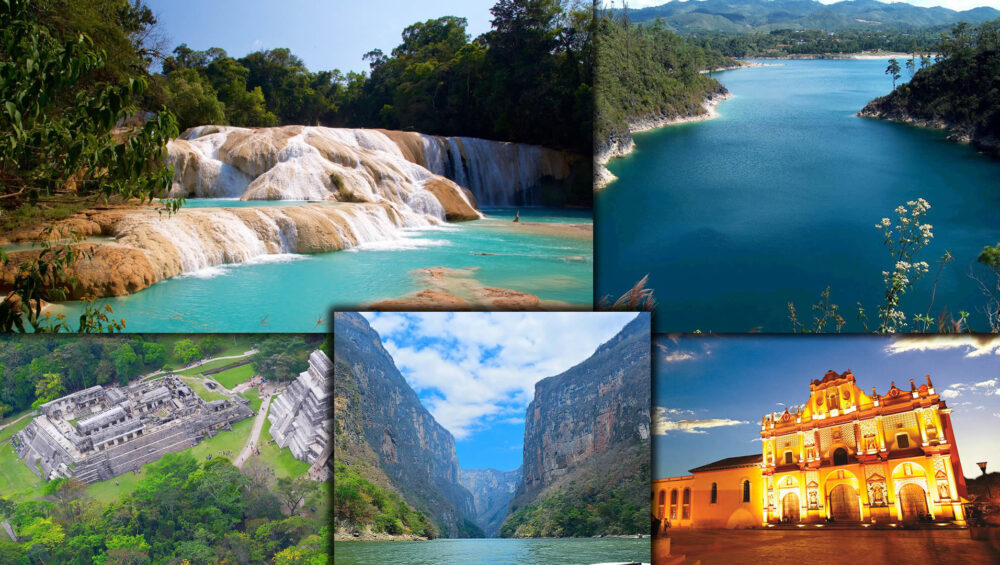
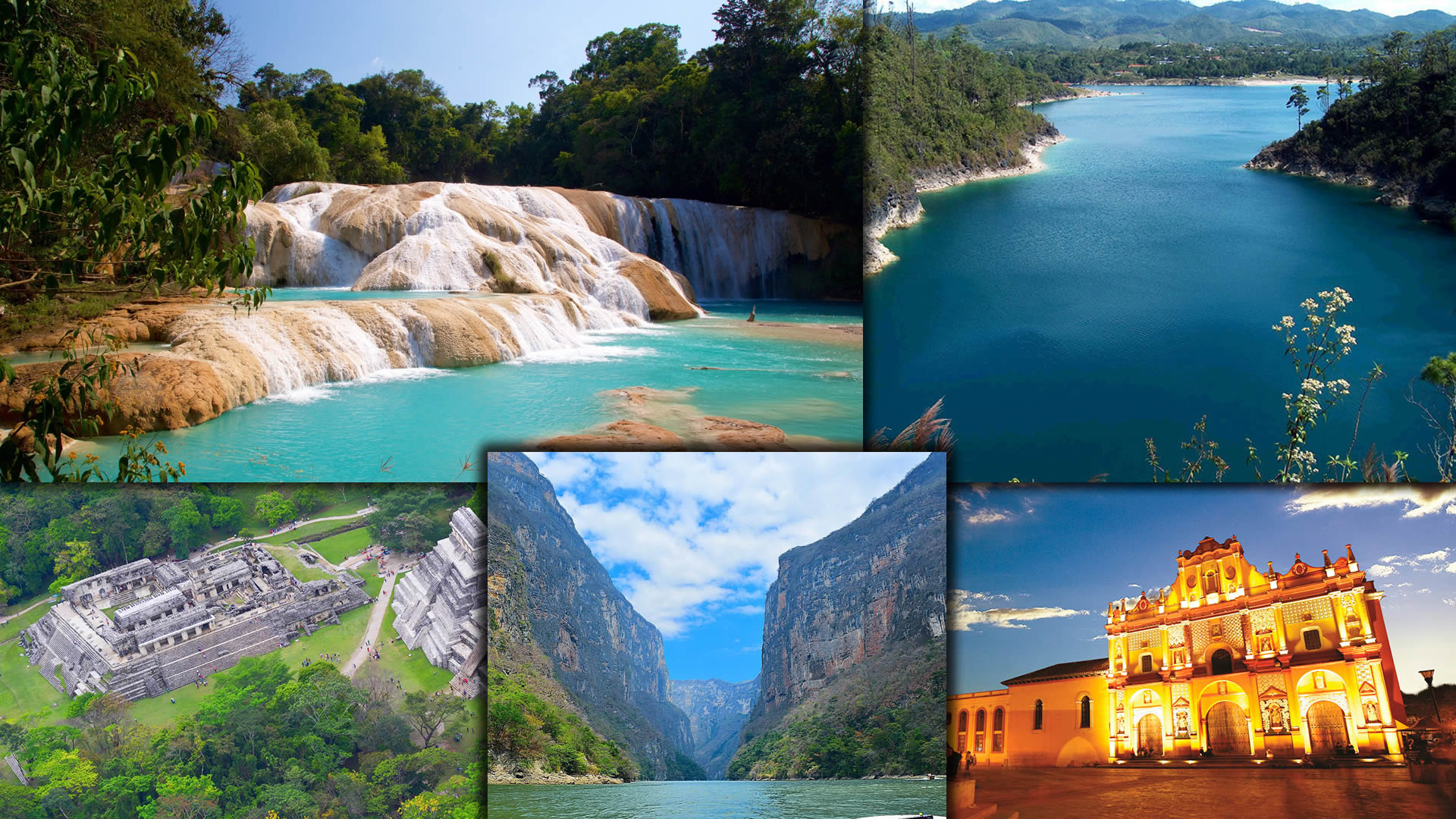
Majestic Palenque Ruins surrounded by jungle in Chiapas, Mexico
Explore the ancient wonders of Chiapas.

Introduction to Chiapas’ Hidden Gems

Chiapas, Mexico’s southernmost state, is a captivating blend of lush jungles, ancient Mayan heritage, and vibrant indigenous cultures. Often less crowded than other tourist hotspots, it offers authentic experiences for travelers seeking adventure and tranquility. The region’s diverse landscapes, from towering canyons to turquoise lakes, make it ideal for nature lovers and history enthusiasts alike. Visiting during the dry season from November to April ensures pleasant weather and clearer views, though prepare for cooler evenings in higher elevations. With affordable entry fees and accessible transportation, Chiapas invites you to explore its wonders without breaking the bank.

Whether basing yourself in charming San Cristóbal de las Casas or venturing from Palenque, these top attractions showcase the state’s unique charm. Plan for guided tours where needed to respect local communities and enhance your understanding. Safety is generally good in tourist areas, but stick to recommended paths and travel during daylight. Let’s uncover the must-see spots that will make your Chiapas journey unforgettable.

1. Palenque Ruins: Ancient Mayan Splendor

The Palenque Ruins stand as a testament to the ingenuity of the ancient Maya, enveloped by dense jungle that adds to their mystical allure. Key highlights include the Temple of the Inscriptions, housing the tomb of King Pakal, and the grand Palace with its intricate carvings. This UNESCO World Heritage site offers a glimpse into a thriving city-state that flourished from 226 BC to 799 AD.

For the best experience, visit during the dry season from November to April when paths are less slippery. Arrive early around 8 AM to avoid crowds and midday heat. The entrance fee is approximately 100 MXN for the ruins plus 35 MXN for the national park, totaling about 135 MXN. Hiring a certified guide for 1,300 MXN per group enhances the visit with historical insights. Wear comfortable shoes, bring water, and apply insect repellent for the jungle paths.

Combine your trip with nearby waterfalls for a full day of exploration. Public transport from Palenque town costs around 20 MXN via colectivo, making it accessible for all travelers.

2. Sumidero Canyon: Nature’s Grand Sculpture

Sumidero Canyon impresses with its sheer cliffs rising up to 1,000 meters, carved by the Grijalva River over millennia. A boat ride reveals wildlife like crocodiles, monkeys, and birds, along with unique formations such as the Christmas Tree waterfall. The canyon’s viewpoints offer panoramic vistas that capture its dramatic scale.

Optimal visiting time is October to December, post-rainy season, for lush greenery without heavy downpours. Morning tours starting at 9 AM provide the best light. Boat rides cost 200-400 MXN, while full-day tours from San Cristóbal range from 650-1,500 MXN including transport and viewpoints. Wear light clothing and bring binoculars for spotting fauna.

Depart from Chiapa de Corzo or Cahuaré for the boat embarkation. Ethical tours ensure minimal disturbance to the ecosystem, allowing you to appreciate this natural wonder responsibly.

3. San Cristóbal de las Casas: Cultural Heartbeat

This Pueblo Mágico enchants with its colonial architecture, bustling markets, and indigenous influences. Stroll the pedestrian Andadores, visit the amber-filled Templo de Santo Domingo, and explore museums like Na Bolom for insights into local heritage. The city’s elevation provides a cool respite from tropical heat.

November to April offers sunny days perfect for exploration, with festivals adding vibrancy. Many sites are free, though museums like Na Bolom charge 60 MXN. Day trips to nearby villages cost 450-500 MXN. Pack layers for variable weather and try local specialties like pozol in the markets.

Respect indigenous customs, especially in surrounding communities like Chamula, where photography may be restricted. Walking tours reveal hidden gems in this culturally rich hub.

4. Cascadas de Agua Azul: Turquoise Paradise

These cascading waterfalls form natural pools in striking blue tones, thanks to mineral-rich waters flowing over limestone. Hike the riverside trail to discover swimming spots and viewpoints, surrounded by lush jungle vegetation.

Visit November to February for the most vivid colors and safer swimming. Open from 8 AM to 8 PM, with entry at 40-120 MXN. Arrive early to enjoy before crowds. Bring swimsuits, water shoes, and biodegradable sunscreen for eco-friendly dips.

Tours from Palenque cost around 500 MXN. Stick to designated areas to avoid strong currents, and pack out all trash to preserve this natural beauty.

5. Lagunas de Montebello: Lakes of Color

This national park features over 50 lakes in varying shades of blue and green, set amid pine forests near the Guatemala border. Highlights include Lago Tziscao, Pojoj, and the Cinco Lagos group for hiking and boating.

November to April provides clear skies for optimal viewing. Park entry is 30-60 MXN, with raft rides at 200 MXN. Mornings offer the best light. Hire local guides for 600 MXN to navigate the lakes efficiently.

Pack insect repellent and respect the ecosystem by staying on trails. Day trips from San Cristóbal cost 250-500 MXN, or stay overnight in Tziscao for a deeper immersion.

What Are the Must-Try Foods in Oaxaca?

The 10 Must-Try Traditional Foods in Oaxaca

A large Oaxacan tlayuda topped with cheese, avocado, and grilled meat on a rustic plate.
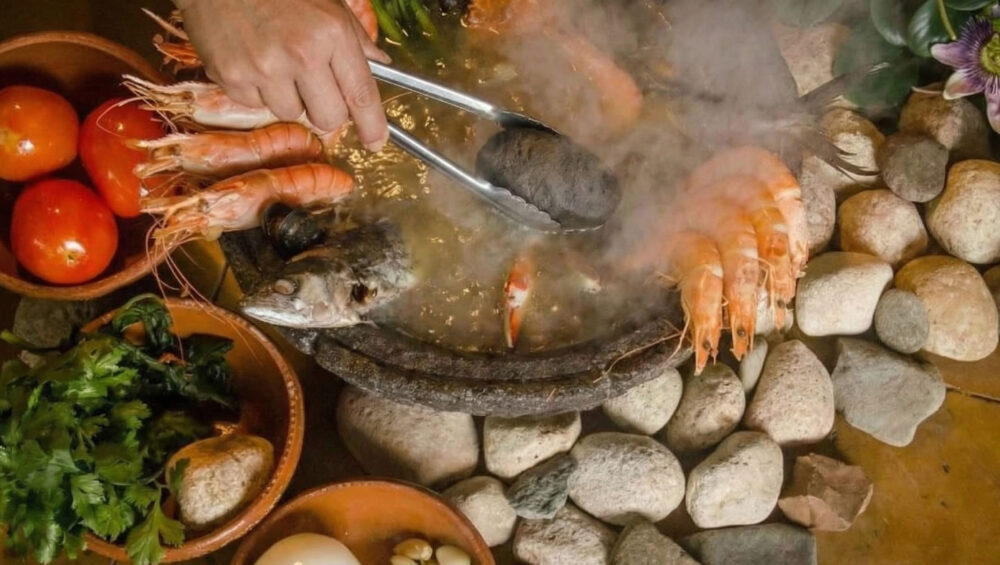
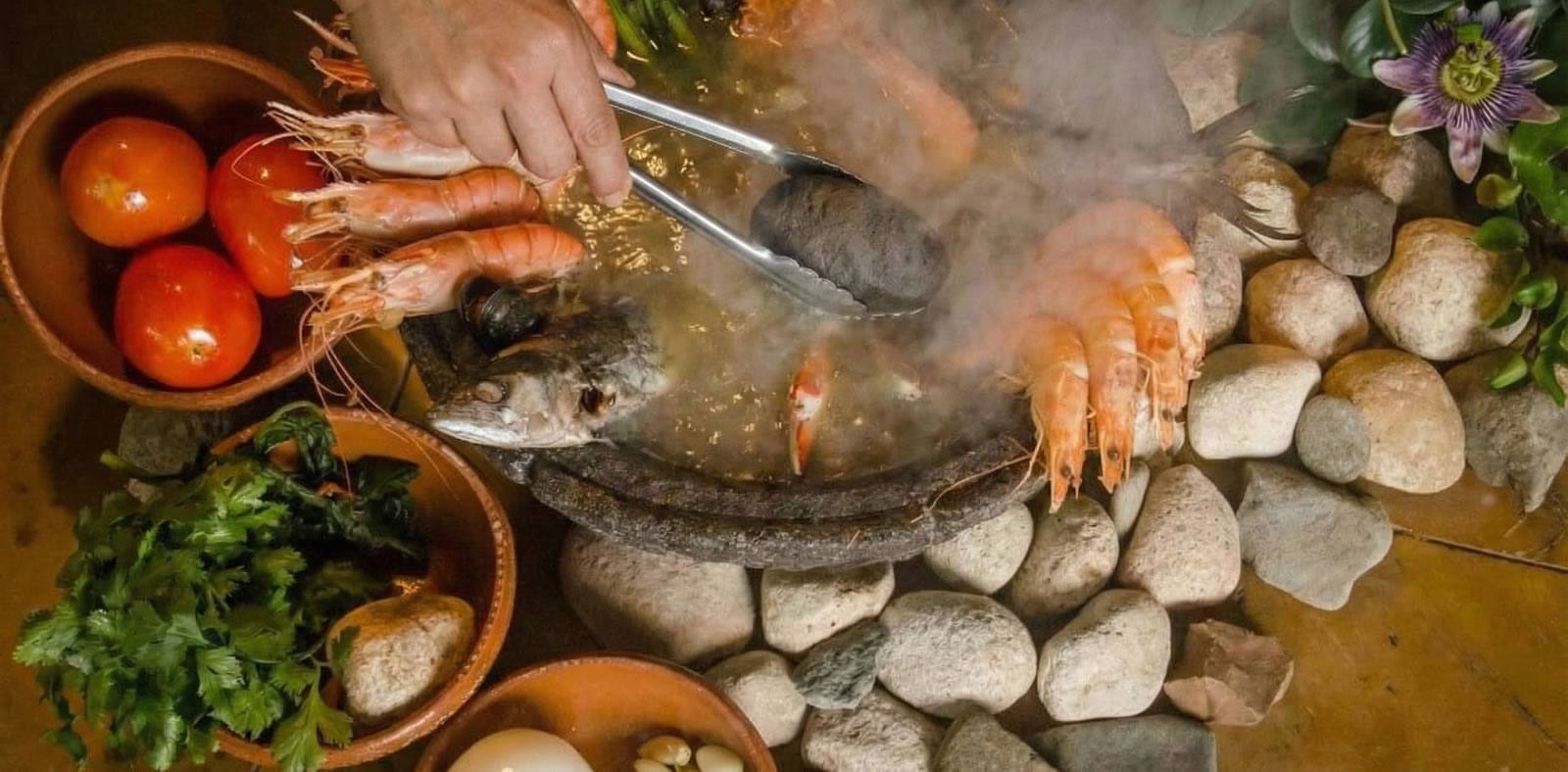
A traditional Oaxacan dish “Caldo de Piedra” just about ready to eat.

A taste of Oaxaca’s culinary soul

Oaxaca is often called the culinary heart of Mexico. The region brings together indigenous traditions, local ingredients, and family recipes that have been passed down for generations. In markets and neighborhood kitchens you find dishes that look simple but deliver deep, layered flavors. Eating in Oaxaca is not only about feeling full, it is also a way to understand the culture, the land, and the families who live here.

This guide highlights ten traditional Oaxacan foods that every visitor should try at least once. From complex moles to humble corn based snacks, each dish tells part of the story of this region. You will see hints of markets, family run fondas, weekend street stalls, and celebrations, so you can recognize these foods in the wild and enjoy them the way locals do.

1. Mole negro

Mole negro is the star of Oaxacan cuisine. It is a dark, silky sauce made from dried chiles, nuts, seeds, spices, a little fruit, and a touch of chocolate, all toasted and ground into a smooth paste. The flavor is layered and complex, slightly sweet but also smoky and earthy. Mole negro is usually served over chicken or turkey with rice and warm tortillas, often as the main dish for celebrations and long Sunday family meals in the Central Valleys.

2. Tlayudas

Tlayudas are often described as Oaxacan style pizzas. A very large, thin corn tortilla is dried just enough to become firm and then finished over a charcoal grill until it is crisp at the edges and slightly chewy in the center. It is spread with refried black beans and asiento, a rich pork fat, then topped with shredded cabbage or lettuce, slices of tomato and avocado, and generous strips of stringy quesillo cheese. Most tlayudas also include grilled meat such as tasajo, cecina, or chorizo, although you can ask for a vegetarian version with extra cheese and vegetables.

3. Tamales de mole in banana leaves

In Oaxaca you see many kinds of tamales, but the most characteristic are tamales de mole wrapped in banana leaves. For these, a layer of soft, well seasoned masa is spread on a piece of banana leaf and filled with chicken and a spoonful of thick mole, often mole negro or another local mole. The leaf is folded into a neat parcel and steamed until the masa sets and absorbs the flavor of the sauce and the leaf. Tamales de mole are typically a breakfast or evening food and are sold warm from insulated containers and baskets that vendors carry through the streets and markets.

4. Chapulines

Chapulines are toasted grasshoppers and they are one of Oaxaca’s most famous snacks. They are usually seasoned with chile, garlic, and lime, which gives them a bright flavor along with a pleasant crunch. Many visitors hesitate at first, but chapulines have been part of the local diet since pre Hispanic times and are still enjoyed by people of all ages. You can eat them on their own like nuts, sprinkle them over guacamole, or add a few to a tlayuda for extra texture and flavor during an evening meal.

5. Memelas

Memelas are thick, oval shaped corn cakes made from freshly ground masa. They are pressed by hand, cooked on a clay comal, and then topped while still hot. A classic memela is spread with asiento and black beans and finished with crumbled queso fresco or a handful of shredded quesillo and a spoonful of salsa made that same morning. Some stands also offer memelas with toppings like chorizo, mushrooms, squash blossoms, or eggs, turning this simple base into a complete breakfast or light lunch with very little effort or cost.

6. Barbacoa de borrego

Barbacoa de borrego is slow cooked lamb that is especially popular on weekends and market days. Traditionally the meat is marinated, wrapped in maguey leaves, and cooked overnight in a pit oven dug into the earth. As it cooks, the juices drip down into a pot to create a rich broth called consome. In the morning the meat is shredded and served in tacos or in bowls of consome with fresh tortillas, cilantro, onion, and lime on the side. Families often share large platters of barbacoa as they talk and shop in the valley town markets that surround Oaxaca City.

7. Empanadas de amarillo

Empanadas de amarillo are another Oaxacan favorite made on the comal. They start as a large, thin tortilla that is filled with shredded chicken and mole amarillo, a bright yellow sauce made from chiles, tomato, and spices. A fresh leaf of epazote is often added for fragrance before the tortilla is folded over and toasted until the edges crisp and the filling bubbles gently inside. You often find empanadas de amarillo in evening street stalls or in small market kitchens that specialize in antojitos, the little cravings that locals satisfy between meals with a hot snack and a cup of atole or coffee.

8. Caldo de piedra

Caldo de piedra, or stone soup, is a dish with deep roots in indigenous communities in Oaxaca. Traditionally it is prepared by placing raw fish, tomato, onion, chili, and herbs into a bowl, then adding river stones that have been heated in a fire until they are extremely hot. When the stones touch the liquid, the broth begins to boil and the ingredients cook right at the table, turning the meal into a small ceremony. Modern versions served near the city keep this presentation so guests can watch the soup come to life and then enjoy a clean, comforting broth that feels closely tied to the rivers and land of the region.

9. Higadito

Higadito is a light but nourishing soup that many Oaxacans associate with family gatherings and celebrations. It is made by simmering chicken in a simple broth with tomato, onion, and mild chili, then adding beaten eggs and finely chopped meat so that they form soft strands and small pieces throughout the soup. The texture is delicate and the flavor is gentle. Higadito is often served in the morning after important events such as weddings or community fiestas, when guests want something restoring but not too heavy after a long night of dancing and visiting with relatives and friends.

10. Enchiladas de coloradito

Enchiladas de coloradito are tortillas dipped in a smooth red mole sauce called coloradito. The tortillas are quickly passed through hot oil, then coated in the mole and filled with shredded chicken or fresh cheese before being folded or rolled on the plate. On top they are often finished with more sauce, a sprinkle of queso fresco, sliced onion, and sometimes a spoonful of cream. This dish is common in home kitchens and in modest restaurants that serve comida corrida, the daily set lunch, and it is a satisfying way to taste another style of mole without committing to a very heavy portion of meat and sauce.

Cochinita Pibil: It’s History, Cultural Significance and a Recipe

Cochinita Pibil: It’s History, Cultural Significance and the Recipe

A steaming plate of Cochinita Pibil, tender pork wrapped in banana leaves, garnished with pickled red onions and fresh habanero chilies on a vibrant Yucatecan tablecloth.
Savoring the earthy flavors of Yucatán’s underground treasure.

Unveiling the Essence of Cochinita Pibil

Imagine the aroma of slow roasted pork mingling with the tangy zest of bitter orange and the earthy spice of achiote wafting through a Yucatecan kitchen. Cochinita pibil this iconic dish invites you to dive into the heart of Mexican cuisine where ancient traditions meet bold flavors. As you explore its layers you connect with the vibrant culture of the Yucatán Peninsula feeling the pride locals hold for this culinary gem.

More than just a meal cochinita pibil embodies resilience and fusion a testament to the Mayans ingenuity and the evolutions brought by time. Whether tucked into warm tortillas or savored in a torta it draws you into a world of communal feasts and heartfelt gatherings making you eager to taste and share its story.

Ancient Mayan Roots

The story of cochinita pibil begins deep in the Mayan world where the pib an underground oven transformed simple ingredients into feasts. Long before European arrival the Maya slow cooked wild game like deer turkey or peccary wrapped in banana leaves and buried in pits heated by hot stones. This method not only tenderized the meat but infused it with smoky earthy notes that defined their cuisine.

Achiote from annatto seeds provided the vivid red color and subtle flavor while herbs and chiles added depth. You can picture ancient communities gathering around these pits preparing meals for rituals and daily life honoring the land and their ancestors. This practice rooted in survival and spirituality laid the foundation for what locals cherish today as a link to their heritage.

Colonial Influences and Evolution

With the Spanish arrival in the sixteenth century cochinita pibil evolved embracing new elements while preserving its core. Pigs introduced by the conquerors replaced wild game offering tender meat that suited the pib perfectly. Bitter oranges brought from afar added a tangy acidity balancing the richness and creating the marinade we know today.

This fusion birthed the modern dish cochinita meaning little pig in Spanish and pibil from the Mayan for buried. Over centuries it spread across Yucatán adapting to local tastes and becoming a staple. You will appreciate how this blend reflects Mexicos mestizo identity where indigenous wisdom meets global influences fostering a dish that unites generations.

Cultural Heart of Yucatán

In Yucatán cochinita pibil pulses as the regions culinary soul served at markets street stands and family tables. It graces celebrations like Hanal Pixán the Mayan Day of the Dead where offerings honor the departed symbolizing lifes cycle. Locals beam with pride sharing it during fiestas weddings and Sundays embodying community and hospitality.

Beyond food it preserves traditions in backyard pits and recipes passed down evoking ancestral connections. As you taste it wrapped in tortillas with pickled onions and habanero you join a lineage of flavors that tell stories of resilience and joy inviting you to Yucatáns warm embrace.

Preparing Your Own Cochinita Pibil

Bring Yucatán’s magic to your kitchen with this authentic recipe for cochinita pibil. <7p>

Ingredients (serves 6–8)

  • 2 large banana leaves
  • 50 g achiote paste
  • 2 cups (480 ml) bitter orange juice (or substitute: 1½ cups orange juice + ½ cup lime juice + 2 tbsp white vinegar)
  • ½ teaspoon freshly ground black pepper
  • 2 cloves garlic
  • 1–2 whole allspice berries (or ⅛ tsp ground allspice)
  • ¼ teaspoon whole cumin seeds (or ⅛ tsp ground cumin)
  • 1 teaspoon dried Mexican oregano
  • 2 teaspoons sea salt (adjust to taste)
  • 3 lb (1.4 kg) boneless pork shoulder (or pork butt), cut into 2½-inch cubes
  • ¼ cup (60 g) pork lard or vegetable oil
  • 1 medium red onion, thinly sliced (optional, for extra flavor inside the packet)

For serving

  • Warm corn tortillas
  • Pickled red onions (cebolla morada encurtida)
  • Refried black beans
  • Fresh or pickled habanero chiles

In a blender, combine the achiote paste, bitter orange juice (or substitute), black pepper, garlic, allspice, cumin, oregano, and salt. Blend until completely smooth. Place the pork cubes in a large bowl or zip bag, pour the marinade over, and mix well. Cover and refrigerate for at least 2 hours, preferably overnight.

Preheat your oven to 350 °F (175 °C). Remove the pork from the marinade (reserve the marinade). Lay the meat in the center of the banana leaves, drizzle with the lard, scatter the optional sliced onion on top, and pour the reserved marinade over everything. Fold the banana leaves over to completely enclose the pork, then cover tightly with foil (or a lid) to seal in the steam.

Bake for 2½ to 3 hours, until the pork is fall-apart tender. Remove from the oven, let rest 15 minutes, then shred the meat with two forks, mixing it well with the juices. Serve hot with warm tortillas, plenty of pickled red onions, refried beans, and fiery habanero chiles on the side.

You will feel the pride of creating a dish that honors centuries of Yucatecan tradition — and your guests will keep coming back for more.

Experiencing Cochinita Pibil Today

Today cochinita pibil thrives not only in the Yucatán but all over Mexico, from bustling markets to fine restaurants drawing travelers like you to its authentic roots.  Modern twists might appear in fusion cuisine but the essence remains the slow roast and bold marinade.

Whether at a festival or home you will discover its power to connect people celebrating lifes flavors. Locals invite you to savor it slowly letting each bite whisper tales of the past and present.

Is it better to visit Chichén Itzá or Uxmal?

Is it better to visit Chichén Itzá or Uxmal?

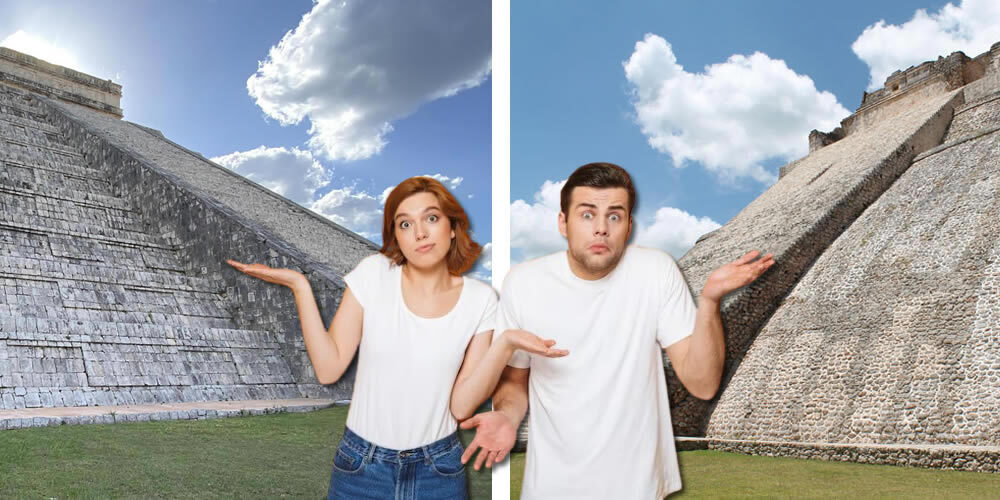
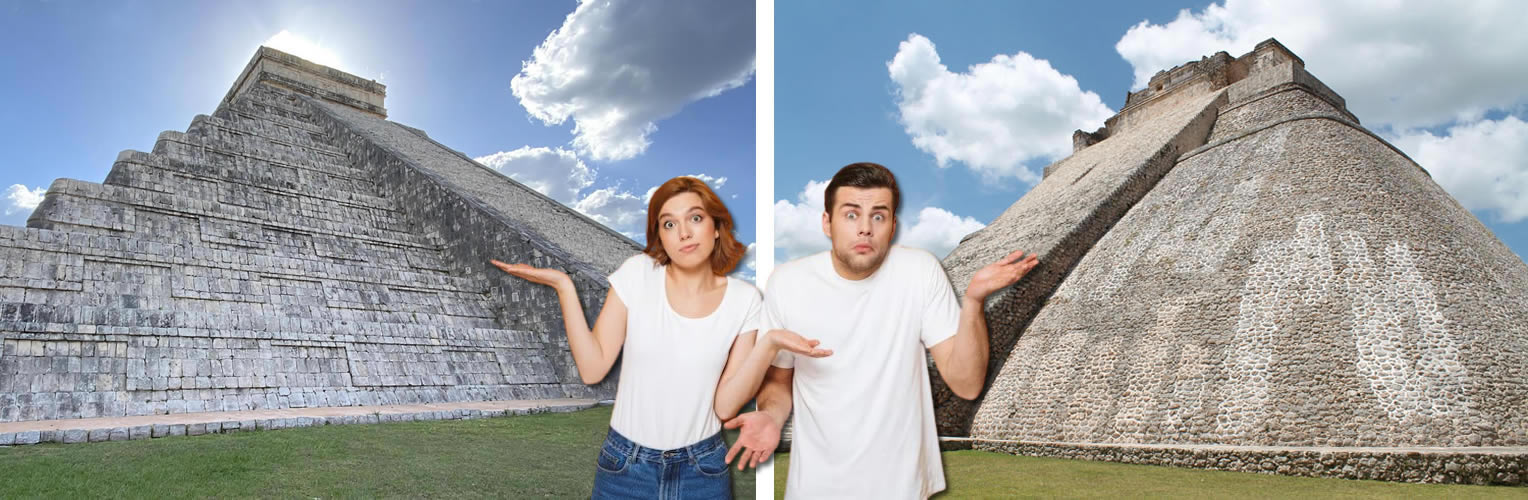
The majestic Pyramid of the Magician at Uxmal rising against a clear sky, juxtaposed with the iconic Kukulkan Pyramid at Chichén Itzá under golden sunlight, highlighting the architectural splendor of both Mayan sites.
Choosing between two jewels of Mayan heritage in Yucatán’s lush landscapes.

Unveiling the Mayan Mysteries of Yucatán

Standing amid the ancient stones of Yucatán you feel the pulse of a civilization that thrived over a millennium ago. Chichén Itzá and Uxmal two crown jewels of Mayan heritage beckon travelers with their towering pyramids intricate carvings and stories etched in stone. As you ponder which to visit first know that locals hold both in high regard each representing the ingenuity and spirituality of their ancestors. This choice boils down to what stirs your soul the grandeur of a world wonder or the serenity of a hidden gem.

Both sites flourished during the Classic and Post Classic periods drawing on the regions fertile lands and cenotes for sustenance. Yet they offer distinct experiences shaped by their histories and modern accessibility. Whether you seek the buzz of discovery amid crowds or a quiet communion with the past Yucatán invites you to explore with open hearts making locals proud to share these treasures.

In recent years as of November 2025 tourism has rebounded with Chichén Itzá seeing projections of 2.7 million visitors annually while Uxmal remains a calmer alternative. This guide draws from traveler insights and expert views to help you decide fostering a deeper appreciation for Mexicos rich indigenous legacy.

The Iconic Allure of Chichén Itzá

Chichén Itzá one of the New Seven Wonders of the World captivates with its sheer scale and historical significance. Founded around the fifth century it peaked between 600 and 1200 AD housing up to 50000 inhabitants. You will marvel at the Kukulkan Pyramid a 75 foot tall masterpiece where twice a year during equinoxes a serpents shadow descends the steps honoring the feathered serpent god. This spectacle draws thousands but even on ordinary days the acoustic wonders like clapping echoes in the ball court add magic.

The site sprawls over four square miles featuring the Great Ball Court the largest in Mesoamerica the Temple of the Warriors with its thousand columns and the Sacred Cenote a natural sinkhole used for rituals. Artifacts recovered from the cenote including gold and jade offerings speak to the Mayans devotion. As you wander you sense the blend of Mayan and Toltec influences in the architecture a testament to cultural exchanges.

Accessibility is a strong suit located about two hours from Cancún or Mérida you can arrive by bus tour or car with parking available. Entry costs around 481 pesos including taxes and a nightly light and sound show offers a dramatic retelling of legends. Locals celebrate this site as a symbol of their heritage proudly guiding you through its stories.

Yet the popularity brings challenges with crowds peaking between eleven in the morning and three in the afternoon especially on Sundays when entry is free for Mexicans. Vendors line the paths offering souvenirs which can feel intrusive but add to the lively atmosphere. If you crave prestige and iconic sights Chichén Itzá delivers an unforgettable punch.

The Serene Splendor of Uxmal

Uxmal a UNESCO World Heritage site since 1996 whispers tales of the Puuc style architecture with its ornate mosaics and depictions of the rain god Chaac. Thriving from 600 to 900 AD it supported 25000 people relying on rainwater cisterns in a region without rivers. You will be drawn to the Pyramid of the Magician a unique oval based structure rising 115 feet built in layers over centuries each temple atop the last.

The Nunnery Quadrangle a courtyard of palaces adorned with serpents birds and geometric patterns invites exploration while the Governors Palace showcases intricate friezes. Climb the Great Pyramid for panoramic views over the jungle a privilege not afforded at Chichén Itzá though note that some structures like the Pyramid of the Magician are restricted for preservation. Iguanas bask on the stones adding a touch of wildlife to your visit.

Reaching Uxmal is straightforward from Mérida about an hours drive or bus ride for around 65 pesos with entry at 413 pesos. Fewer visitors around 285000 in recent years mean a more intimate experience especially if you arrive early at eight in the morning or later in the afternoon. No vendors clutter the ruins allowing you to absorb the details in peace.

Locals cherish Uxmal for its purity and less commercial vibe often recommending it for those seeking depth over fame. The hilly terrain offers shaded spots and photo opportunities making it ideal for a relaxed pace. If tranquility and hands on exploration call to you Uxmal feels like a personal discovery.

Head to Head Comparison

When pitting Chichén Itzá against Uxmal the differences shine in crowds accessibility and vibe. Chichén Itzá bustles with energy drawing 2.7 million visitors in 2025 forecasts its vast layout and world wonder status creating a dynamic but sometimes overwhelming scene. Uxmal by contrast offers solitude with far fewer tourists letting you linger and climb select structures for a more immersive feel.

Cost wise Chichén Itzá edges higher at 481 pesos versus Uxmals 413 pesos but both provide value. Architecturally Chichén Itzá mixes styles with dramatic features like the ball court and cenote while Uxmals uniform Puuc design emphasizes detailed carvings and harmony with nature. From Cancún Chichén Itzá is closer for day trips but from Mérida Uxmal wins for convenience.

Traveler forums echo a preference for Uxmal among those tired of crowds calling it more enjoyable and authentic. Yet many insist Chichén Itzá is a must see at least once for its iconic pyramid and historical weight. Locals beam when you appreciate both seeing them as complementary pieces of their cultural mosaic.

Recent developments include preservation efforts limiting climbing at both sites though Uxmal still allows access to some pyramids as of 2025. Both benefit from early visits to beat the heat and tours for deeper insights. Ultimately the better choice aligns with your travel style crowd tolerant adventurers lean toward Chichén Itzá while serene seekers favor Uxmal.

Practical Tips for Your Mayan Adventure

To make the most of either site arrive early around opening at eight in the morning to enjoy cooler temperatures and thinner crowds. Wear comfortable shoes sunscreen and a hat as the sun beats down fiercely. Bring water though facilities offer refreshments and consider a guide to unlock the histories locals are eager to share their knowledge adding layers to your experience.

If basing in Mérida you can day trip to both Uxmal first for its proximity then Chichén Itzá. From the Riviera Maya Chichén Itzá pairs well with a cenote swim. Avoid Sundays at Chichén Itzá for free local entry spiking attendance. Respect the sites by staying on paths and not touching carvings preserving them for future generations.

Combine your visit with nearby attractions like cenotes or colonial towns for a fuller Yucatán immersion. Whether you choose one or both you will leave with a profound connection to the Mayans enduring legacy feeling invited into Mexicos heart.

Deciding Your Path Among the Ruins

So is it better to visit Chichén Itzá or Uxmal? It depends on you. If the thrill of a global icon and bustling energy excites opt for Chichén Itzá. For a peaceful profound encounter with intricate artistry choose Uxmal. Many travelers find joy in both contrasting the famous with the intimate. Locals encourage exploration knowing each site honors their ancestors inviting you to carry forward the stories. Whichever you select Yucatán promises memories that linger like the echoes in ancient stones.

As tourism evolves in 2025 with sustainable practices in focus your visit supports preservation efforts. Embrace the journey let the ruins speak and return home enriched by the magic of Mexico. Ready to go? Contact me here!