What is San Cristóbal de las Casas known for?

What is San Cristóbal de las Casas known for?

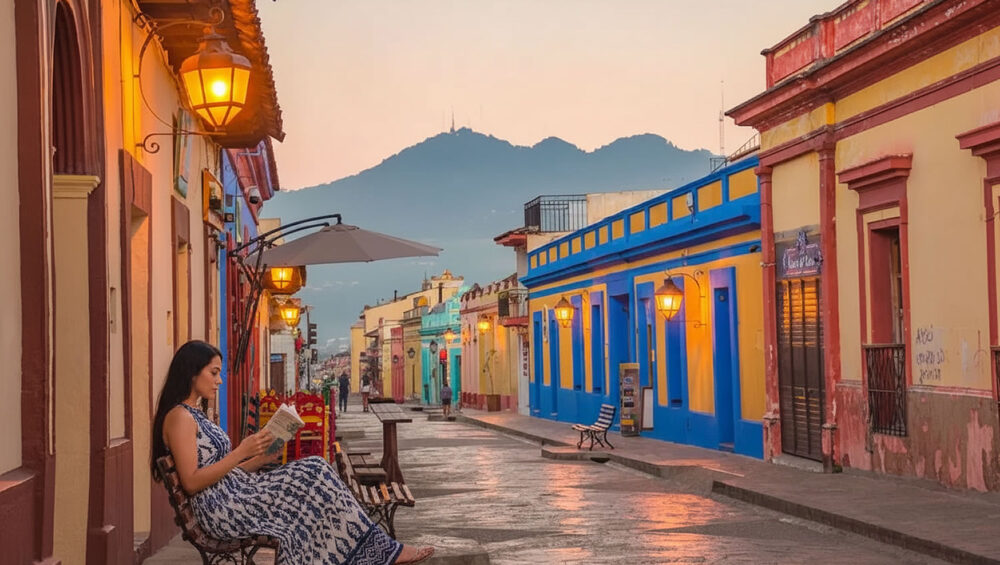
Cobblestone streets and colorful colonial architecture characterize the historic center of San Cristóbal de las Casas, Chiapas.
The city’s preservation of its colonial heart and its vibrant indigenous culture make it a celebrated destination in Chiapas.

An intersection of history and living culture

San Cristóbal de las Casas, located in the mountainous state of Chiapas, is celebrated primarily as a cultural epicenter where colonial Spanish heritage meets the deep traditions of the indigenous Maya peoples. Recognized as a Magical Town (Pueblo Mágico) since 2003, the city boasts a historical and architectural richness that captivates visitors. Its historic center, declared a UNESCO World Heritage Site in 1983, is a maze of charming cobblestone streets and brilliantly colored colonial houses that reflect its 16th-century foundation and enduring past.

Tourism in San Cristóbal is firmly rooted in this distinct blend of history, culture, and its vibrant indigenous population, particularly the Tzotzil and Tzeltal communities. The city sits within the ancestral lands of Maya groups, with settlement history dating back to the early Preclassic period around 1500 BC. Consequently, San Cristóbal acts as a crucial cultural hub, linking the ancient past of Mesoamerica with the contemporary life of the highlands.

Colonial grandeur and baroque masterpieces

The architectural identity of San Cristóbal de las Casas is defined by the monuments established during the colonial era, following the town’s foundation as “Villa Real de Chiapa” in 1528 by Spanish conquistador Diego de Mazariegos. Two landmarks stand out as prime examples of this heritage, dominating the city’s historic core: The Cathedral and the Templo and Ex-Convento de Santo Domingo de Guzmán.

The Cathedral, a bold and brightly colored Baroque structure dating back to the 1500s, serves as the main centerpiece of the city’s largest square, Plaza de la Paz. Nearby, the Templo de Santo Domingo de Guzmán presents an outstanding example of Baroque architecture with an elaborate, intricately carved filigree stucco work on its 17th-century facade. This ornate frontage even includes the double-headed Hapsburg eagle, a powerful symbol of the Spanish monarchy at the time. The church’s interior is similarly lavishly gilded, featuring an especially ornate pulpit that underscores the historical importance of the Dominican Order in the region.

The marketplace and the heart of indigenous trade

Beyond the stunning colonial architecture, San Cristóbal de las Casas is fundamentally known as a primary center for indigenous commerce, a tradition exemplified by the large open-air Santo Domingo Handicrafts Market. This market is situated adjacent to the Templo de Santo Domingo and functions as a critical economic intersection for the surrounding Maya communities, including the Tzotzil and Tzeltal peoples. Visitors often require ample time to explore the sheer volume and variety of crafts and goods traded there.

The Tzotzil and Tzeltal communities maintain a deep cultural connection to their traditions, which are evident in the commercial activities of the market, where they trade everything from surplus food to specialized crafts. The city holds immense historical significance for these groups, having hosted the first Indigenous Congress in 1974, where delegates representing 300 communities and various linguistic populations, including the Choles and Tojolabales, united to express shared plights over land, commerce, education, and health.

An epicenter for traditional Maya arts

San Cristóbal is globally recognized as a showcase for two distinct and culturally vital art forms: textiles and amber. The Centro de Textiles del Mundo Maya serves as a focal point for this legacy, housed in a stunning former convent, where it showcases thousands of traditional Mayan textiles from both Mexico and Guatemala. This museum highlights the immense cultural knowledge embedded in the textiles, allowing visitors to decode the weaving designs unique to each woman and village, thereby connecting directly with the region’s living heritage.

In addition to weaving, the city is famous for its Amber Museum (Museo del Ámbar), where the fossilized tree resin, often found in Chiapas, is displayed and sold in various artistic forms. These museums and markets together solidify San Cristóbal’s reputation as the destination for understanding and acquiring the exquisite, historically significant artisanal goods of the Southern Mexican highlands. Through both trade and exhibition, the city upholds the complex artisanal economy that sustains its surrounding Maya communities.

A living history and cultural heart

Ultimately, San Cristóbal de las Casas is known for the profound authenticity generated by the coexistence of its diverse cultural layers—the deep pre-Hispanic roots, the preserved colonial architecture, and the resilient indigenous population. As one of Mexico’s most picturesque and charming colonial cities, it offers a fascinating journey that allows visitors to immerse themselves in the rich history and traditions of Chiapas. Its blend of history, architecture, and the powerful presence of Maya culture ensures its standing as a major cultural destination in the Mesoamerican world. So come and let Gmex take you on the adventure of a lifetime. Contact us here.
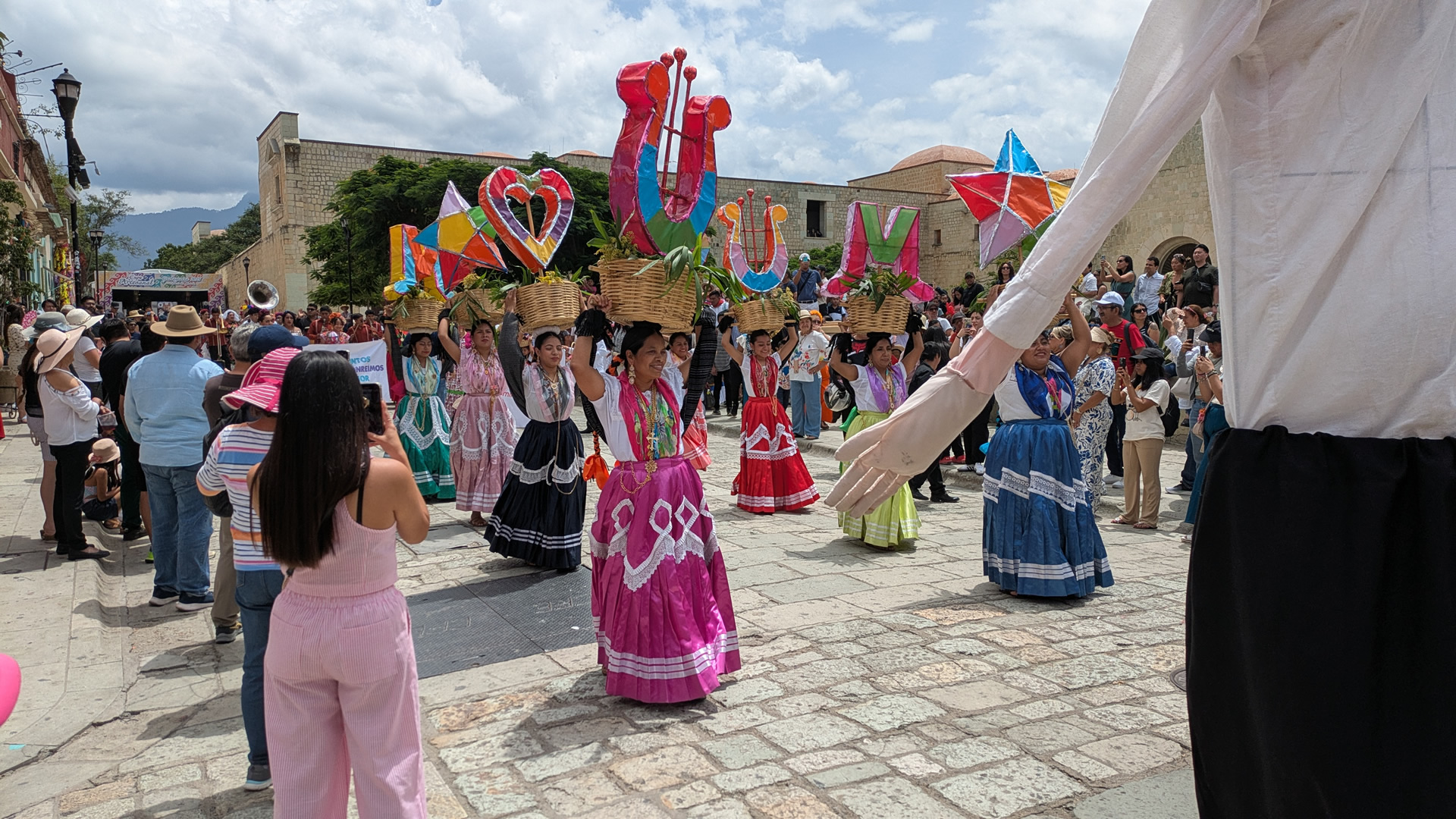
When is the best time to visit Oaxaca?

When is the best time to visit Oaxaca?

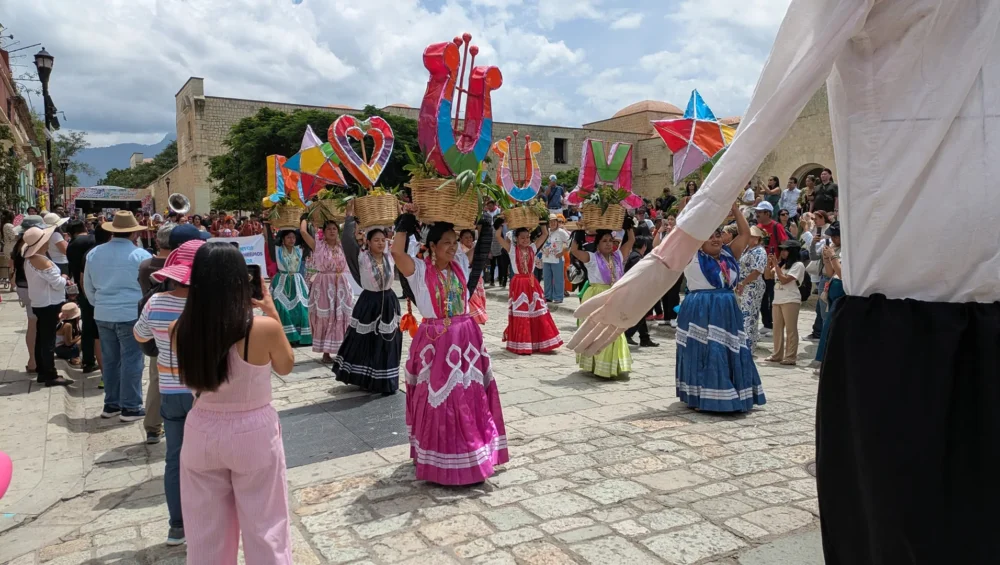
A colorful street in Oaxaca City during a festival, with dancers in traditional attire under a clear blue sky, surrounded by colonial architecture and vibrant markets.
A colorful street in Oaxaca City during a festival, with dancers in traditional attire.

Unveiling the Seasons of Oaxaca

Oaxaca beckons with its rich tapestry of indigenous cultures, stunning landscapes, and mouthwatering cuisine, but choosing when to visit can make all the difference in your experience. The state’s diverse geography, from misty mountains to sun-kissed beaches, means weather plays a starring role. You will find that the best time hinges on what you seek, whether it is dry, comfortable days for hiking ancient ruins or the electric energy of traditional festivals.

Generally, the dry season from October to April offers the most reliable weather, with cooler temperatures and clear skies perfect for exploring. If you crave a balance of mild weather and fewer crowds, consider the shoulder months. Locals cherish sharing their homeland year-round, and you will feel that warm invitation no matter when you arrive, as Oaxaca’s spirit shines through every season.

As you plan, think about your priorities, be it cultural immersion, outdoor adventures, or simply relaxing on the coast. Oaxaca’s climate varies by region, with the valleys milder than the highlands, but overall, it is a destination that rewards those who align their visit with its natural rhythms.

The Dry Season: October to April

From October to April, Oaxaca transforms into a traveler’s paradise with dry weather and pleasant temperatures averaging 70 to 80 degrees Fahrenheit in the day, cooling off at night. This period is ideal for wandering the cobblestone streets of Oaxaca City, visiting archaeological sites like Monte Albán, or lounging on the beaches of Puerto Escondido without the threat of afternoon showers.

You will appreciate the clarity of the skies for stargazing in the Sierra Norte or hiking to Hierve el Agua’s petrified waterfalls. November brings the mesmerizing Día de los Muertos celebrations, where altars bloom with marigolds and communities honor their ancestors, making you feel part of a profound tradition. December and January offer holiday magic with the Night of the Radishes on December 23, a whimsical event where artisans carve intricate scenes from oversized radishes.

As winter fades into spring, February to April sees wildflowers blooming and fewer tourists, allowing for more intimate experiences. Locals take pride in this season’s vibrancy, inviting you to join in markets buzzing with fresh produce and handmade crafts. If you visit during Holy Week in late March or early April, you will witness processions that blend indigenous and Catholic rituals, a testament to Oaxaca’s layered history.

Keep in mind that coastal areas like Huatulco remain balmy, with ocean waters inviting for snorkeling. This season’s predictability makes it a favorite for families and first-timers, ensuring your adventures unfold smoothly.

Shoulder Seasons: April to May and September to October

For those seeking a sweet spot between weather and affordability, the shoulder seasons of April to May and September to October deliver moderate temperatures around 75 degrees and occasional rains that keep the landscapes lush. These months offer a quieter Oaxaca, where you can snag better deals on accommodations and enjoy sites without the high-season hustle.

In April and May, the tail end of dry season lingers, perfect for exploring before the rains fully arrive. You might catch the tail of Easter festivities or dive into mezcal tastings amid blooming jacarandas. September and October bring the onset of drier days after the peak rains, with the added bonus of lower humidity on the coast.

These periods are excellent for cultural enthusiasts, as you can attend events like the Independence Day celebrations on September 16, filled with fireworks and traditional cries of freedom. Locals appreciate visitors during these times, as it supports the economy year-round, and you will find guides more available for personalized tours of weaving villages or chocolate factories.

Be prepared for sporadic showers, but they often pass quickly, leaving refreshed air and vibrant greens. This balance makes shoulder seasons ideal for photographers capturing Oaxaca’s dramatic scenery.

The Rainy Season: May to September

May to September marks Oaxaca’s rainy season, with afternoon downpours nourishing the earth and creating a verdant backdrop. Temperatures hover in the 80s, with higher humidity, but mornings are typically clear, giving you ample time for activities before the clouds gather.

While some might shy away, this time offers unique charms, like fewer crowds at popular spots and lower prices. You can hike through misty cloud forests or surf world-class waves in Puerto Escondido, where the rains bring bigger swells. Inland, the valleys turn emerald, enhancing visits to artisan communities.

July stands out with the Guelaguetza festival on July 21 and 28 in 2025, a spectacular showcase of indigenous dances and music on the Cerro del Fortín hill. Despite potential rain, the energy is infectious, and locals beam with pride as they share their heritage. August brings mushroom festivals in the Sierra, where foragers lead tours to discover edible treasures.

If you are adventurous, embrace the season’s rhythm, packing a light rain jacket and enjoying indoor pursuits like cooking classes during showers. The rains also mean fuller waterfalls and rivers, ideal for eco-tours.

Festival Highlights Throughout the Year

Oaxaca’s calendar bursts with festivals that highlight its indigenous roots and colonial influences, making any visit memorable. Plan around these to dive deeper into the culture. Día de los Muertos from October 31 to November 2 draws global visitors with candlelit cemeteries and elaborate altars, a time when families welcome spirits home.

The Guelaguetza in July celebrates Oaxaca’s eight regions through dance, music, and crafts, a UNESCO-recognized event that fosters unity. December’s Night of the Radishes on the 23rd features creative carvings in the zócalo, followed by Christmas posadas and piñatas.

In January, the Fiesta Grande de Enero honors patron saints with processions and fairs. Holy Week in April brings solemn reenactments, while September’s Independence celebrations light up the night. For 2025, look out for the Oaxaca 2025 Gathering, blending wellness and culture.

These events not only entertain but connect you to the community’s heart, where traditions thrive and evolve.

Practical Considerations: Crowds, Costs, and Weather

High season from November to April sees peak crowds and prices, especially during holidays, so book early for flights and hotels. Shoulder seasons offer savings and space, while rainy months provide the best bargains but require flexibility with weather.

Coastal areas like Mazunte stay warmer year-round, but watch for hurricane season from June to November. Always check forecasts, and consider altitude, as highlands can be chilly even in summer. You will find that packing layers ensures comfort across regions.

Sustainability matters; visit during off-peak to ease pressure on resources. Locals encourage respectful tourism, and your choices support their livelihoods.

Recent Developments and Tips for 2025

As of 2025, Oaxaca’s coast is emerging as a breakout region, with new eco-resorts and community-led tours emphasizing conservation. The dry season remains prime for these areas, with calmer seas from November to April.

For festivals, Guelaguetza tickets go on sale early, so plan ahead. New events like mushroom festivals in August highlight seasonal bounty. If traveling in summer, opt for early mornings to beat the heat and rains.

Stay hydrated, use sun protection, and embrace spontaneity. Whether you come for the festivals or the serenity, Oaxaca will leave you inspired and eager to return.

What are the top 10 attractions in Chiapas?

What are the top 10 attractions in Chiapas?

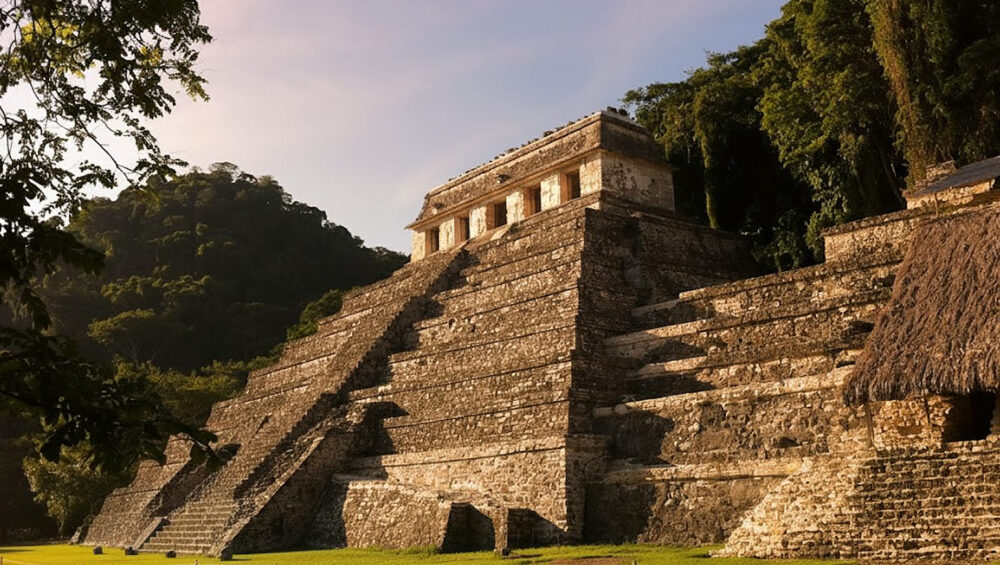
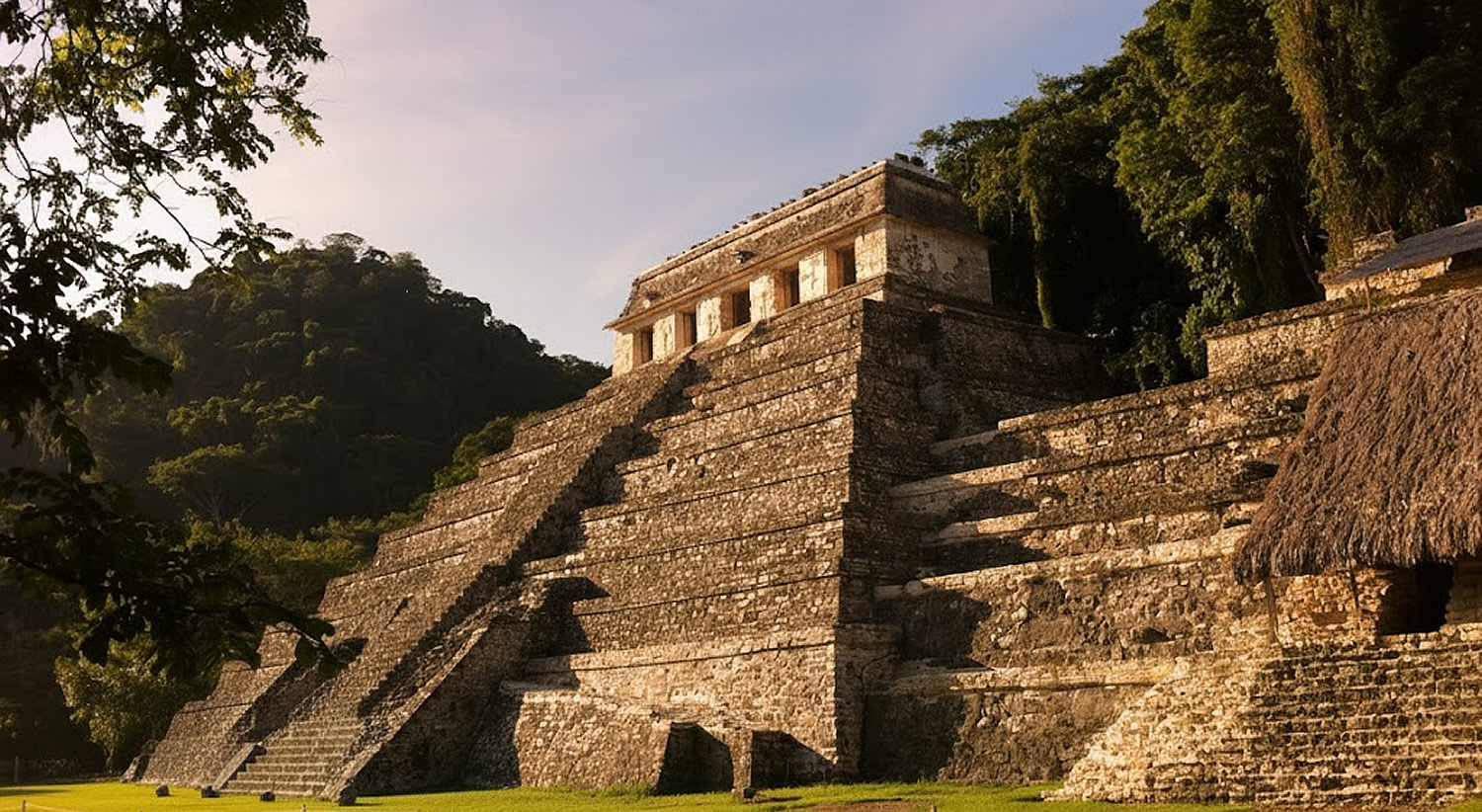
Lush jungle ruins of Palenque archaeological site in Chiapas, Mexico, surrounded by misty highlands and waterfalls.
Palenque ruins enveloped in Chiapas’ verdant jungle, echoing ancient Mayan legacy.

Nestled in the southern reaches of Mexico, Chiapas shares a profound cultural thread with neighboring Oaxaca, where ancient Zapotec and Mixtec influences at Monte Albán mirror the Mayan mysteries of this border state. Here, profound mystery and natural splendor unfold, with ancient Mayan civilizations leaving their indelible mark amid lush jungles, cascading waterfalls, and vibrant indigenous communities. This state, bordering Guatemala, offers a tapestry of cultural heritage, archaeological wonders, and breathtaking landscapes that invite travelers to explore with respect and curiosity. Unlike the sun-drenched beaches of the Yucatán, Chiapas captivates with its misty highlands, river canyons, and sacred sites that echo stories of cosmic alignments and spiritual rituals, much like the astronomical observatories of Monte Albán. Whether you are drawn to the echoes of history or the raw power of nature, these top attractions define this enchanting region, curated for the mindful explorer seeking depth and immersion, perhaps after a journey through Oaxaca’s own timeless sites.

1. Palenque Archaeological Site

Step into the heart of the ancient Mayan world at Palenque, a UNESCO World Heritage site shrouded in dense rainforest. This former city-state, thriving between 226 BC and 799 AD, features intricately carved temples and palaces that reveal tales of royal dynasties and celestial observations, reminiscent of the carved stelae at Monte Albán. Marvel at the Temple of the Inscriptions, where the tomb of King Pakal was discovered, complete with a jade mask and elaborate sarcophagus lid depicting his journey to the underworld. As you wander the plazas and pyramids, feel the humidity of the jungle and hear the calls of howler monkeys, immersing yourself in a place where architecture harmonizes with nature. For those familiar with Oaxaca’s hilltop citadel, Palenque offers a deeper dive into lowland Mayan grandeur, connecting southern Mexico’s shared indigenous narratives.

2. Cañón del Sumidero National Park

Embark on a dramatic boat journey through the Sumidero Canyon, where sheer cliffs rise up to 1,000 meters above the Grijalva River, carving a path through landscapes that parallel the dramatic gorges near Oaxaca’s Sierra Norte. Formed over millions of years by tectonic forces and erosion, this natural wonder is home to diverse wildlife, including crocodiles basking on the shores and spider monkeys swinging through the canopy. Spot the Christmas Tree waterfall, a seasonal cascade adorned with moss, and reflect on the canyon’s cultural significance to the indigenous Zoque people, whose traditions echo the resilience of Oaxaca’s indigenous groups. A two-hour boat tour from Chiapa de Corzo offers panoramic views that evoke a sense of awe, reminding visitors of nature’s raw power and beauty. This excursion provides a serene contrast to Monte Albán’s structured stonework, highlighting Chiapas’ untamed vitality.

3. San Cristóbal de las Casas

This colonial highland town, perched at 2,200 meters, blends Spanish architecture with indigenous Tzotzil and Tzeltal traditions, much like the fusion seen in Oaxaca’s colonial churches and markets. Wander its cobblestone streets lined with colorful houses, baroque churches like the Santo Domingo Cathedral, and bustling markets where artisans sell intricate textiles and amber jewelry, evoking the huipil weavings of Oaxaca’s valleys. Climb to the Guadalupe Church for sweeping views, or visit the Na Bolom Museum, dedicated to preserving Maya Lacandón culture. San Cristóbal’s vibrant atmosphere, cool climate, and coffee plantations make it an ideal base for cultural immersion, where history and modernity coexist in harmonious dialogue. Travelers from Monte Albán will appreciate how this town serves as a living museum, bridging ancient rituals with contemporary life.

4. Cascadas de Agua Azul

Experience the turquoise magic of Agua Azul Waterfalls, a series of cascading pools fed by the Xanil River, where mineral-rich waters create vivid blue hues against lush greenery, similar to the crystalline streams in Oaxaca’s coffee regions. This protected area allows for swimming in designated spots, picnicking amid butterflies, and hiking trails that reveal hidden viewpoints. Best visited during the dry season from November to May when the colors are most intense, Agua Azul embodies Chiapas’ hydrological wonders and serves as a refreshing escape into nature’s palette. For eco-conscious visitors inspired by Monte Albán’s sustainable heritage, these falls offer a gentle reminder of the importance of preserving water sources in indigenous lands. The site’s tranquility invites quiet contemplation, much like the reflective spaces atop Oaxaca’s ancient pyramids.

5. Lagunas de Montebello National Park

Discover a surreal landscape of over 50 lakes, each with unique shades ranging from emerald to sapphire, set against pine forests and karst formations, a natural spectacle that complements the geological wonders around Monte Albán. This UNESCO Biosphere Reserve, shared with Guatemala, offers boating, hiking, and cave explorations like the Arco del Tiempo, the world’s tallest natural arch. The lakes’ colors stem from mineral deposits and sunlight refraction, creating a dreamlike setting for reflection and photography. Respect the area’s ecological fragility by sticking to marked paths and supporting local guides, practices that align with Oaxaca’s community-led conservation efforts. This park’s ethereal beauty provides a peaceful interlude, fostering a deeper connection to the land’s ancient spirits.

6. Cascadas El Chiflón

Hike through verdant trails to witness the tiered waterfalls of El Chiflón, culminating in the 120-meter Velo de Novia cascade, a veil of water that rivals the dramatic drops in Oaxaca’s Hierve el Agua petrified falls. Swim in the natural pools, zip-line across the river, or simply absorb the mist and rainbows. This site highlights Chiapas’ abundant water features and provides opportunities for adventure while promoting sustainable tourism through community-managed facilities. Adventurers from Monte Albán’s trails will find here a thrilling extension of exploration, blending physical challenge with cultural respect. The falls’ rhythmic flow encourages a sense of renewal, inviting visitors to recharge amid nature’s symphony.

7. Misol-Ha Waterfall

Plunge into the serenity of Misol-Ha, a 35-meter single-drop waterfall surrounded by tropical foliage, where you can walk behind the curtain of water into a hidden cave, an experience akin to discovering secret chambers in Oaxaca’s ancient tombs. Featured in films like Predator, this spot offers swimming and a short trail, encapsulating the raw, untamed essence of Chiapas’ jungles. The cascade’s gentle roar provides a meditative backdrop, perfect for those seeking solitude after the bustling energy of Monte Albán. Local lore ties the falls to Mayan spirits, enriching the visit with stories that parallel Oaxaca’s mythological tapestries. It stands as a testament to the region’s enduring natural poetry.

8. Bonampak Archaeological Site

Uncover the vivid murals of Bonampak, depicting Mayan rituals, battles, and ceremonies in striking reds and blues preserved for over 1,200 years, their artistry comparable to the painted codices of Oaxaca’s Mixtec heritage. Accessible by jungle road, this site offers a rare glimpse into ancient artistry and social hierarchies, with guided tours emphasizing the cultural context of bloodletting and divine kingship. The murals’ intensity transports visitors back to a world of vibrant ceremonies, much like the ritual spaces at Monte Albán. For history enthusiasts, Bonampak reveals the interconnected artistry of Mesoamerica’s civilizations. Its remote setting amplifies the thrill of discovery, rewarding patient explorers.

9. Yaxchilan Archaeological Site

Reachable only by boat along the Usumacinta River, Yaxchilan features labyrinthine structures, stelae, and lintels narrating royal conquests, evoking the carved narratives on Oaxaca’s Monte Albán platforms. The site’s isolation enhances its mystique, with howler monkeys and river sounds amplifying the sense of discovery in this borderland ruin. Exploring its shaded courtyards feels like stepping into a forgotten chapter of Mayan history, parallel to uncovering Zapotec secrets in Oaxaca. Guided river trips ensure safe access, blending adventure with education. Yaxchilan’s riverside perch underscores the vital role of waterways in ancient trade and culture.

10. Chiapa de Corzo

Explore this Pueblo Mágico, one of Mexico’s oldest settlements, known for its Moorish-style fountain, colonial churches, and the ruins of the first Spanish city in Chiapas, a colonial echo of Oaxaca’s Antigua’s architectural charm. It is the gateway to Sumidero Canyon and hosts vibrant festivals like the Parachico dance, blending pre-Hispanic and colonial traditions in ways that resonate with Oaxaca’s Guelaguetza celebrations. Stroll its plazas to savor tamales and atole, connecting with the everyday rhythms of Chiapan life. For Monte Albán visitors, Chiapa de Corzo offers a flavorful introduction to southern Mexico’s hybrid heritage. Its welcoming spirit makes it a delightful stopover.

Essential Travel Insights for Chiapas

To honor Chiapas’ sacred spaces and communities, travel responsibly: Engage local indigenous guides for authentic perspectives, pack eco-friendly essentials, and respect photography restrictions in villages, principles that extend the stewardship seen at Monte Albán. The region’s tropical climate calls for insect repellent and layered clothing, preparing you for highs and misty mornings. For deeper exploration, consider multi-day tours combining ruins and nature, always prioritizing safety on winding roads. Chiapas rewards those who approach with wonder, revealing layers of history and beauty that linger long after your visit, much like the timeless allure of Oaxaca’s ancient sites. As you journey from Monte Albán’s heights to Chiapas’ depths, you weave a richer tapestry of Mexico’s indigenous soul.

Can You Swim with Whale Sharks Near Isla Mujeres?

Can You Swim with Whale Sharks Near Isla Mujeres?

A snorkeler swimming beside a whale shark in crystal-clear waters near Isla Mujeres
Swimming with a whale shark off the coast of Isla Mujeres — a seasonal natural wonder.

Yes — and It’s One of Mexico’s Most Magical Wildlife Encounters

Each summer, the warm Caribbean waters north of Isla Mujeres become a gathering spot for the world’s largest fish: the gentle, plankton-eating whale shark. These giants — often 6 to 10 meters long — migrate here between mid-May and mid-September to feed. The area just off the Yucatán Peninsula sees one of the highest concentrations globally, making Isla Mujeres a prime departure point for sustainable whale shark tours.

When Is the Best Time to Go?

The peak of the whale shark season is typically June through August, when daily sightings are most reliable. Many tour operators start offering excursions in late May and continue through early September. July often brings the largest numbers, with calm seas and warm waters enhancing visibility. If you’re looking for the most consistent experience, aim for late June to early August. Avoid booking at the very beginning or end of the season, as sightings may be less frequent.

What Does a Typical Tour Include?

Most whale shark tours near Isla Mujeres depart early morning from the island or from nearby Cancun or Puerto Juárez. The boat ride to the shark feeding area can take 45 to 90 minutes, depending on weather. Once a shark is spotted, swimmers (usually in pairs) take turns jumping in with a guide. Snorkeling gear, life vests, and wetsuits are generally included, along with light snacks and lunch on board. Tours often include a bonus snorkeling stop at Playa Norte or Isla Contoy on the return.

General Pricing (and What’s Expected for 2026)

In 2025, prices for whale shark tours range between $125–$165 USD per person. The price usually reflects boat size, group size (private vs. shared), and amenities offered. Budget-conscious travelers can find reputable group tours starting at $130, while premium small-group excursions with upgraded meals and bilingual naturalist guides may reach $180. For 2026, modest increases are expected across the board, with average tours likely settling between $140–$190 USD due to rising fuel and permit costs. Booking early is advised — July weekends can fill up fast, especially around holidays.

Tips from Fellow Travelers

Frequent snorkelers and wildlife lovers on forums like TripAdvisor and Reddit recommend bringing your own mask if you’re picky about fit and comfort. Motion sickness is a common concern — seas can be choppy, and there’s a lot of waiting and drifting. If you’re prone, take Dramamine before boarding. Some tours advertise “guaranteed sightings,” but nature is unpredictable — while success rates are very high in peak season, no ethical operator can promise 100% encounters.

Reviewers consistently mention the thrill of swimming alongside these massive yet calm creatures. As one traveler put it, “It was a dream come true — worth every penny and every early morning.” Another notes, “They’re so gentle, it’s like gliding next to a slow-moving school bus.” Respectful distance is required, and touching the sharks is strictly forbidden by regulation — a rule every reputable tour enforces.

Is It Safe and Ethical?

Yes — when done with licensed, responsible tour operators. Mexican authorities regulate whale shark tourism with permits, guidelines on swimmer behavior, and a maximum number of boats per day. Operators must remain 10 meters from each other and ensure participants don’t touch or harass the animals. Many tours in Isla Mujeres collaborate with conservation groups to monitor shark health and educate visitors. Look for guides that emphasize environmental respect and who avoid overcrowding.

The Gmex Take: Why This Experience Is Worth It

Swimming with whale sharks is a once-in-a-lifetime thrill that connects you with the rhythms of the ocean. At Gmex Experience, we always encourage our community to explore Mexico beyond the beach — and this is one of the most powerful, humbling ways to do it. The experience is emotional and awe-inspiring, and it supports local eco-tourism jobs. Pairing this adventure with a relaxed day on Isla Mujeres makes for the perfect balance of adrenaline and serenity. If you’ve ever dreamed of snorkeling beside a marine giant, this is the moment. Book early, swim respectfully, and soak it all in.